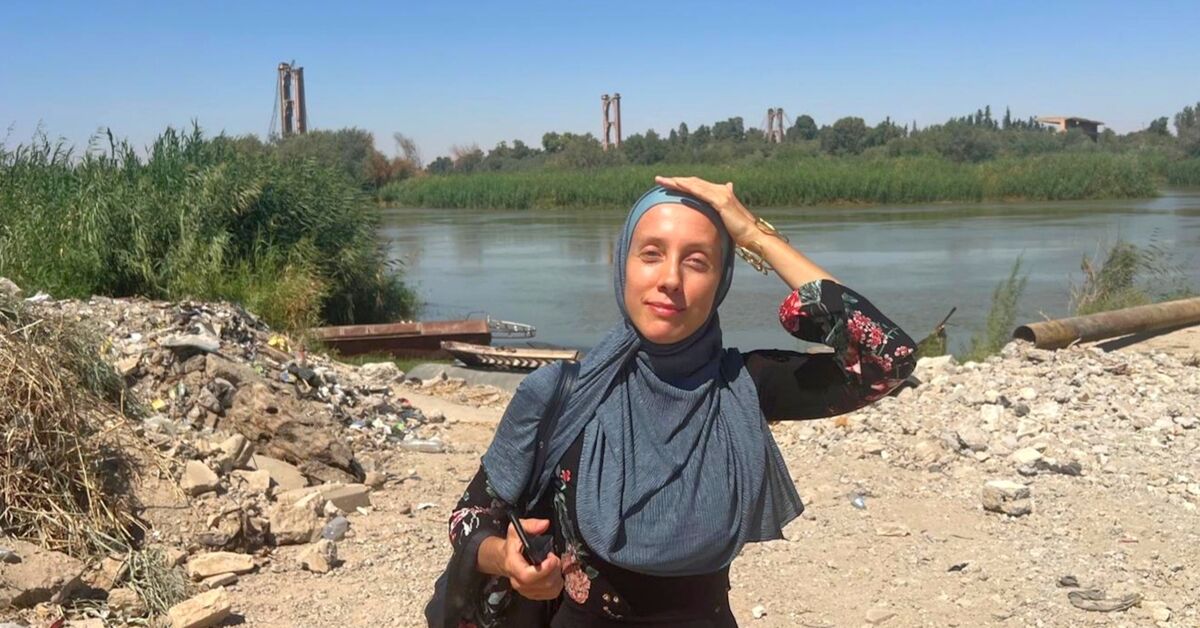
Hezbollah Brigades, the Iranian-backed armed group, has announced that it will release American journalist Shelley Kittleson, who was held for a week. This announcement comes at a sensitive time as concerns grow regarding the safety of journalists in conflict zones.
Despite Hezbollah Brigades' announcement, the news of Kittleson's release has not been confirmed by any independent entity, raising questions about her actual fate. The journalist was working in Iraq, covering political and security events in the country, making her a potential target for armed groups.
Details of the Incident
Kittleson was detained under mysterious circumstances, with no precise details disclosed regarding her location or the conditions she faced. Hezbollah Brigades, considered one of the main factions in Iraq, announced the decision to release her in an official statement, but no additional details were provided.
This incident is part of the ongoing tensions in Iraq, where journalists face significant challenges in performing their duties. The country has seen a rise in attacks on journalists in recent years, heightening concerns about freedom of expression.
Background & Context
Historically, Iraq has witnessed numerous violations against journalists, especially amid armed conflicts. Since the American invasion of Iraq in 2003, journalists in the country have been vulnerable to detention and assault by armed groups. Hezbollah Brigades, established in 2003, is one of the most influential factions in Iraq and plays a significant role in the political and security landscape.
It is noteworthy that Kittleson is not the only journalist to have faced detention in Iraq, as many local and international journalists have been held in recent years. These incidents reflect the substantial challenges that the media faces in conflict zones.
Impact & Consequences
If Kittleson's release is confirmed, it could have a positive impact on the status of journalists in Iraq. This decision may encourage more journalists to work in the country, contributing to the enhancement of freedom of expression. However, concerns remain regarding the safety of journalists under the current circumstances.
Moreover, Kittleson's release could improve relations between the United States and Iraq, especially amid the political tensions between the two countries. This could influence U.S. foreign policy towards Iraq, potentially contributing to an improved security situation in the country.
Regional Significance
This incident exemplifies the challenges faced by journalists in the Arab world, where violations against press freedom are on the rise. In many Arab countries, journalists face significant pressure from governments and armed groups, hindering their ability to provide accurate information.
If Kittleson is released, it could serve as a positive message for journalists in the region, encouraging them to continue their work in covering important events. At the same time, international and local efforts to protect journalists and ensure their safety must continue.