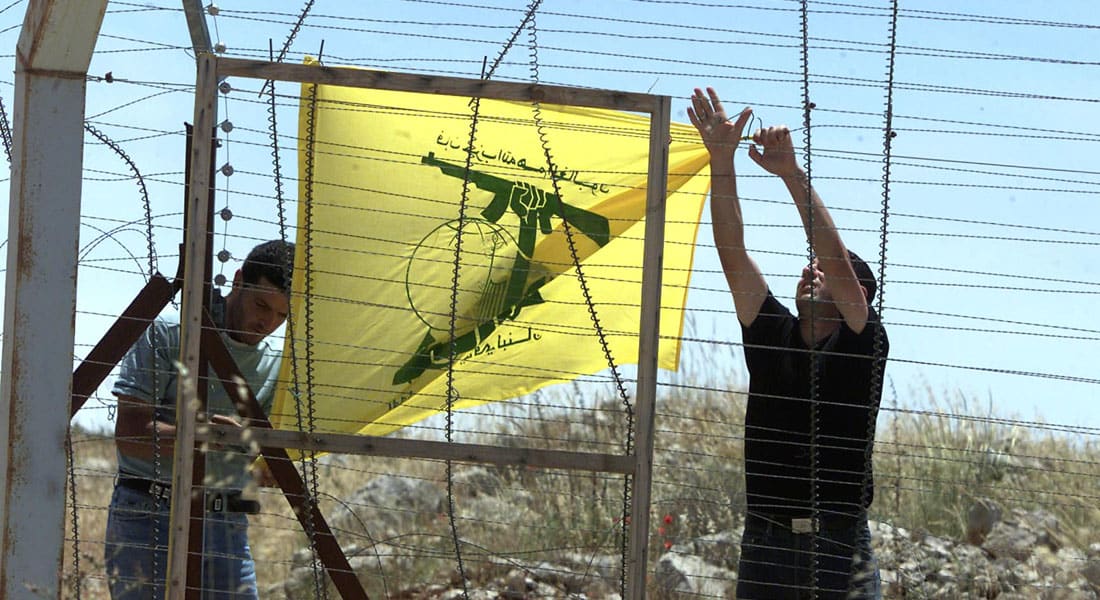
Hezbollah, the Lebanese militant group, announced a clash with Israeli forces in the Khyam area, resulting in confirmed injuries among the Israeli troops. This escalation occurs at a sensitive time, as tensions along the Lebanese-Israeli border continue to rise, raising concerns about a larger conflict in the region.
The clash, which took place late yesterday, follows a series of recurring incidents along the border, where provocations have increased from both sides. Hezbollah confirmed through an official statement that the clash was a response to repeated Israeli violations of Lebanese sovereignty, emphasizing that the resistance will continue to confront any aggression.
Details of the Incident
According to local sources, the clash occurred in the Khyam area, which is considered a historical flashpoint between Lebanon and Israel. The Israeli forces used heavy weaponry during the clash, leading to injuries among their ranks. In contrast, Hezbollah did not report any casualties among its fighters, reflecting its strategy of maintaining secrecy regarding its losses.
This clash comes just days after warnings issued by Hezbollah officials that any aggression against Lebanese territory would have severe consequences. The group indicated that it is closely monitoring Israeli movements along the border and is prepared to respond should any escalation occur.
Background & Context
Historically, the Lebanese-Israeli border has been a site of ongoing tensions, especially following the 2006 war that caused widespread destruction in Lebanon. Since then, Hezbollah has maintained its military capabilities and has become a significant force in the region, making it a constant target for Israeli military operations. Recent years have seen several incidents, including repeated airstrikes by Israel against targets believed to be affiliated with Hezbollah.
In recent years, fears of a broader military escalation in the region have increased, particularly amid political tensions in Lebanon and rising Israeli military activities. Additionally, the situation in neighboring Syria, where Hezbollah is present, adds further complexity to the security landscape in the area.
Impact & Consequences
These clashes could lead to a greater escalation in the conflict between Lebanon and Israel, threatening the stability of the region. Should the clashes continue, international powers may intervene for mediation, but history shows that such interventions are often ineffective. Furthermore, the escalation could impact the economic situation in Lebanon, which is already suffering from multiple crises.
The effects of this clash may extend to neighboring countries, potentially increasing tensions in other areas such as Syria and Palestine. International reactions to these events will be closely watched, as major powers seek to maintain stability in the region.
Regional Significance
This clash reflects the prevailing instability in the Arab region, where armed conflicts are escalating and tensions between countries are rising. Events in Lebanon could affect relations between Arab states, particularly those with ties to Israel. Under these circumstances, it becomes essential for Arab countries to adopt policies that promote stability and reduce escalation.
In conclusion, the situation along the Lebanese-Israeli border remains tense, with the potential for further escalation in the coming days. The international community must closely monitor these developments and work to prevent any escalation that could lead to a larger conflict in the region.