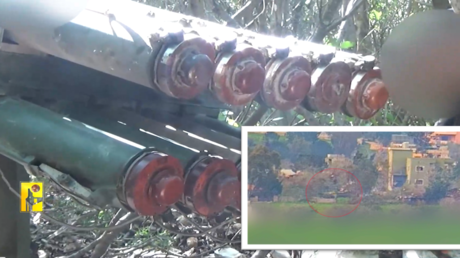
On Sunday, Hezbollah executed more than 74 military operations against the Israeli army, utilizing a range of advanced weapons, including rockets, drones, and artillery shells. The group indicated that these operations are part of its defense of Lebanon and its people, amid increasing tensions along the border between Lebanon and Israel.
The operations carried out by the group included direct attacks on Israeli military positions, pre-prepared ambushes, and the use of explosive devices. Reports indicate that these operations resulted in injuries among Israeli forces, reflecting a notable escalation in Hezbollah's military activities.
Details of the Operations
On Sunday, Hezbollah announced the execution of 74 military operations, a figure considered high compared to previous operations. The group employed modern techniques in its attacks, including drones that allow for precise targeting of distant sites. Artillery shells were also used to bombard Israeli positions, demonstrating the diversity of weapons at the group's disposal.
These operations come at a sensitive time, as the Lebanese-Israeli border experiences heightened tensions, especially following hostile statements from both sides. Hezbollah indicated that these operations are a response to Israeli provocations and that it is prepared to confront any escalation that may occur in the future.
Background & Context
Historically, Hezbollah is one of the most prominent armed factions in Lebanon and has played a pivotal role in the conflict with Israel since its establishment in the 1980s. Relations between the two sides have seen repeated escalations, particularly after the 2006 war, which resulted in widespread destruction in Lebanon. Since then, Hezbollah has sought to enhance its military capabilities to counter any potential threats from Israel.
In recent years, Hezbollah's military activities have increased, particularly with the rise of regional tensions. Reports have indicated that the group has received military support from Iran, bolstering its capabilities against Israeli forces. As events unfold, the situation along the Lebanese-Israeli border remains tense, raising concerns about the outbreak of a new conflict.
Impact & Consequences
Hezbollah's military operations against Israel serve as a strong message from the group, reflecting its readiness to defend Lebanon against any aggression. These operations could lead to a greater escalation in the region, as Israel may respond militarily, further intensifying tensions.
The repercussions of these operations extend beyond Lebanese borders, potentially affecting regional stability as a whole. If events escalate, regional and international powers may intervene, complicating the situation further. Therefore, monitoring reactions from both sides will be crucial in determining the course of future events.
Regional Significance
The events along the Lebanese-Israeli border hold significant importance for the Arab region. The conflict between Hezbollah and Israel not only impacts Lebanon but also extends its influence to neighboring countries such as Syria and Palestine. Additionally, military escalation could affect relations between Arab states and Israel, especially in light of normalization attempts by some countries.
In conclusion, events in the region remain under scrutiny as everyone looks to see how the situation will evolve. The military escalation between Hezbollah and Israel could open new avenues for conflict, necessitating clear positions from Arab states to protect their interests and security.