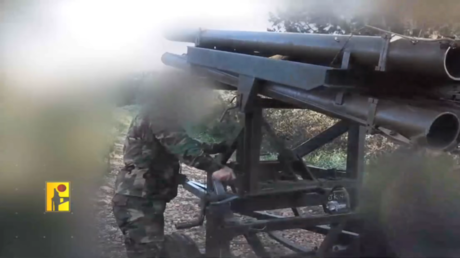
On Saturday, Hezbollah targeted northern Israel with rockets, causing direct damage to buildings in the city of Safed. This attack reflects ongoing tensions between the two sides amid escalating regional conflict.
This assault comes at a sensitive time, as the region is experiencing increasing tensions, raising concerns about the potential for further escalation in the conflict. The attacks resulted in power outages in the city of Haifa, exacerbating the situation in the area.
Details of the Incident
Hezbollah announced through its affiliated media that it launched rockets at targets in northern Israel, indicating that the attack targeted both military and civilian sites. Images circulated on social media showed significant damage to the targeted buildings, heightening fears about the repercussions of this escalation.
Reports also indicated that Israeli air defenses intercepted some of the rockets, but the attacks still underscore Hezbollah's capability to conduct military operations across the border. These incidents occur within the context of the ongoing conflict between Hezbollah and Israel, which has seen a notable escalation in recent months.
Background & Context
Historically, the conflict between Hezbollah and Israel has experienced increasing tensions for decades, with Hezbollah considered one of the main armed factions in Lebanon, positioning itself as a defender of Lebanese rights against what it perceives as Israeli aggression. In recent years, there has been an uptick in reciprocal attacks, leading to international concern regarding the stability of the region.
In recent years, Hezbollah's military activities have increased, particularly amid rising political and economic pressures in Lebanon. These circumstances may drive the party to take military action as a means of asserting its strength and sending a message to its adversaries.
Impact & Consequences
These attacks represent a serious escalation that could provoke military responses from the Israeli side, increasing the likelihood of a large-scale conflict. Such events may impact regional security, potentially prompting international or regional interventions to mitigate the escalation.
Moreover, these developments could affect relations between Lebanon and neighboring countries, potentially leading to heightened tensions among various factions in the region, complicating peace and stability efforts.
Regional Significance
These events serve as an indicator of rising tensions in the Middle East, potentially affecting conditions in neighboring countries such as Syria and Palestine. The escalation between Hezbollah and Israel may also reflect on the security situation in Lebanon, increasing the challenges faced by the Lebanese government.
In a broader context, these developments could lead to a reassessment of military and political strategies by Arab states as they seek to achieve balance in the face of increasing security challenges.
The recent escalation between Hezbollah and Israel highlights the ongoing tensions in the region, indicating that the situation may become more complex in the near future.