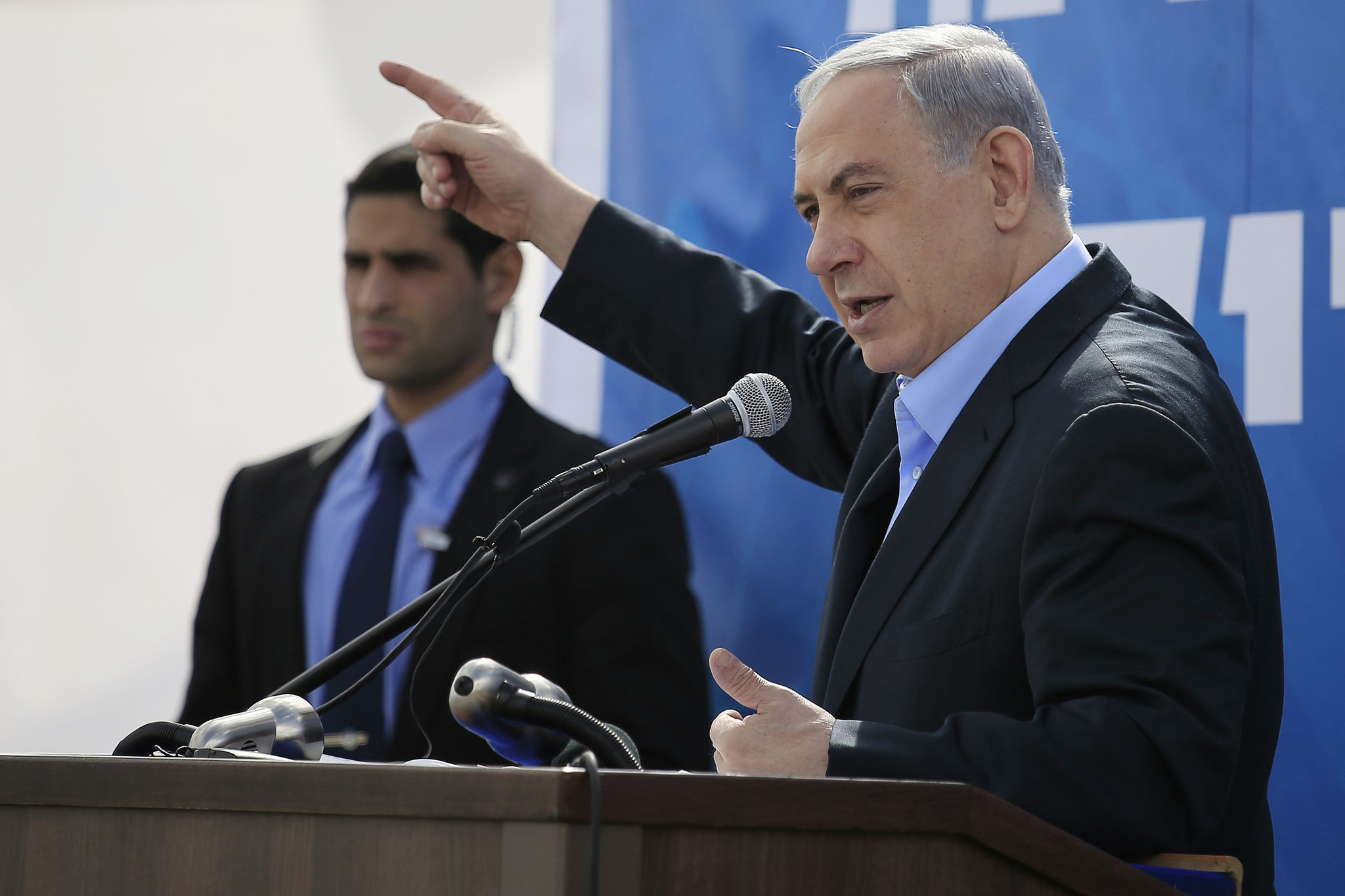
An Israeli minister was nearly killed in a missile attack by Hezbollah during an official visit to northern Israel, as revealed by Channel 15. This incident occurred at the onset of the war and is disclosed a month after the escalation of conflict in the region.
According to a source from the VIP protection unit, the incident posed a direct threat to the minister's life, raising significant concerns within Israeli political circles. In response, precautionary measures were implemented to restrict the movements of political officials and prevent them from visiting sensitive sites to ensure their safety.
Details of the Incident
In a related development, Israeli media reported on Sunday evening that a Knesset session was suspended due to the sound of air raid sirens in Jerusalem. Knesset members were discussing the annual budget when the sirens went off, forcing them to head to shelters until the area was secured.
Later, the Knesset spokesperson announced that the parliamentary session would resume as soon as possible after being temporarily suspended due to the alarms. This incident reflects the increasing tensions in the region, with growing fears of further security escalations.
Background & Context
These events come at a highly sensitive time for Israel, as the country is experiencing an escalation of hostilities with Hezbollah, considered one of Israel's primary traditional adversaries. Since the outbreak of the war, missile attacks from Lebanon have intensified, leading to a state of anxiety within Israeli society.
Moreover, these events occur amid internal political tensions, as many officials seek to bolster their positions in the face of security challenges. The attack on the minister illustrates how close security threats are to the daily lives of Israeli politicians.
Impact & Consequences
The repercussions of this incident extend beyond being an attack on a political figure; it reflects a state of instability in the region. This may lead to increased security measures in Israel, affecting the daily lives of citizens.
Additionally, this incident could contribute to escalating tensions between Israel and Hezbollah, increasing the likelihood of new military confrontations. At the same time, it may strengthen the Israeli government's position in addressing security challenges, potentially influencing future political decisions.
Regional Significance
This incident highlights the ongoing tensions in the region, where Hezbollah is part of the resistance axis that includes other factions against Israel. The escalation of hostilities may impact relations between Arab countries and Israel, exacerbating political divisions in the area.
Simultaneously, this event underscores the urgent need for peaceful solutions to conflicts in the region, as military escalation will only lead to further suffering for civilians on both sides. The current situation requires Arab countries to act urgently to alleviate tensions.
In conclusion, this incident serves as a wake-up call for officials in the region, as security and stability demand collective efforts to achieve peaceful and lasting solutions.