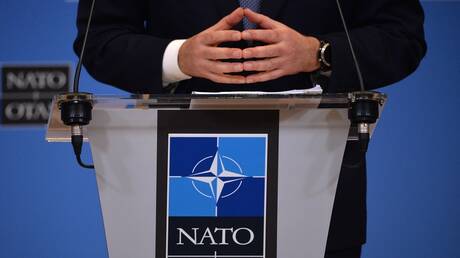
Max Bergman, a former US State Department official, revealed that NATO is experiencing an unprecedented crisis since its inception, primarily due to the current American stance. Bergman emphasized that the current state of the alliance reflects a significant decline in its ability to face global challenges, raising concerns about its future and role in the international security system.
Bergman's statements come at a sensitive time, as NATO faces increasing pressures from various fronts, including escalating geopolitical tensions in Eastern Europe, particularly with the rising threats from Russia. There are also questions regarding the United States' commitment to the alliance amid ongoing domestic and foreign political changes.
NATO's Current Situation
NATO, established in 1949, is one of the most prominent military alliances in the world, comprising 30 member countries. The alliance has played a pivotal role in maintaining security and stability in Europe during the Cold War and beyond. However, Bergman believes that NATO today suffers from a lack of coordination and the ability to make effective decisions, making it vulnerable to increasing challenges.
Bergman pointed out that the current American stance, characterized by uncertainty and instability, has negatively impacted the alliance's ability to operate cohesively. He stressed that this situation necessitates a comprehensive reassessment of NATO's strategies and future objectives.
Background & Context
Over the decades, NATO has faced numerous challenges, ranging from regional conflicts to terrorist threats. However, the current situation is considered the most complex, with rising tensions among member states, especially given the differences in political and military visions.
These crises coincide with the increasing Russian influence in the region, as Moscow seeks to bolster its military presence on the borders with NATO countries. This situation intensifies the pressures on the alliance and reflects the urgent need to unify efforts to confront common threats.
Impact & Consequences
Bergman's remarks serve as a wake-up call for the alliance, indicating the necessity of taking urgent steps to address internal and external issues. The decline in NATO's ability to operate effectively could exacerbate security crises in the region, potentially negatively impacting global stability.
Additionally, NATO's weakness may encourage some countries to take unilateral actions, increasing the likelihood of new conflicts. Therefore, enhancing cooperation among member states and rebuilding trust will be essential to maintaining the alliance's unity.
Regional Significance
Given the current circumstances, the impact of NATO's weakness may extend to the Arab region, where many Arab countries are Western allies benefiting from the security support provided by NATO. If the situation continues as it is, these countries may face greater challenges in addressing security threats, whether from terrorist groups or regional conflicts.
Moreover, NATO's instability could affect the foreign policies of Arab states, potentially leading to changes in regional and international alliances.
In conclusion, the current situation of NATO requires a comprehensive reassessment and new strategies to address the increasing challenges. Cooperation and coordination among member states will be key to maintaining security and stability in the world.