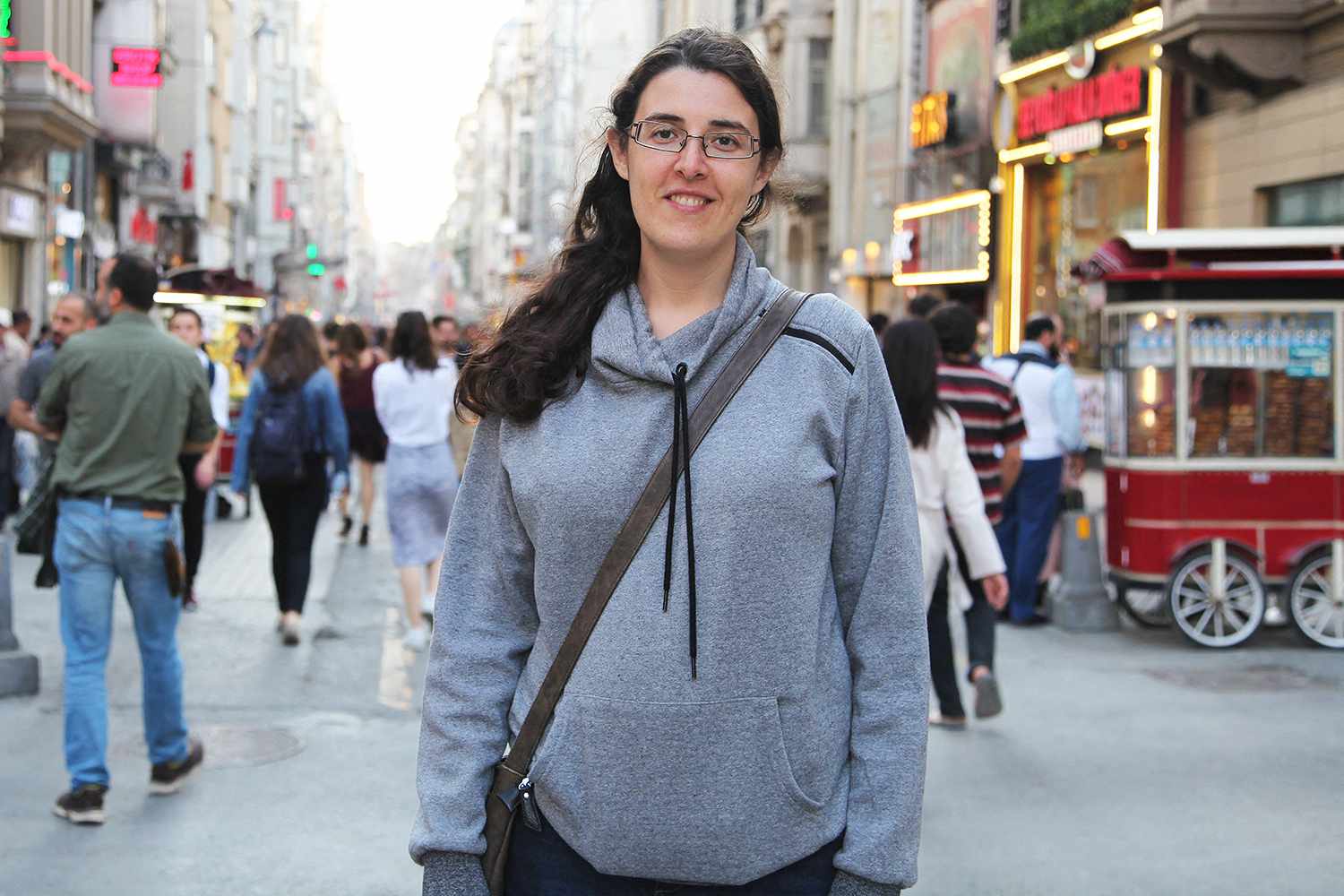
The kidnapping of American journalist Shelly Kittleson has shed light on the significant influence of Iran-backed armed groups in Iraq, operating outside the control of the Iraqi government. The incident, which occurred at a sensitive time, raises questions about Baghdad's ability to protect journalists and citizens amid escalating armed activities.
Kittleson, who has been working in Iraq for some time, was abducted under mysterious circumstances, causing widespread concern among journalistic and political circles. This incident comes at a time when Iraq is experiencing increasing tension between armed groups and the government, reflecting a state of chaos and instability.
Details of the Incident
The kidnapping of Shelly Kittleson, who was covering political and social events in Iraq, highlights the challenges faced by the Iraqi government in controlling armed groups. These groups, believed to be supported by Iran, operate independently and target journalists and activists, increasing the atmosphere of fear and anxiety among media professionals.
The Iraqi government, which struggles to maintain control over these groups, faces growing pressure from the international community to address this phenomenon. Human rights organizations have condemned the incident, calling on the government to take immediate action to protect journalists and ensure their safety.
Background & Context
Historically, Iraq has witnessed a rise in the influence of armed groups, especially following the American invasion in 2003. Initially considered tools of resistance against occupation, these groups now pose a threat to security and stability in the country. With the increasing Iranian influence in Iraq, armed activities targeting journalists and activists have also escalated.
Journalism in Iraq is regarded as one of the most dangerous professions, with many journalists facing kidnapping or murder due to their coverage of political or social events. This situation reflects the significant challenges facing freedom of expression in the country.
Impact & Consequences
The kidnapping of Kittleson could have serious repercussions for press freedom in Iraq. If the government does not take effective measures to protect journalists, the number of journalists working in the country may decline, negatively impacting the coverage of important events and increasing uncertainty.
This incident may also provoke strong reactions from the international community, with expectations of pressure on the Iraqi government to enhance security and protect journalists. If such incidents continue, relations between Iraq and Western countries, particularly the United States, which considers press freedom a core value, may be affected.
Regional Significance
The kidnapping of Shelly Kittleson serves as an example of the challenges facing press freedom in the Arab region as a whole. Iraq is not the only country suffering from this phenomenon; many Arab nations face similar challenges, where journalism is under pressure from governments and armed groups.
This situation requires Arab countries to strengthen the protection of journalists and provide a safe environment for them to work, contributing to the enhancement of freedom of expression and democracy in the region.
The incident involving the kidnapping of Shelly Kittleson underscores the urgent need for action to protect journalists in Iraq and the region as a whole. The Iraqi government and the international community must work together to ensure the safety of journalists and promote freedom of expression as a fundamental right for every individual.