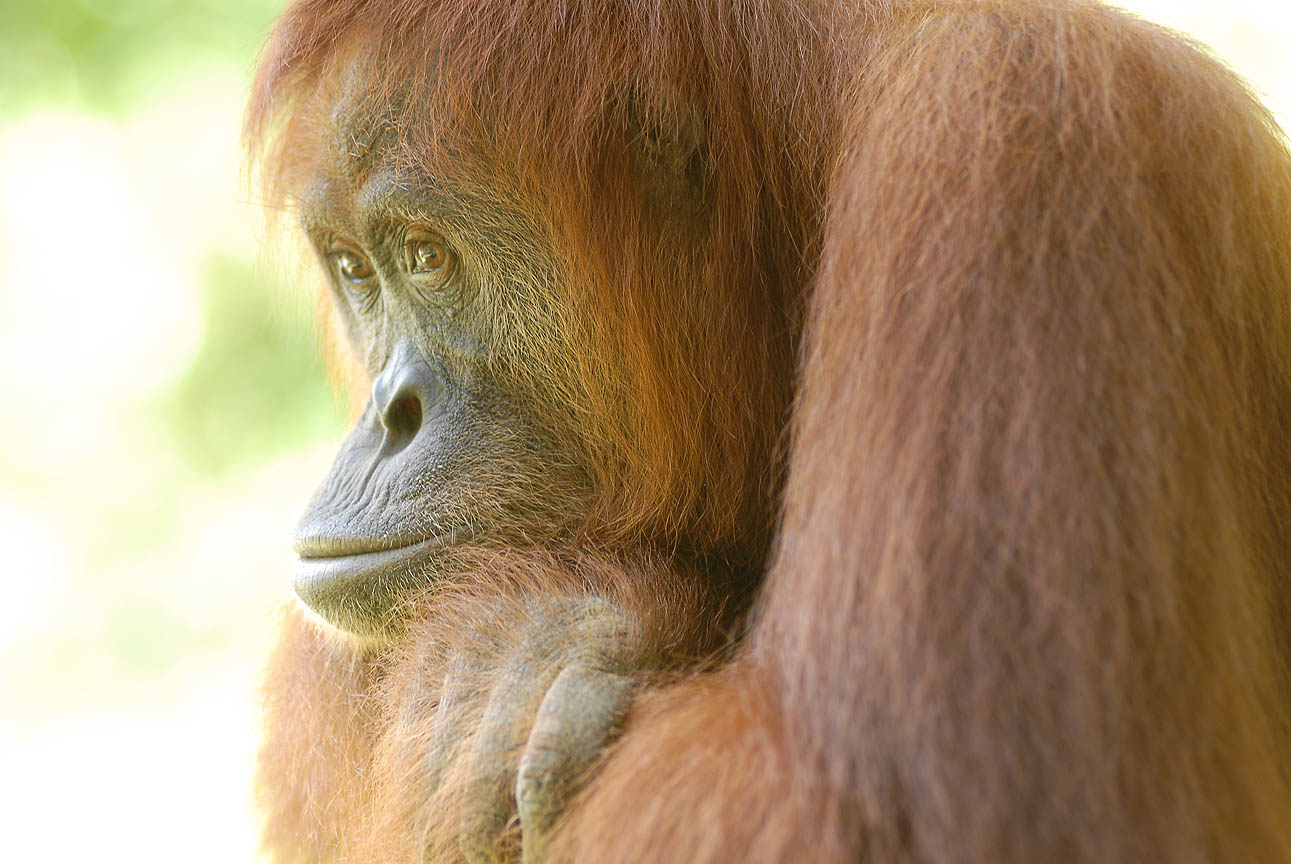
In a rare and moving event, a Sumatran orangutan utilized an artificial bridge to cross a public road in the Pakpak Bharat region of Indonesia. This historic moment, captured by surveillance cameras, reflects the ability of these endangered animals to adapt to the environmental changes they face in their natural habitat.
Sumatran orangutans are classified as endangered, with their populations significantly declining due to deforestation and logging. The use of the artificial bridge represents a positive step towards protecting this species, as it helps reduce vehicle collisions and contributes to biodiversity conservation.
Details of the Event
This event took place in the Pakpak Bharat area, which is rich in tropical forests, where an artificial bridge was constructed to facilitate the movement of wildlife. This bridge is part of environmental conservation efforts, designed specifically to meet the needs of animals like orangutans. Footage showed how these primates skillfully used the bridge, demonstrating their ability to adapt to environmental changes.
This moment marks a significant milestone in the efforts to conserve endangered species, showcasing how humanity can collaborate with nature to protect wildlife. The bridge serves not only as a means to cross the road but also as a symbol of hope for a better future for endangered animals.
Background & Context
Historically, Sumatran orangutans lived in dense forests, but urban expansion and agriculture have led to the destruction of their habitats. According to reports from wildlife conservation organizations, orangutan populations have decreased by over 50% in the past three decades. This sharp decline has made it imperative to take action to protect this species.
In recent years, many non-governmental organizations and local governments have begun implementing projects to protect forests and create safe corridors for wildlife. The artificial bridge is part of these efforts, reflecting the local community's commitment to environmental protection and wildlife conservation.
Impact & Consequences
The use of the artificial bridge by orangutans could have positive environmental impacts. By reducing vehicle collisions, the orangutan population in the area may increase. Additionally, this event could encourage more similar projects in other regions, contributing to biodiversity conservation.
Furthermore, the success of this project could raise awareness about the importance of environmental conservation among local communities. If similar projects are implemented in other areas, it could have a significant impact on protecting endangered species.
Regional Significance
The event underscores the importance of environmental adaptation and the necessity of protecting endangered species. It highlights how innovative solutions can facilitate coexistence between wildlife and human infrastructure, promoting a sustainable future.
In conclusion, the crossing of the artificial bridge by the Sumatran orangutan not only represents a remarkable achievement in wildlife conservation but also serves as a beacon of hope for the future of endangered species.