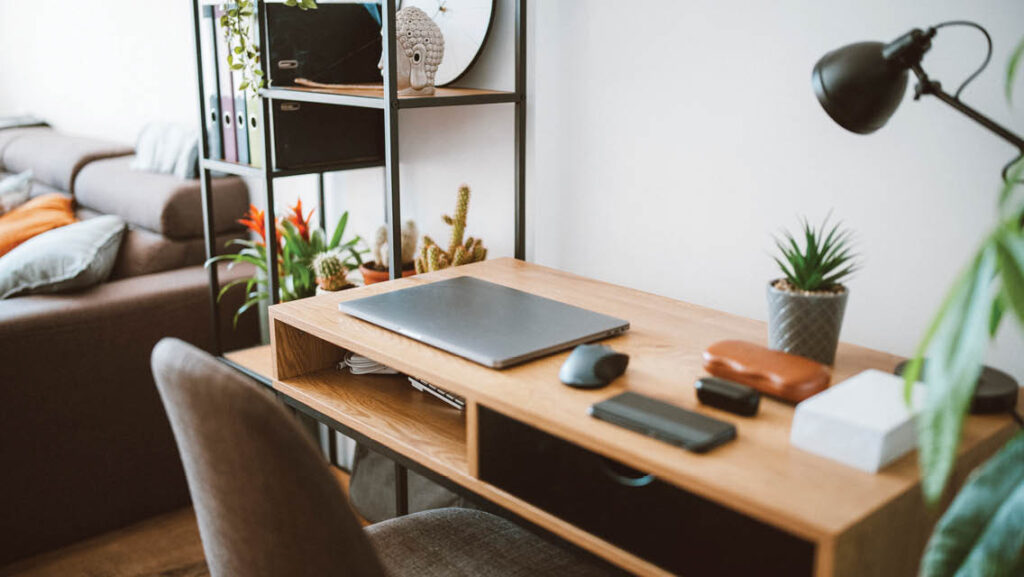
The 'Home Calming' experience aims to reorganize personal spaces by temporarily emptying them, helping individuals discover their true needs away from clutter. This method offers a calm approach to managing possessions and alleviating psychological stress.
In today's world, where homes are filled with items we believe we need, it has become essential to seek effective ways to restore calm and order in our living spaces. Among the methods that have gained widespread popularity recently, the 'Home Calming' technique stands out as an innovative solution.
Details of the Method
'Home Calming' differs from traditional methods that require quick and decisive decisions about discarding items. Instead, it focuses on a more peaceful approach, where the space is temporarily emptied of non-essential items, allowing the individual to live in a simpler, less cluttered environment. Items are placed in what is called a 'holding area,' where this trial period typically lasts between 24 and 48 hours.
The goal of this process is not the immediate disposal of possessions but rather to explore how the space looks when visual clutter is reduced. A new question arises: 'What deserves to return to this space?' instead of the overwhelming question: 'What should I get rid of?'.
Background & Context
'Home Calming' is characterized by a shift in mindset regarding organization. In traditional methods, a person starts from complete chaos and is asked to make a series of decisions about what to keep and what to discard, leading to a psychological pressure known as 'decision fatigue.' In contrast, 'Home Calming' begins from a nearly empty space, enhancing the sense of control over the area.
This method helps individuals recognize the impact of decluttering on mood, focus, and overall quality of daily life. Emotional attachment to possessions is one of the biggest obstacles in the organizing process, as many hold onto items linked to memories or people, making the decision to let go difficult.
Impact & Consequences
'Home Calming' offers an opportunity to see the space without items, which alleviates emotional anxiety and creates a psychological distance that allows for reflection and more composed decision-making. After a short period of missing some items, many discover they did not miss them as much as they expected, and the space has become more comfortable and organized.
This method is easy to apply, as it does not require final decisions from the outset. Items are temporarily moved to the 'holding area,' providing a sense of security and encouraging continuation without fear of losing something important. It also does not require a budget or special equipment, only a temporary space, some time, and patience.
Regional Significance
'Home Calming' proves effective in daily-used spaces such as the living room, bedroom, and kitchen, where visual clutter can accumulate quickly. In contrast, larger spaces like storage rooms and garages may require more traditional organizing methods.
Starting with small areas like a shelf or drawer and gradually moving to larger spaces helps build experience and confidence. At its core, 'Home Calming' transforms organization from a daunting task into an exploratory experience, allowing homeowners to see their space and feel the impact of change before making final decisions.