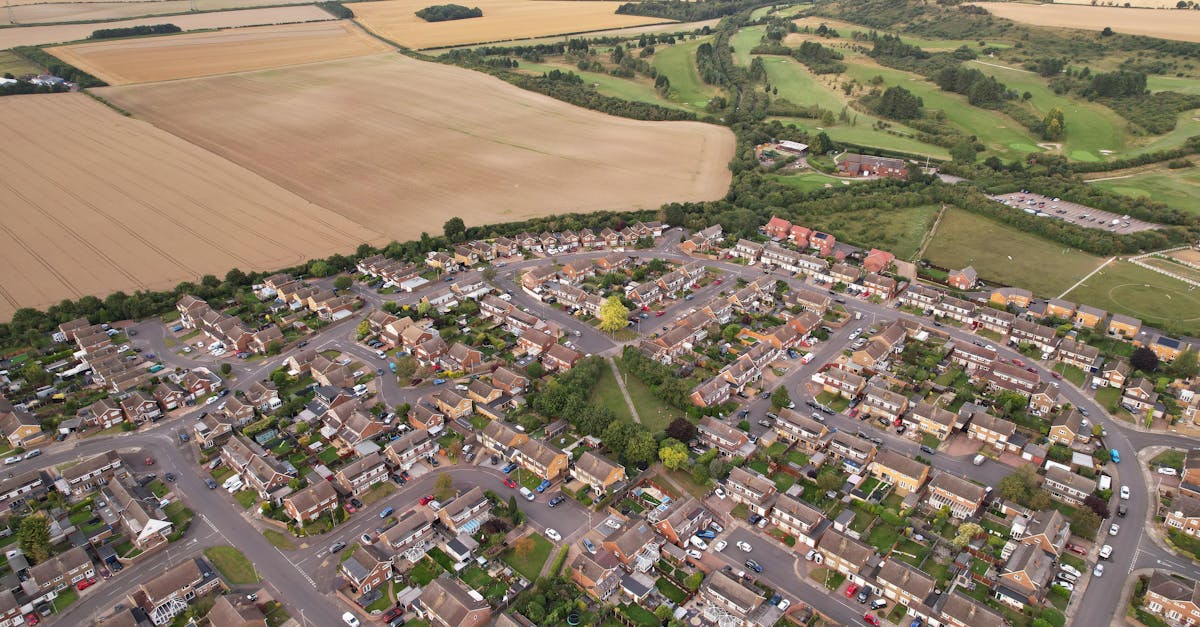
Home prices in the UK declined by 0.5% in March, according to a report from Halifax, as rising mortgage rates stemming from the fallout of the war in Iran have led to decreased demand for properties. The average home price now stands at £299,677, with annual price growth also slowing.
This decline follows a 0.3% increase in February, prior to the onset of the conflict that has driven up energy costs and heightened concerns about inflation, leading to expectations that interest rates will not be lowered this year.
Event Details
Mortgage rates have seen a notable increase, with hundreds of the lowest-cost offers disappearing in recent weeks. Last month recorded the largest daily withdrawal of offers since the disastrous mini-budget in 2022 under former Prime Minister Liz Truss.
Despite this, Halifax reported that the recent rise in mortgage rates has not been as severe as it was four years ago. Amanda Bryden, head of the mortgage department at Halifax, explained that the current slowdown in the housing market reflects widespread uncertainty related to the conflict in the Middle East.
Background & Context
Historically, home prices in the UK have experienced significant fluctuations due to political and economic events. Regional conflicts, such as the one in Iran, often impact global markets, including the real estate sector. Rising energy prices due to conflicts lead to increased living costs, adversely affecting consumers' purchasing power.
Changes in interest rates also directly affect the mortgage market. In recent years, the UK has seen an increase in interest rates, impacting individuals' ability to secure mortgage loans.
Impact & Consequences
The economic effects stemming from the conflict in Iran could lead to a further slowdown in the real estate market. Rising energy prices may push inflation to higher levels, increasing pressure on consumers and reducing their confidence in the market. Additionally, uncertainty regarding future interest rates may lead to decreased demand for properties, affecting investments in this sector.
Bryden anticipates that weak demand will persist for an extended period, depending on the sustainability of these pressures and their impact on the economy and unemployment. If the current situation continues, we may witness further declines in prices.
Regional Significance
The economic conditions in the UK serve as an important indicator for many Arab countries, particularly those reliant on foreign investments. Rising energy prices and inflation could affect Arab investments in the UK, potentially leading to a decline in joint ventures.
Moreover, the situation in Iran may impact security and stability in the region, increasing concerns among Arab nations. Under these circumstances, it is crucial for Arab countries to monitor economic developments in the UK and their impact on local markets.