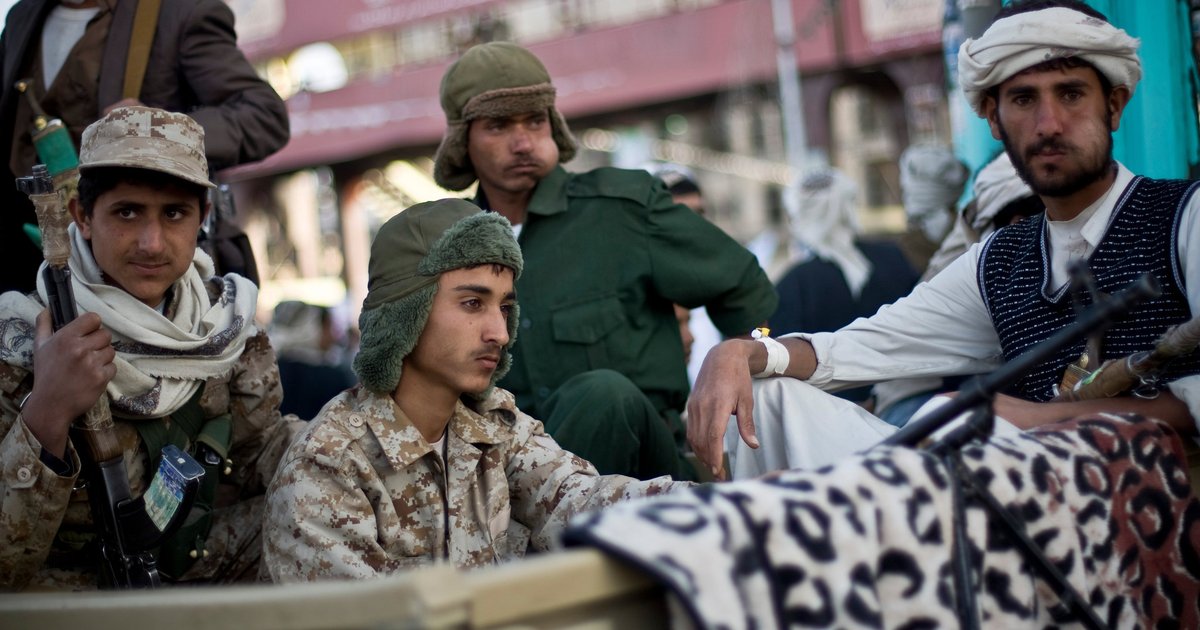
The Houthi group, known as Ansar Allah, announced on Friday evening its readiness for direct military intervention in the ongoing conflict in the region. The group's military spokesperson, Brigadier General Yahya Saree, confirmed that this intervention would take place under specific circumstances related to the developments in the conflict, such as the formation of any new alliances with the United States and Israel.
Brigadier General Saree explained that the Houthis are closely monitoring the military and political developments in the region and are prepared to respond in the event of any new threats. He indicated that the group considers any alliances with Western powers, particularly the United States and Israel, as crossing red lines, necessitating a direct military response.
Details of the Announcement
These statements come at a time when Yemen is witnessing an escalation in armed conflict, with increasing tensions between the Houthis and the forces supported by the Arab Coalition led by Saudi Arabia. The Houthis have indicated that they possess the necessary military capabilities to confront any external intervention and will not hesitate to use this force if needed.
Brigadier General Saree also confirmed that the Houthis continue to enhance their military capabilities and are working on developing their weapons to counter any potential threats. He clarified that the group is closely monitoring the military movements of Saudi and American forces in the region and is prepared to respond at the appropriate time.
Background & Context
Historically, Yemen has experienced internal and external conflicts for years, with the intensity of the conflict escalating since 2014 when the Houthis seized control of the capital, Sanaa. Since then, the Arab Coalition led by Saudi Arabia has intervened to support the internationally recognized government, exacerbating the humanitarian situation in the country.
It is noteworthy that the Houthis have received military and political support from Iran, complicating the conflict further. These dynamics have raised concerns about the outbreak of a broader regional war, especially with the increasing tensions between Iran and the United States in the area.
Impact & Consequences
Many analyses predict that the Houthis' statements will lead to an escalation of the conflict in Yemen, which could impact regional security. Should the Houthis intervene militarily, it could open new fronts in the conflict and complicate the peace efforts being pursued by the United Nations.
Any escalation in the conflict may also affect maritime navigation in the Red Sea, a vital corridor for global trade. This could lead to increased tensions between major powers, particularly given the presence of American and Israeli interests in the region.
Regional Significance
These developments are of significant importance to the Arab region, as they contribute to increasing tensions between Arab states and Iran. Any escalation in the Yemeni conflict could affect stability in neighboring countries, such as Saudi Arabia and Oman.
In conclusion, the situation in Yemen remains complex and requires genuine international efforts to reach a peaceful resolution. The Houthis' statements reflect the significant challenges facing the region and highlight the urgent need for resolving conflicts peacefully.