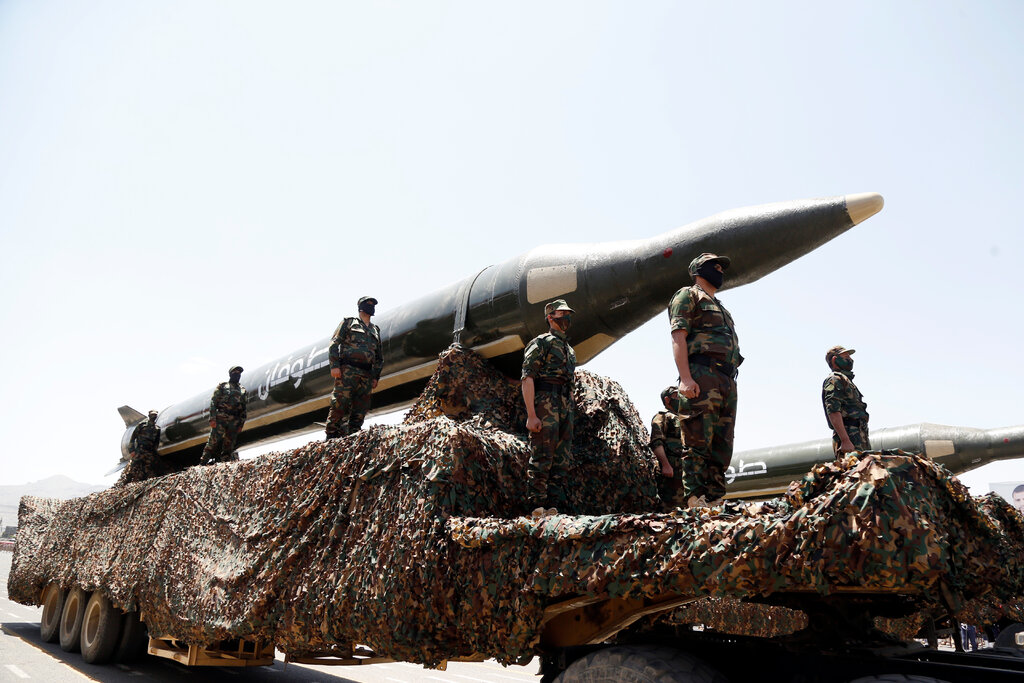
In a new escalation of regional tensions, the Houthis have announced the execution of a military operation targeting a range of vital and military sites in Israel. This operation is part of the increasing reactions to ongoing events in the region and underscores the Houthis' ability to conduct complex operations beyond their borders.
The operation, described as the second of its kind, indicates the Houthis' strategies to expand the scope of their military operations, targeting sites considered vital to Israeli security. This move has sparked varied reactions in political and military circles, with some viewing it as a dangerous escalation that could exacerbate the situation in the region.
Details of the Operation
According to reports, the Houthis utilized advanced techniques in executing this operation, reflecting the evolution of their military capabilities. The operation targeted sensitive military sites and was carried out simultaneously with rising tensions in the region, complicating the security landscape further.
This operation follows a series of events that have unfolded in the region, including escalations in Gaza and international pressures on Iran. The Houthis, who are considered part of the Iranian axis, are seeking to bolster their regional position through these operations.
Background & Context
Historically, relations between the Houthis and Israel have been tense, with the Houthis viewing Israel as a primary enemy. In recent years, there has been an escalation in military operations by the Houthis, particularly following increased Iranian support for them. These operations are not new but reflect a shift in Houthi strategy towards targeting external objectives.
In past years, there have been multiple attempts by the Houthis to target sites in Saudi Arabia and the UAE, but this operation represents a new step towards targeting Israel, further complicating the conflict in the region.
Impact & Consequences
The implications of this operation could be far-reaching, potentially leading to military responses from Israel, thereby increasing the likelihood of military escalation in the region. Additionally, these operations may affect relations between Arab states and Israel, especially in light of recent developments in normalization agreements.
Rising tensions could also lead to international interventions, as major powers seek to avoid escalating the conflict in the region. These events may reshape regional alliances, as some countries aim to strengthen their positions in the face of increasing security threats.
Regional Significance
Recent events suggest that the Arab region may enter a new phase of tensions, as various powers seek to enhance their influence. The Houthis, through these operations, aim to send a strong message that they are capable of executing complex operations, which may encourage other groups to take similar steps.
This escalation could impact regional security, potentially leading to increased tensions between Arab states and Israel, reopening old conflict files. Furthermore, these events may affect peace efforts in the region, as fears of a comprehensive military escalation grow.
In conclusion, the recent Houthi operation represents a turning point in the regional conflict, reflecting an escalation in tensions and new challenges to peace and stability efforts in the region.