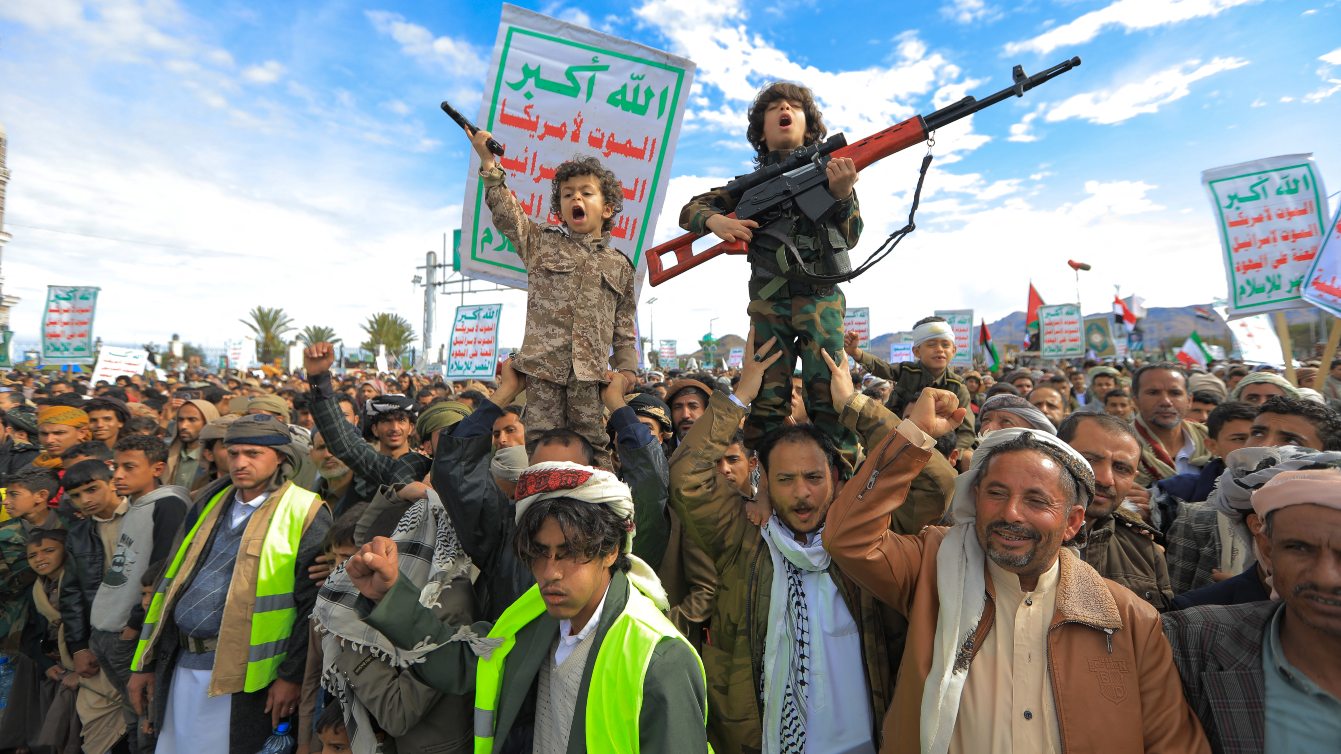
Houthi military spokesperson Yahya Saree warned that Yemeni forces are prepared for direct military intervention if the United States and Israel expand their alliance against Iran and its allies. These statements come at a sensitive time when the region is witnessing escalating tensions between major powers, raising concerns about the implications for regional security.
Saree, who made his remarks during a press conference, emphasized that any use of the Red Sea for hostile operations against Iran or its allies would face a strong reaction from the Houthis. These statements reflect the deep concern among the Houthis regarding US and Israeli military movements in the region, which they perceive as a direct threat to their security and stability.
Details of the Warning
These warnings come at a time when US military activities in the Middle East are increasing, as the United States seeks to bolster its military presence to counter Iran's growing influence. The Houthis, who see themselves as part of the resistance axis against Western hegemony, believe that any military movements in the Red Sea could lead to undesirable escalation.
Saree also pointed out that the Houthis possess the capability to respond to any threats, asserting that the Yemeni armed forces are on high alert. These statements come at a critical time as attention turns to the Red Sea as one of the vital strategic points for global trade, increasing the importance of security in this region.
Context and Background
Historically, the Red Sea region has witnessed multiple tensions due to regional conflicts, as this waterway is considered one of the most important trade routes in the world. The Houthis, who control large parts of Yemen, view themselves as part of the broader conflict against the United States and Israel, considering any intervention in the Red Sea a direct threat to their security.
It is noteworthy that the Houthis have received military and logistical support from Iran, complicating the conflict in the region. This dynamic makes it difficult to predict the developments of events, as any escalation could have serious repercussions for regional and international security.
Consequences and Impact
The Houthi warnings indicate the potential for escalating conflict in the region, as any military intervention by the United States or Israel could lead to unexpected reactions from the Houthis. This potential escalation could affect maritime traffic in the Red Sea, negatively impacting global trade.
Moreover, any military escalation could increase tensions between major powers in the region, potentially dragging other countries into the conflict. This situation threatens stability in the Middle East, which is already suffering from multiple conflicts.
Impact on the Arab Region
In the Arab context, these warnings serve as a wake-up call for Arab countries that may be directly or indirectly affected by the rising tensions in the Red Sea. Arab countries bordering the Red Sea, such as Egypt and Saudi Arabia, may find themselves in a difficult position if matters escalate into military conflict.
Furthermore, these developments could impact regional security, as any escalation could have negative repercussions on the Arab economy, particularly in trade and energy sectors. Therefore, Arab countries need to take proactive steps to avoid slipping into a larger conflict.
In conclusion, the Houthi warnings serve as a reminder of the complexity of conflicts in the region and the importance of diplomatic dialogue to avoid military escalation that could have severe consequences.