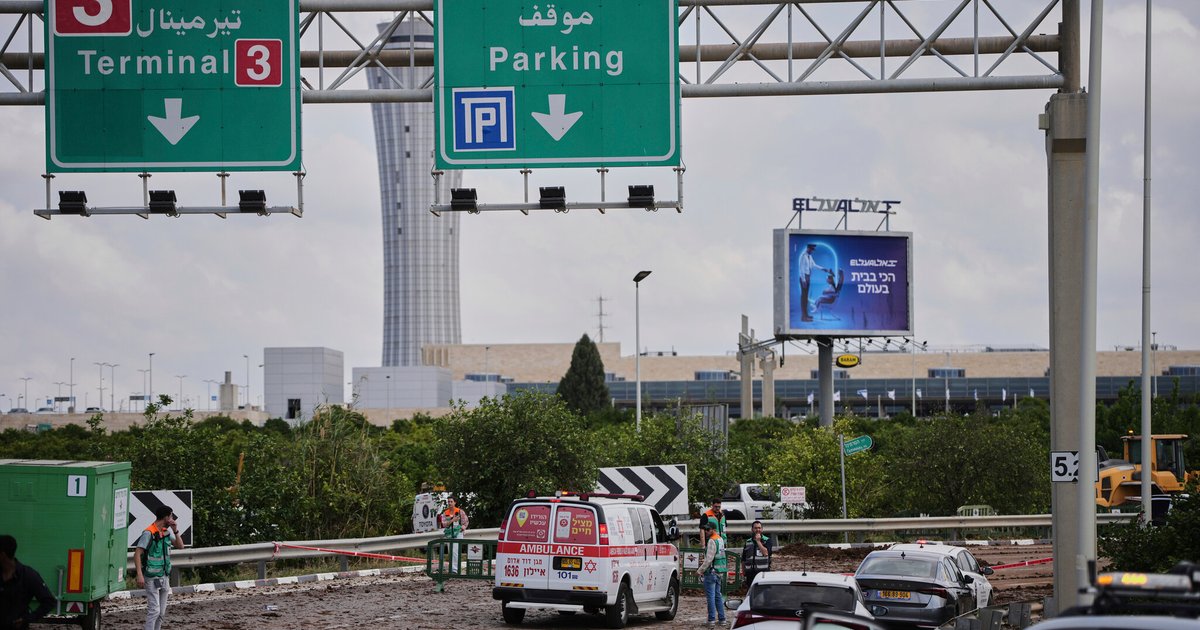
The Houthis, supported by Iran, have carried out their first missile attack on Israel, reflecting escalating tensions in the region and indicating an expansion of the conflict. The attack comes at a sensitive time, as fears of rising disputes in the Middle East increase.
The missile attack, which targeted areas in Israel, reflects the growing support from the Houthis for Iran and is considered a provocative step in the context of regional conflicts. This attack has elicited varied reactions from Arab and Western governments, which have expressed concern over the implications of this escalation.
Details of the Attack
In the details of the attack, local sources reported that the Houthis launched several missiles towards Israeli targets, prompting the activation of the Israeli air defense system. According to reports, the attack did not result in injuries or significant damage, but it caused panic in the targeted areas.
This attack follows a series of hostile statements from the Houthis towards Israel, where they previously announced their support for the Palestinian cause and their rejection of Israeli presence in the region. This attack serves as a strong message from the Houthis to their adversaries in the region, including Saudi Arabia and the United States.
Background & Context
Historically, the Houthis have been linked to Iran since the onset of the conflict in Yemen, where the group has received military and logistical support from Tehran. This support has contributed to enhancing their military capabilities, making them a significant force in the regional conflict. The attack on Israel comes at a time of increasing tensions in the region, especially following the escalation of violence in Gaza and international pressures on Iran.
In recent years, relations between Iran and Israel have seen a notable escalation, with both countries exchanging accusations of inciting violence. The Houthi attack can be understood within this broader conflict, as Iran seeks to bolster its influence in the region by supporting allies like the Houthis.
Impact & Consequences
The Houthi attack on Israel could lead to further escalation in the conflict, as Israel is likely to respond militarily to this attack. Such escalation could drag the region into a spiral of violence, increasing the suffering of civilians in both Yemen and Palestine.
The repercussions of this attack may also include heightened pressures on moderate Arab states, which are striving for stability in the region. Additionally, it could strengthen alliances among regional powers, complicating the political landscape in the Middle East.
Regional Significance
This attack reflects a state of instability in the region, where many Arab countries are grappling with internal and external conflicts. The Houthi attack could impact peace efforts in Yemen and complicate relations between Arab states and Israel.
At the same time, this escalation may bolster the position of extremist forces in the region, increasing the challenges faced by Arab governments in combating terrorism and extremism. It is crucial for Arab nations to collaborate in addressing these challenges and enhancing regional stability.