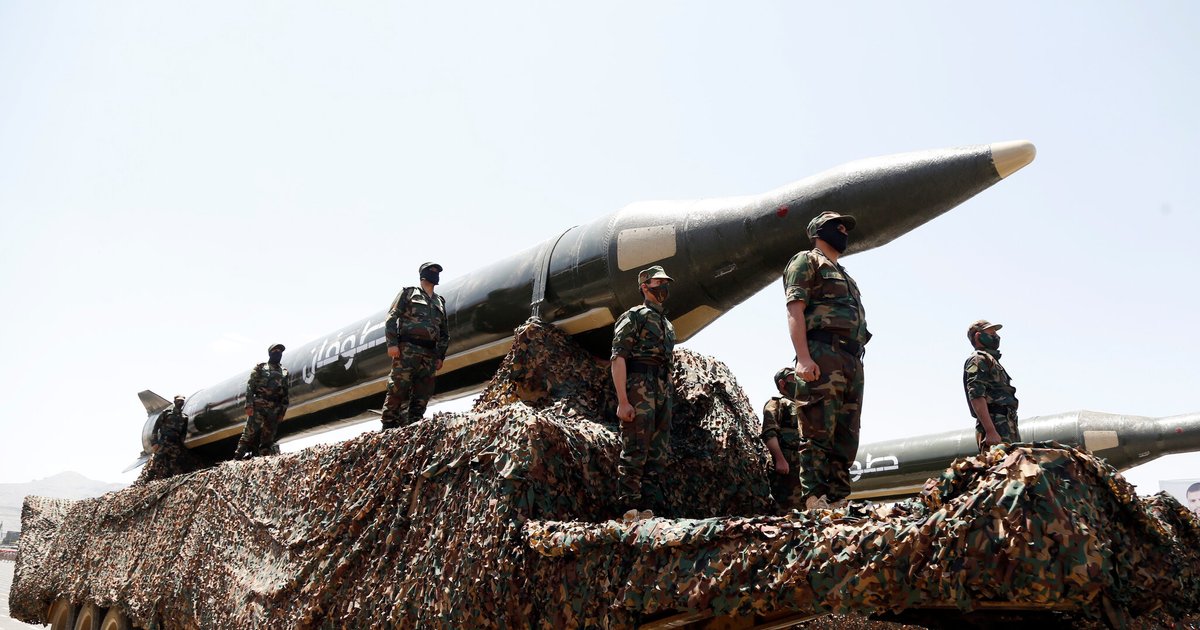
The Houthi group announced a second missile and drone attack against Israel on Saturday evening, marking a significant escalation in regional conflict. This attack follows less than 24 hours after the first, indicating the Houthis' direct involvement in the ongoing dispute.
The military spokesperson for the group, Brigadier General Yahya Saree, stated in an official statement that their forces executed "the second military operation in the 'Holy Jihad Battle'", noting that the attack targeted strategic sites within Israeli territory. Saree confirmed that these operations are part of their response to what he described as Israeli aggression against the Palestinian people.
Details of the Incident
The second attack carried out by the Houthi group comes after their announcement of the first attack targeting Israel, which was executed using missiles and drones. Brigadier General Yahya Saree indicated that the military operations aim to support the Palestinian resistance and strengthen its position against the occupation.
These developments occur at a time when the region is witnessing heightened tensions, especially with the ongoing conflict in Gaza and Israeli military operations against Palestinian factions. This escalation has raised widespread international concern, with many countries calling for restraint and avoidance of military escalation.
Background & Context
Historically, the Houthi group has always been part of the broader regional conflict, seeking to enhance its influence in the area. Recent years have seen an increase in tensions between the Houthis and Israel, particularly following Iranian support for the Houthis in their struggle against the Yemeni government and the Arab coalition.
The Houthis also consider themselves part of the resistance axis that includes Palestinian and Iranian factions, reflecting the intertwining of regional interests in the conflict. Recent events in Gaza have contributed to increased popular support for the Houthis in Yemen, prompting them to take bolder steps against Israel.
Impact & Consequences
The repeated attacks by the Houthis on Israel could lead to greater military escalation in the region, threatening the stability of neighboring countries. These operations may also affect the relationships between the Houthis and other Arab states, particularly those seeking to achieve peace in Yemen.
On the other hand, these escalations could lead to increased Iranian support for the Houthis, strengthening their position in the Yemeni conflict. Additionally, military escalation may open the door for military interventions by other countries in the region, further complicating the security situation.
Regional Significance
These developments are indicative of rising tensions in the region, with growing fears of new conflicts that could impact security and stability in Arab countries. Furthermore, these events may reshape alliances in the region, as some countries may seek to support the Houthis against Israel.
In conclusion, the situation in the region remains complex, with political and military interests intertwining, making it difficult to predict future developments. The international community must take urgent steps to curb escalation and ensure regional stability.