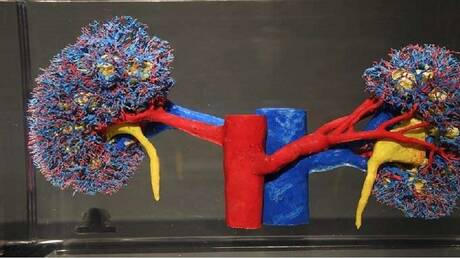
Professor Vigen Malkhsyan, a specialist in urology and oncology, revealed that the formation of kidney stones is significantly linked to poor nutrition. He explained that an unbalanced diet can lead to the accumulation of minerals and salts in the kidneys, resulting in stone formation. He emphasized the importance of recognizing foods that contribute to this problem and how to adjust the diet to maintain kidney health.
Foods that may increase the risk of kidney stones include those rich in oxalates, such as spinach and chocolate, as well as sodium-rich foods like fast food and canned goods. Professor Malkhsyan confirmed that consuming large amounts of animal protein may also contribute to a higher risk of developing kidney stones.
Details of the Issue
Professor Malkhsyan clarified that stones form when chemicals in the urine aggregate, noting that there are two main types of stones: calcium stones and uric acid stones. He asserted that diet plays a crucial role in the formation of these stones, as consuming large quantities of fluids can reduce the risk of occurrence.
He also pointed out the importance of drinking adequate amounts of water, as this helps dilute the concentration of chemicals in the urine. He recommended reducing the intake of foods high in oxalates and sodium while increasing the consumption of fresh fruits and vegetables.
Background & Context
The issue of kidney stones is a common health concern in many countries, affecting a significant portion of the population. According to statistics, about 10% of people experience kidney stones at some point in their lives. This figure is higher in certain regions due to environmental and dietary factors.
Studies indicate that genetic factors also play a role in stone formation, but diet is a modifiable factor. Therefore, raising awareness about the importance of healthy nutrition can help reduce incidence rates.
Impact & Consequences
The repercussions of kidney stones extend beyond health dimensions, affecting individuals' quality of life and increasing healthcare costs. Many people suffer from severe pain due to this condition, impacting their ability to work and engage in daily activities.
Moreover, the rise in kidney stone cases may place additional pressure on the healthcare system, necessitating effective strategies for awareness and education regarding proper nutrition.
Regional Significance
The problem of kidney stones is a health issue that affects many Arab countries, with incidence rates increasing in some areas due to unhealthy dietary habits. Therefore, spreading awareness about foods that cause kidney stones can contribute to improving public health.
Arab countries need to enhance health awareness programs focusing on the importance of proper nutrition, which may help reduce kidney stone cases and improve quality of life.
Understanding the relationship between diet and kidney stone formation is an important step towards improving public health. By modifying dietary habits, the risks of occurrence can be reduced, promoting kidney health.