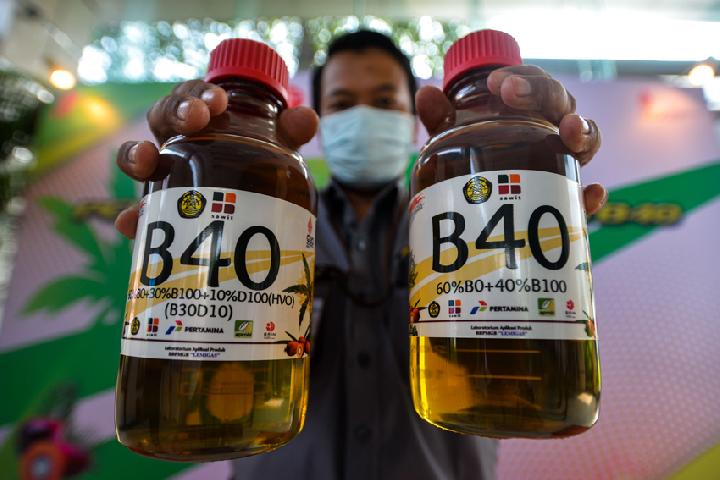
Mohammad Faisal, the Executive Director of the Center for Economic Reforms (CORE) in Indonesia, stated that accelerating the implementation of the B50 biodiesel system necessitates ensuring stable supplies of raw materials, such as crude palm oil, along with confirming government policies to ensure the success of this program.
Faisal explained in an interview with Antara News Agency that the B50 program, which aims to reduce dependence on diesel imports, requires comprehensive preparations, especially regarding sustainability in the palm oil industry supply. He highlighted the importance of ensuring a steady supply from this industry to guarantee the program's success.
Details of the Event
Faisal remarked, "It is crucial to ensure a stable supply from the palm oil industry," noting that long-term stability in government policies is a critical factor, especially for industry players who need to adjust their biodiesel usage to a higher content.
He added, "If there are assurances regarding supplies and policies, the industry will make the necessary adjustments. However, if these assurances are not present, companies may hesitate to invest due to potential risks from policy changes in the future."
Background & Context
Indonesia, as the world's largest producer of palm oil, is striving to enhance the use of biodiesel as part of its strategy to reduce carbon emissions and decrease reliance on fossil fuels. In recent years, the country has witnessed an increase in demand for biodiesel, prompting the government to devise plans to expand its use.
Amid global challenges, including rising oil prices due to geopolitical conflicts, Indonesia is looking to strengthen its renewable energy strategies. These plans represent an opportunity to boost the local economy and reduce reliance on imports.
Impact & Consequences
The implementation of the B50 system is expected to improve environmental sustainability in Indonesia, as it will contribute to reducing carbon emissions. Furthermore, enhancing the use of biodiesel may create new job opportunities in the agriculture sector and related industries.
However, this transition requires significant investments in infrastructure and technology to ensure the production of high-quality biodiesel. Additionally, policy instability could lead to hesitance among companies to invest, which may negatively impact the achievement of environmental and economic goals.
Regional Significance
Indonesia's experience in implementing the B50 system serves as a model that Arab countries can benefit from, especially those seeking to reduce reliance on fossil fuels and promote the use of renewable energy. Arab nations, such as Saudi Arabia and the UAE, could draw from Indonesia's experiences in developing similar strategies to enhance energy sustainability.
In conclusion, the implementation of the B50 system in Indonesia represents a significant step towards achieving environmental sustainability, but it requires stability in policies and raw material supplies to ensure its success.