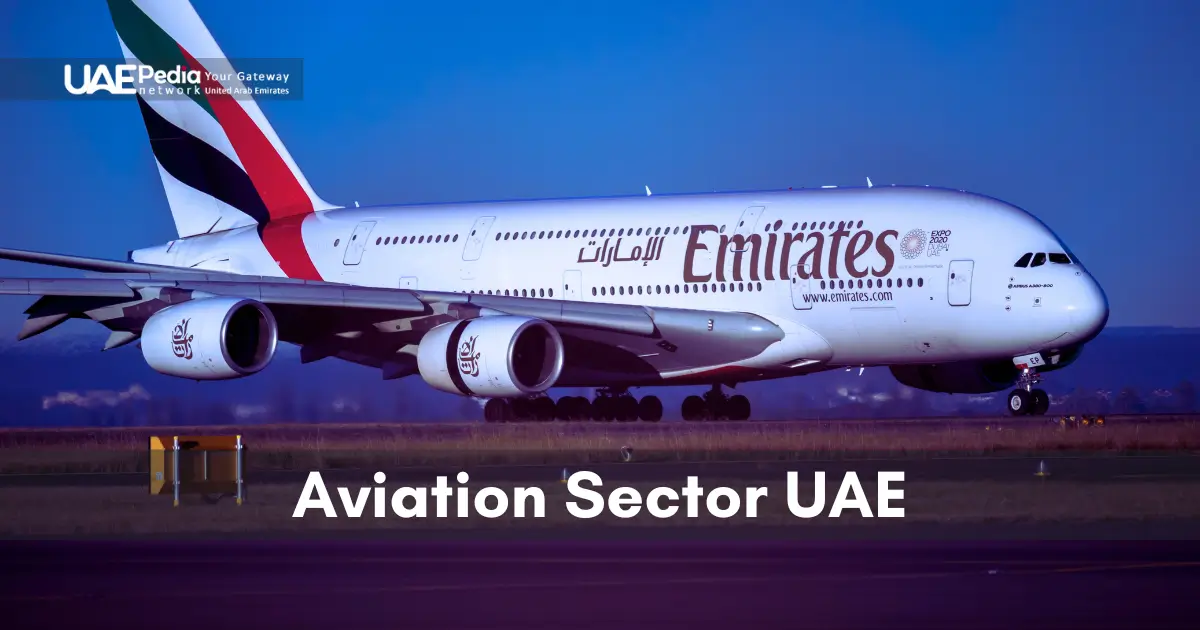
After 33 days of conflict in the region, the aviation sector in the United Arab Emirates has experienced drastic changes that directly affect travelers. Airlines have announced modifications to flight schedules and an increase in security procedures, requiring travelers to be fully aware of these changes before traveling.
The new adjustments to flight schedules include delays for some flights and cancellations for others, raising concerns among travelers who rely on these services. Additionally, security measures at airports have been enhanced, with an increase in the number of checkpoints and baggage checks, potentially leading to longer wait times.
Details of the Changes
Reports indicate that UAE airlines, such as Emirates and Etihad Airways, have modified their flight schedules in response to the changing security conditions. Some flights to specific destinations have been canceled, while others have been delayed due to the surrounding circumstances. There has also been increased cooperation with local authorities to ensure the safety of travelers.
Moreover, an increase in domestic flights has been announced to compensate for the shortfall in international flights, providing additional options for travelers within the country. Officials have indicated that these changes aim to ensure passenger safety and provide reliable services under the current circumstances.
Background & Context
Historically, the UAE has been a major aviation hub in the region, attracting millions of travelers annually. With rising tensions in the area, it has become essential to reassess aviation strategies to ensure passenger safety. The past few years have seen significant changes in the aviation sector, including the introduction of new technologies and improvements in services.
In recent years, the UAE has sought to strengthen its position as a global aviation center, but recent events may impact these efforts. The industry's response to emergencies reflects the sector's resilience and its ability to adapt to changing conditions.
Impact & Consequences
These changes directly affect travelers, as some may find themselves forced to alter their travel plans. Additionally, the increase in security measures may lead to discomfort among some passengers, potentially influencing their decision to travel. At the same time, these changes may present an opportunity for airlines to enhance their domestic services and offer new options for travelers.
Economically, these changes may impact tourism flows in the UAE, as the local economy heavily relies on the tourism sector. Maintaining a high level of security and reliability will be crucial for attracting travelers in the future.
Regional Significance
The UAE serves as a model in the aviation sector, and any changes occurring there may influence neighboring countries. The enhancement of security measures in the UAE may prompt other countries in the region to reassess their airport security strategies. Additionally, changes in flight schedules may affect travel between Arab countries, requiring travelers to stay informed about ongoing updates.
In conclusion, travelers to the UAE must be prepared to adapt to the new changes in the aviation sector. Awareness of updates and security procedures will help ensure a smooth and safe travel experience.