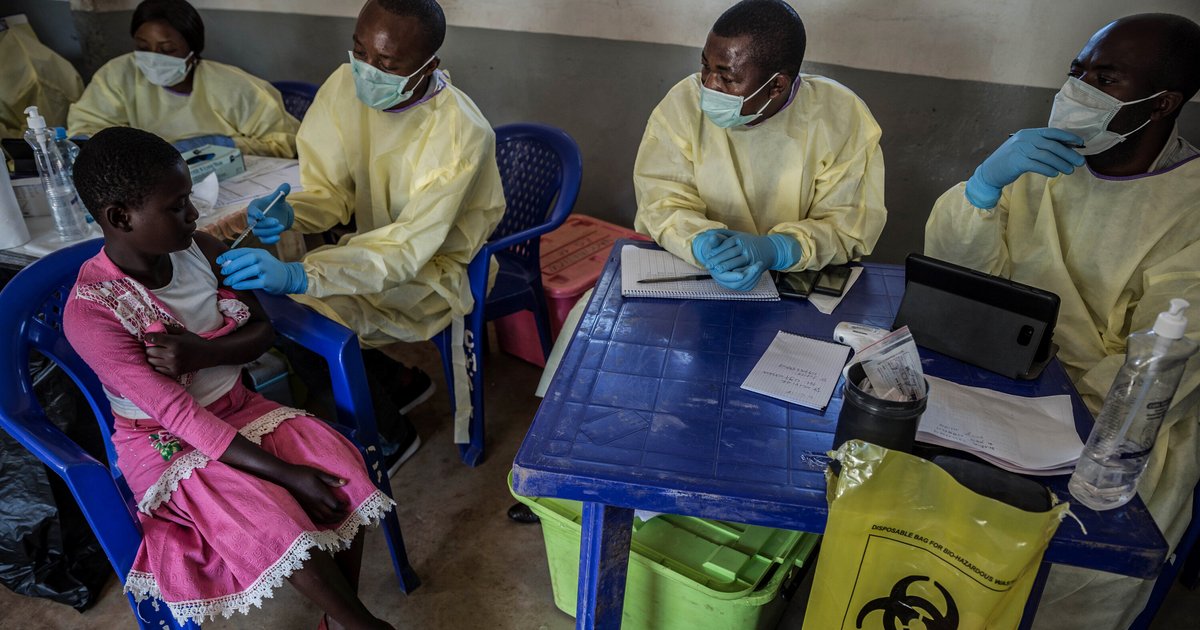
The health authorities in India have announced stringent measures at Kochi and Chennai airports, enhancing health screenings for international travelers. This decision is part of the efforts to address the threat posed by the Ebola virus, which has seen a rise in cases in some African countries.
The Indian government aims to protect citizens and visitors from any potential health threats, implementing thorough screening procedures that include temperature checks and health symptom assessments for travelers arriving from affected countries. Specialized medical teams have also been prepared to handle any suspicious cases.
Details of the Measures
These measures come after the World Health Organization reported an increase in Ebola cases in countries such as the Democratic Republic of Congo and Guinea. Reports indicate that the virus can easily spread through direct contact with the bodily fluids of infected individuals, necessitating strict precautions.
The Indian authorities have stated that they will also conduct random screenings for travelers arriving from other countries, in addition to providing educational information about the virus and its symptoms. Coordination among various health agencies has been strengthened to ensure a rapid response to any emergencies.
Background & Context
The Ebola virus is a highly contagious disease first discovered in 1976. It has caused several deadly outbreaks in Africa, resulting in thousands of deaths. Although the virus does not spread as easily as some other viruses, its danger lies in the high mortality rate, which can reach up to 90% in certain cases.
Historically, India has experienced cases of infectious diseases imported from abroad, prompting the government to adopt strict preventive measures. In recent years, there have been increasing efforts to strengthen the public health system in the country, especially in light of rising global health threats.
Impact & Consequences
The increase in Ebola cases could have negative repercussions on tourism and the Indian economy, as many sectors rely on international visitors. While enhancing health screenings may help reduce risks, it could also lead to delays in flights and increased costs.
Furthermore, concerns over the virus outbreak may affect trade and tourism relations between India and affected countries. Therefore, a swift and effective response from health authorities is crucial to ensure the safety of citizens and visitors.
Regional Significance
The Arab region is part of the global transport network and could be affected by the outbreak of any infectious disease in other countries. Thus, enhancing health screenings in India may serve as a model for Arab countries to address potential health threats.
Global health conditions require greater international coordination, as outbreaks in one country can rapidly impact others. It is essential for Arab nations to remain prepared to face any emerging health challenges.