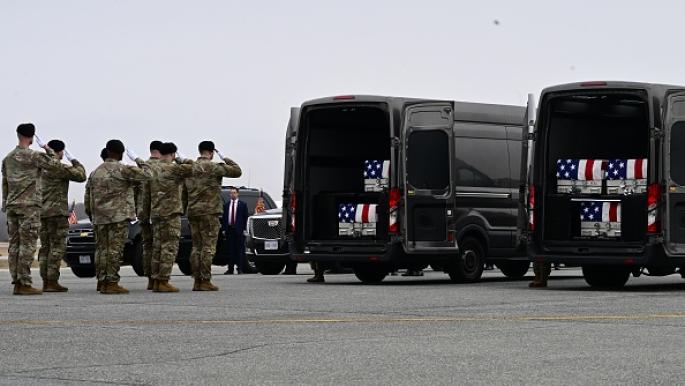
Data from the U.S. Department of Defense indicates that the number of injured soldiers in the war against Iran has reached 365, including officers, as of Friday. Additionally, 13 fatalities have been recorded among U.S. forces.
These figures emerge at a time of rising tensions between the United States and Iran, with the region experiencing increased military escalation. The numbers have raised widespread concern among American political and military circles, as this casualty count is seen as an indicator of the escalating risks faced by U.S. forces in the region.
Details of the Incident
Reports indicate that the injuries include soldiers of various ranks, reflecting the scale of the challenges faced by U.S. forces in the context of ongoing military operations. These figures may serve as evidence of the intensifying conflict, as Iran seeks to bolster its influence in the region, complicating the security situation further.
In this context, the number of American casualties is an indicator of the increasing dangers faced by U.S. troops, as attacks on American military bases in Iraq and Syria have been on the rise. Reports have shown that these attacks are part of Iran's reactions to the increasing U.S. sanctions.
Background & Context
Historically, U.S.-Iranian relations have seen increasing tensions since the Islamic Revolution in 1979. These tensions have led to a series of military and political conflicts in the region. In recent years, these tensions have escalated significantly, especially following the U.S. withdrawal from the nuclear deal with Iran in 2018.
This war is considered part of a broader struggle between regional and international powers, as Iran seeks to enhance its influence in the region while the United States aims to diminish it. This has resulted in an escalation of military operations, leading to an increase in casualties among U.S. forces.
Impact & Consequences
The implications of these figures extend beyond military boundaries, affecting U.S. domestic politics. There has been increased pressure on the U.S. administration from certain political circles demanding a reassessment of military strategy in the region.
Furthermore, these numbers may influence American public opinion, as casualty counts are a significant factor in shaping voters' positions on the war. This could lead to changes in U.S. foreign policy towards Iran, especially in light of the upcoming presidential elections.
Regional Significance
These developments directly impact the situation in the Arab region, where many Arab countries view Iran as a threat to their national security. The escalation of tensions between the U.S. and Iran could destabilize countries like Iraq, Syria, and Lebanon.
Moreover, these figures may strengthen the position of Iran-backed armed groups in the region, further complicating the security situation. Thus, developments in the war against Iran could affect regional stability as a whole.
In conclusion, the situation in the region remains tense, with increasing risks to U.S. forces, raising questions about the future of U.S. military strategy in the Middle East.