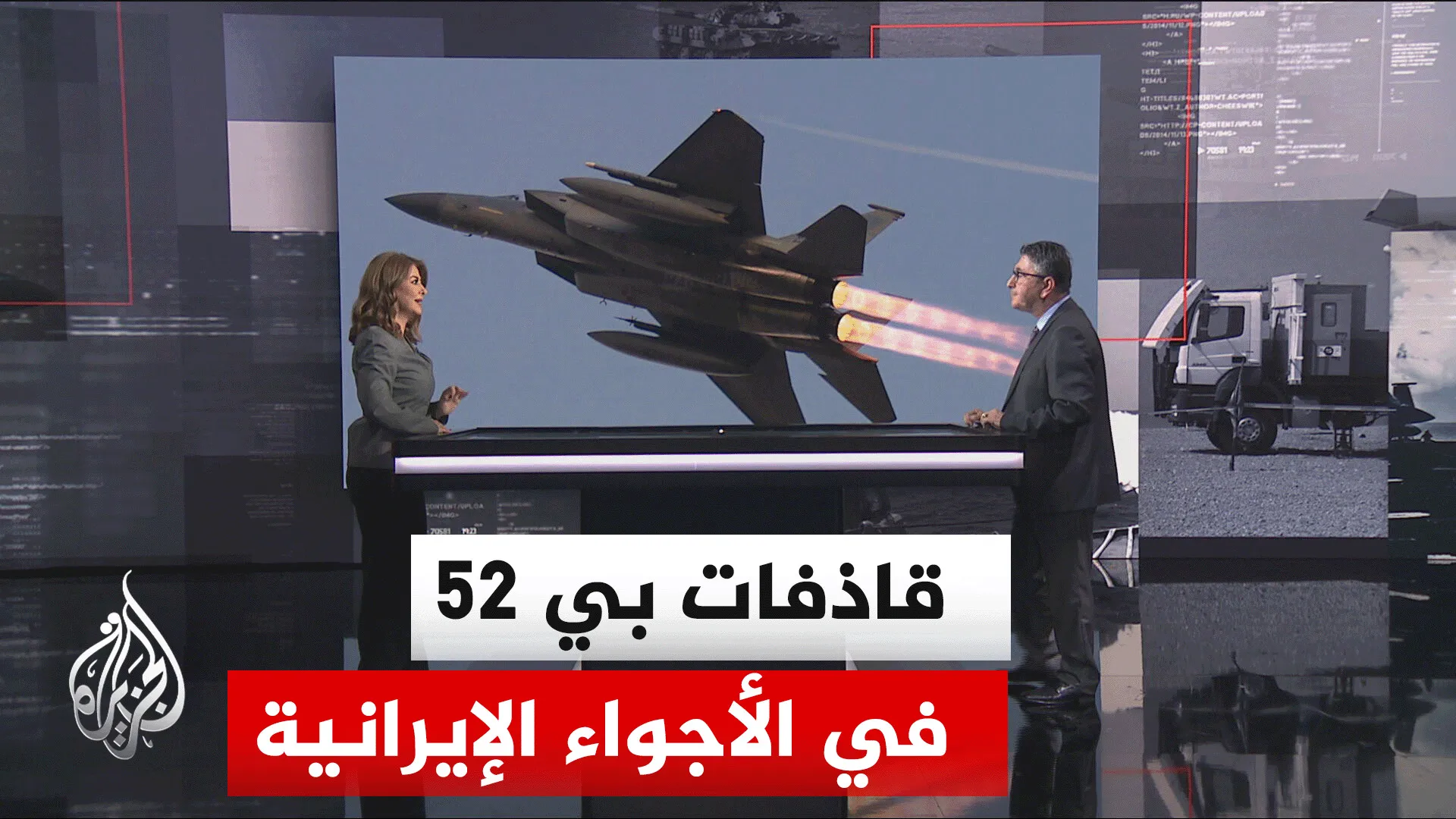
Fears are rising over the escalation of the American-Israeli war against Iran, as American threats loom to target Iranian infrastructure, including power generation stations and vital facilities. This escalation comes at a sensitive time, as the confrontation has entered its second month, raising questions about the potential for a more dangerous phase in the conflict.
The military analysis presented by Brigadier General Hassan Joni from Al Jazeera's studio indicates that the war, which has settled into a pattern of missile exchanges and airstrikes over the past weeks, has not yet witnessed decisive targeting of sensitive infrastructure. Although some energy-related targets have been hit, Joni believes that what has occurred so far falls within the framework of mutual messaging rather than an actual shift in the nature of the war.
Details of the Event
If American threats to comprehensively target electricity, gas, and oil facilities are carried out, it could lead to extensive damage that is difficult to contain, pushing the conflict towards a dangerous slip. The Iranian side is keen to respond within a calculated threshold, maintaining a balance of deterrence without escalating into a full-blown conflict.
On the other hand, Joni points out that the deployment of American B-52 bombers, if confirmed, reflects a potential intention to target heavily fortified sites, rather than just conventional infrastructure. These bombers are designed to strike deep targets such as underground fortified facilities, complicating the military equation further.
Background & Context
Iranian missile cities, scattered within the Zagros mountain ranges, are among the most significant challenges facing the United States and Israel. These facilities provide a fortified infrastructure for launching missiles, allowing Iran to maintain its offensive capabilities despite pressures. Iran also relies on mobile launch platforms that emerge from their hideouts to execute strikes and then quickly return, complicating the task of targeting them.
In a notable field development, Joni addressed reports of the downing of an American fighter jet, whether it was an F-35 or F-15. If this occurs, it would represent a qualitative shift in Iranian air defense capabilities and directly impact the issue of air superiority, which is fundamental to American and Israeli operations.
Impact & Consequences
Any decline in air superiority could prompt Washington to reassess its strategy, possibly resorting to greater escalation, especially with intensified aerial movements in Iranian airspace. The war stands at a crossroads: either moving towards de-escalation and accepting the outcomes of the current confrontation, or slipping into broader escalation through targeting infrastructure and strategic facilities.
This option carries profound military and humanitarian implications that may be difficult to contain, raising concerns in the region and intensifying existing tensions.
Regional Significance
The current developments in the Iranian-American conflict have a direct impact on the Arab region, as they may lead to escalating situations in neighboring countries and increase sectarian and political tensions. Moreover, any military escalation could negatively affect security and stability in the region, necessitating urgent action from Arab countries to avoid the repercussions of this conflict.
In conclusion, the question remains: Will the involved parties succeed in avoiding escalation, or will the war enter a new phase of violence and destruction?