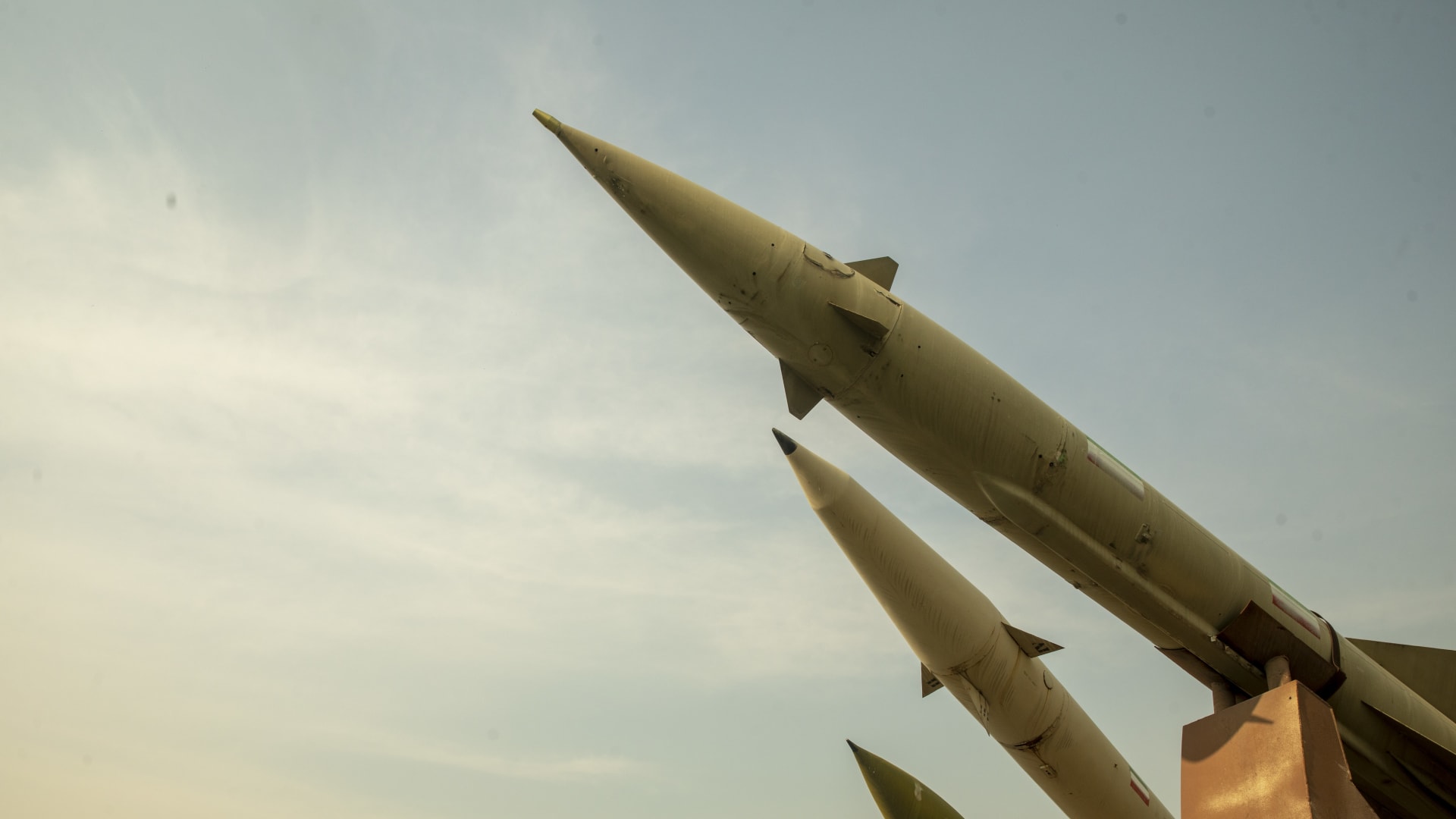
The Israeli Ministry of Health announced today, Monday, that the number of injured since the beginning of the war against Iran has risen to 4713 people, with 153 cases recorded in the last twenty-four hours. The military operation known as 'Lion's Roar' continues to achieve a high casualty rate among civilians and soldiers.
According to the ministry's statement, medical efforts are ongoing to evacuate the injured to hospitals, with 123 individuals currently receiving treatment, including 15 in serious condition, 27 in moderate condition, and 79 with minor injuries. The data indicates that daily injuries included two serious cases, two moderate cases, in addition to 140 minor cases and 8 panic attacks.
Details of the Incident
According to the Israeli National Security Studies Institute, the number of Israeli fatalities since the beginning of the war has reached 18 individuals. The Israeli media is facing immense government pressure to downplay news related to the attacks. Reports indicate strict censorship on information regarding casualties and targeted objectives.
In a related context, the Israeli army confirmed the death of an Israeli near the Lebanese border due to friendly fire, explaining that the incident was caused by an artillery shell supporting Israeli forces operating in southern Lebanon. An investigation has been opened into the circumstances of the incident, which the Northern Command leader described as a 'difficult incident.'
Background & Context
Since February 28, Israel and the United States have been conducting repeated attacks on Iranian military facilities, leading to bloody clashes that have resulted in the deaths of hundreds, including several senior Iranian leaders. This conflict is witnessing a notable escalation, with both Tel Aviv and Tehran employing offensive strategies involving missiles and drones.
In response, Tehran has retaliated by launching missiles and drones towards Israeli territory, along with targeting American bases in the region. These operations have resulted in civilian casualties and significant damage to infrastructure.
Impact & Consequences
The military escalation between Israel and Iran has turned the region into a tense battleground, with neighboring countries and their populations exposed to waves of anxiety and fear. This conflict reflects long-standing historical tensions between the two states, raising questions about the future stability of the region.
Moreover, the current situation complicates international relations in the eastern Mediterranean basin, as global and regional powers enter the equation, potentially affecting the balance of power in the region and increasing the risk of new conflicts.
Regional Significance
Arab countries have been deeply affected by the ongoing confrontations, with many nations reassessing their defensive and economic strategies. The Arab-Iranian conflict undermines hopes for achieving peace and stability in the region, at a time when countries need greater cooperation to face security challenges.
In conclusion, the conflict between Israel and Iran remains a prominent headline highlighting ongoing regional disputes, posing a threat to both regional and international security. The region urgently needs diligent political efforts aimed at calming the situation and achieving peaceful settlements.