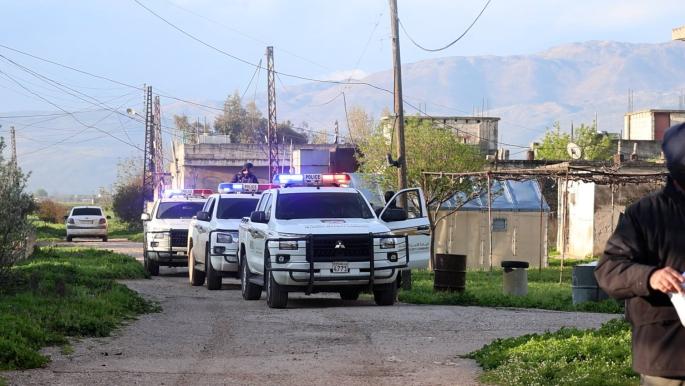
The Hasaka province in northeastern Syria is experiencing a concerning increase in theft crimes, as residents from various cities and towns report that both private and public properties have become easy targets for criminals. This situation has generated considerable anxiety among the local population, who feel insecure in their homes and workplaces.
The forms of theft affecting homes and businesses vary widely, ranging from petty thefts to armed assaults. Many residents have noted a significant rise in these crimes, particularly in light of the deteriorating security conditions in the region.
Details of the Incident
Recently, local reports have documented an increase in the number of complaints filed by citizens regarding theft incidents. Some residents shared their personal experiences, recounting how their homes were broken into and valuable possessions stolen. They also pointed out that some thefts occur in broad daylight, reflecting a weakness in the security measures in place.
Public properties are also affected by these crimes, with instances of theft reported from public facilities such as schools and health centers. This exacerbates the suffering of residents who rely on these facilities for their daily lives.
Background & Context
The Hasaka province has been one of the areas that have witnessed multiple conflicts over the years, leading to a deterioration of security and economic conditions. As the situation worsens, residents find themselves facing new challenges, including rising crime rates.
Historically, Hasaka was a resource-rich area, but ongoing conflicts have resulted in a decline in essential services and an increase in poverty. This context contributes to the spread of theft, as some individuals seek to secure a livelihood through illegal means.
Impact & Consequences
The rise in theft crimes significantly impacts the daily lives of residents, as many feel unsafe in their homes. This sense of insecurity negatively affects economic activity, with merchants hesitant to invest or expand their businesses due to fears of theft.
Moreover, the increase in these crimes may lead to a culture of fear and anxiety among the population, weakening social bonds and increasing divisions within the community.
Regional Significance
The situation in Hasaka exemplifies the challenges faced by many Arab regions suffering from conflicts. The rise in crime in this area could have negative repercussions on regional stability, as these phenomena may spread to other areas experiencing similar conditions.
In a broader context, this situation highlights the urgent need to enhance security and improve living conditions in conflict-affected areas to ensure the stability of local communities.
The increase in theft crimes in Hasaka reflects a painful reality for residents and calls for urgent intervention from relevant authorities to ensure security and protect property.