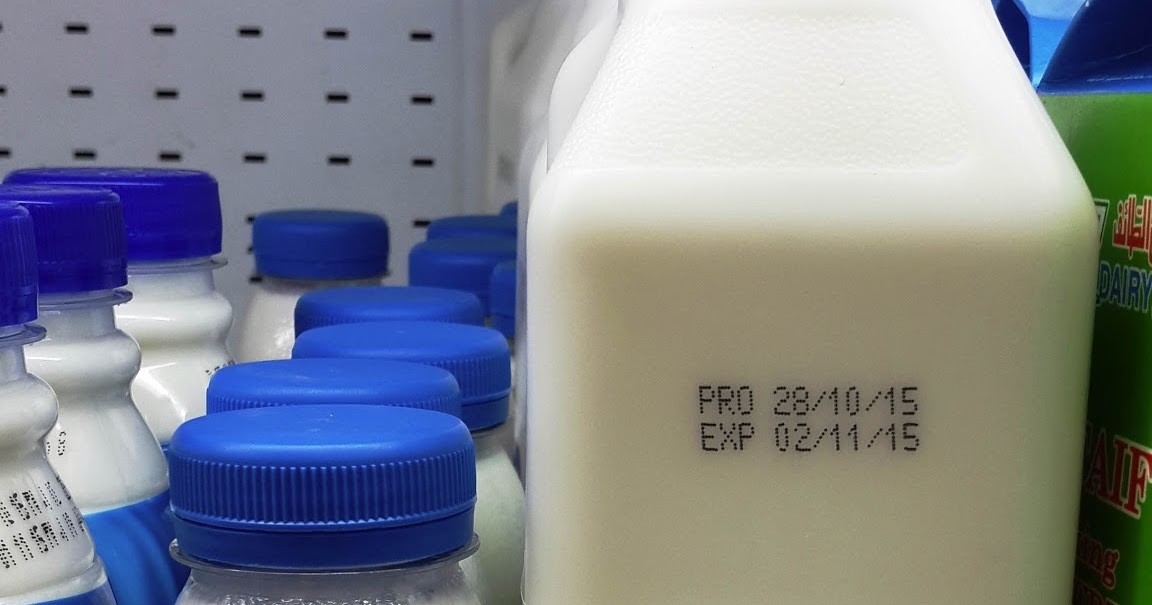
The Northern Borders region of Saudi Arabia has seen a notable rise in the demand for camel milk with the arrival of spring. Abundant pastures and moderate weather have created an ideal environment for camel breeding. This trend reflects the importance of camel milk as a traditional and healthy food product.
Camel milk is considered a rich source of nutrients, containing high levels of vitamins and minerals, making it a preferred choice for many local residents. With the onset of spring, the number of camels in the pastures increases, contributing to higher milk production and meeting the growing demand from consumers.
Event Details
In recent years, the Northern Borders region has witnessed an increase in the number of camel farms, as farmers strive to improve production quality and expand marketing efforts. With improved climatic conditions, it has become possible to obtain camel milk continuously, enhancing its position in local markets.
Camel milk is part of the cultural heritage of the region, used in many traditional dishes. It also has multiple health benefits, making it a preferred choice for many, especially with the rising health awareness among the population.
Background & Context
Historically, camel milk was used as a staple food in nomadic communities, considered a primary source of protein and fats. Over time, interest in camel milk has increased in major cities, as people have begun to recognize its health benefits.
Camels are found in various regions of the Kingdom, but the Northern Borders is known as one of the most famous areas for camel breeding. With the climatic changes observed in the region, it has become essential to develop new methods for camel breeding to ensure sustainable production.
Impact & Consequences
The increasing interest in camel milk is an indicator of the success of efforts to enhance local production. This trend could contribute to improving the local economy by increasing job opportunities in the agriculture and camel breeding sectors.
Furthermore, this demand may open new avenues for export, enhancing the Kingdom's position in global markets. With the growing demand for healthy and natural products, this trend is expected to continue to grow.
Regional Significance
Camel milk is part of the food culture in many Arab countries, used in preparing traditional dishes. With the increasing awareness of the benefits of camel milk, this trend could enhance cooperation among Arab countries in the fields of agriculture and camel breeding.
Moreover, boosting camel milk production could contribute to achieving food security in the region, as it is an important food source that can be relied upon to face future food challenges.
In conclusion, the increasing interest in camel milk in the Northern Borders highlights the importance of this traditional product in enhancing the local economy and achieving food security. With ongoing improvements in breeding and production methods, camel milk could become one of the leading products in local and global markets.