Pressure is mounting within the White House on President Donald Trump to find a diplomatic exit from the war with Iran, as his advisors have warned him that the continued conflict could lead to a heavy electoral price for the Republican Party in the upcoming midterm elections.
In the fifth week of the war, U.S. forces targeted the Karaj Bridge, the largest in Iran, in a military strike that sparked widespread controversy. Trump appeared to boast about this strike, warning Tehran that more bridges would meet the same fate if they did not hasten to reach an agreement.
Details of the Event
In light of these developments, the White House re-shared a video clip of Trump affirming that the diplomatic option remains the best at all times. Al Jazeera correspondent, Wajd Wakfi, reported on what was published by the American magazine Time in an extensive report titled: "Inside Trump's Search for an Exit from the War," where one of Trump's close associates, who specializes in polling, stated that the continuation of the war threatens Trump's popularity and the future of the Republican Party.
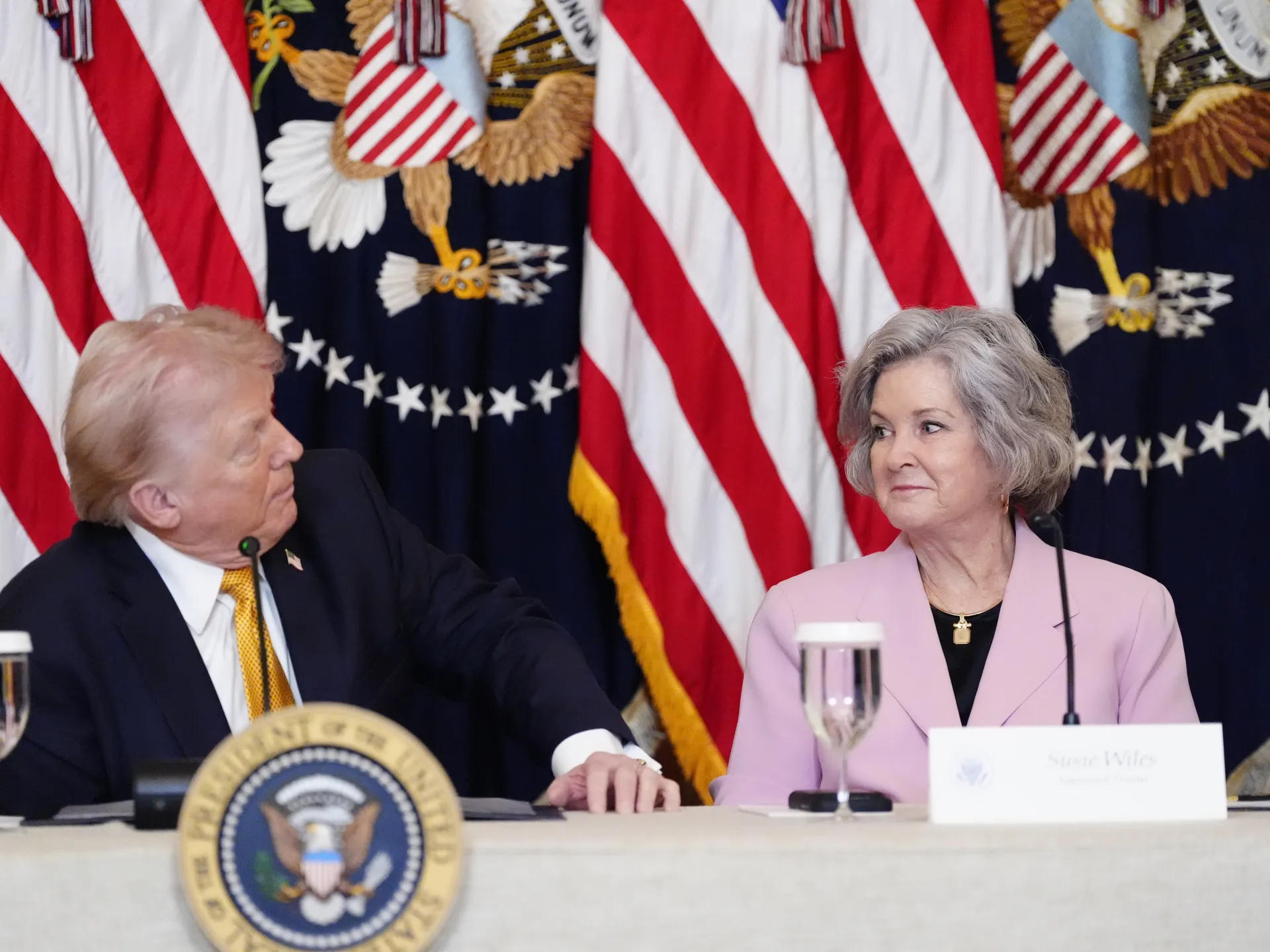
This warning prompted a meeting among Trump's advisors in the third week of the war, where White House Chief of Staff Suzy Wiles urged the advisors to stop presenting a rosy picture of the war and to inform Trump of what he needs to hear rather than what he wants to hear.
Context and Background
Reports indicate that when Trump listened to a more grim picture of the war's progress, he realized that Iran was still capable of launching missiles and targeting Israel and its allies in the region. This realization led him to redirect his attention towards negotiations and the diplomatic path, considering it the shortest way out of the impasse.
Political pressures are compounded by increasing economic factors, as oil and fuel prices continue to rise, negatively affecting American public sentiment. Polls, such as those conducted by CNN, have shown that Trump's popularity has dropped to a record low of 31%, increasing the urgency to find an exit.
Impact and Consequences
These data indicate that Trump is operating on two parallel tracks: the first is military, where he continues military strikes and threatens more as a means of pressure, and the second is diplomatic, through which he seeks to reach a deal that ends the war or freezes the confrontation before its economic and electoral repercussions become an unbearable burden.
This situation reflects a state of political instability in the United States, where Trump faces increasing challenges from within his party, which may affect his strategy in dealing with foreign issues.
Impact on the Arab Region
The repercussions of the war on Iran extend beyond American borders, as it may affect stability in the Arab region. The continuation of the conflict could escalate tensions between Iran and Gulf countries, threatening regional security and exacerbating existing conflicts.
Under these circumstances, Arab countries must closely monitor developments, as the outcomes of this war could impact political balances in the region and reshape existing alliances.
In conclusion, amid increasing pressures, it seems that Trump faces two difficult choices: either continue military escalation that could cost him politically, or seek a diplomatic exit that guarantees him some gains before the midterm elections.