Several Chinese manufacturers have announced their intention to increase prices for their products in the U.S. market as a result of the sharp rise in oil prices stemming from the ongoing conflict in Iran and the closure of the Strait of Hormuz. One producer, Davy Wei, confirmed that prices for pickleball paddles could rise by as much as 20%, noting that the costs of raw materials have significantly increased.
At a trade fair held in Beijing, Wei, who founded Hojin Trading, explained that the materials used in manufacturing his products rely on polypropylene, a plastic derived from oil. With oil shipments through the Strait of Hormuz halted, concerns are growing among Chinese manufacturers about the impact on global supply chains.
Details of the Situation
Fears are mounting that the ongoing conflict in Iran could lead to further increases in oil prices, which would, in turn, affect the prices of all types of products that rely on oil for their manufacturing. James Li, who produces scarves, stated that he has raised his product prices by 5%, indicating that one-third of his sales go to the U.S. market.
Wang Mingming, general manager of Jinming Gifts, pointed out that he has a two-month stock of PVC, but he is unsure if he can avoid raising prices on his figurines. He confirmed that the materials used in their production cannot be easily substituted, which adds to the pressure on companies.
Background & Context
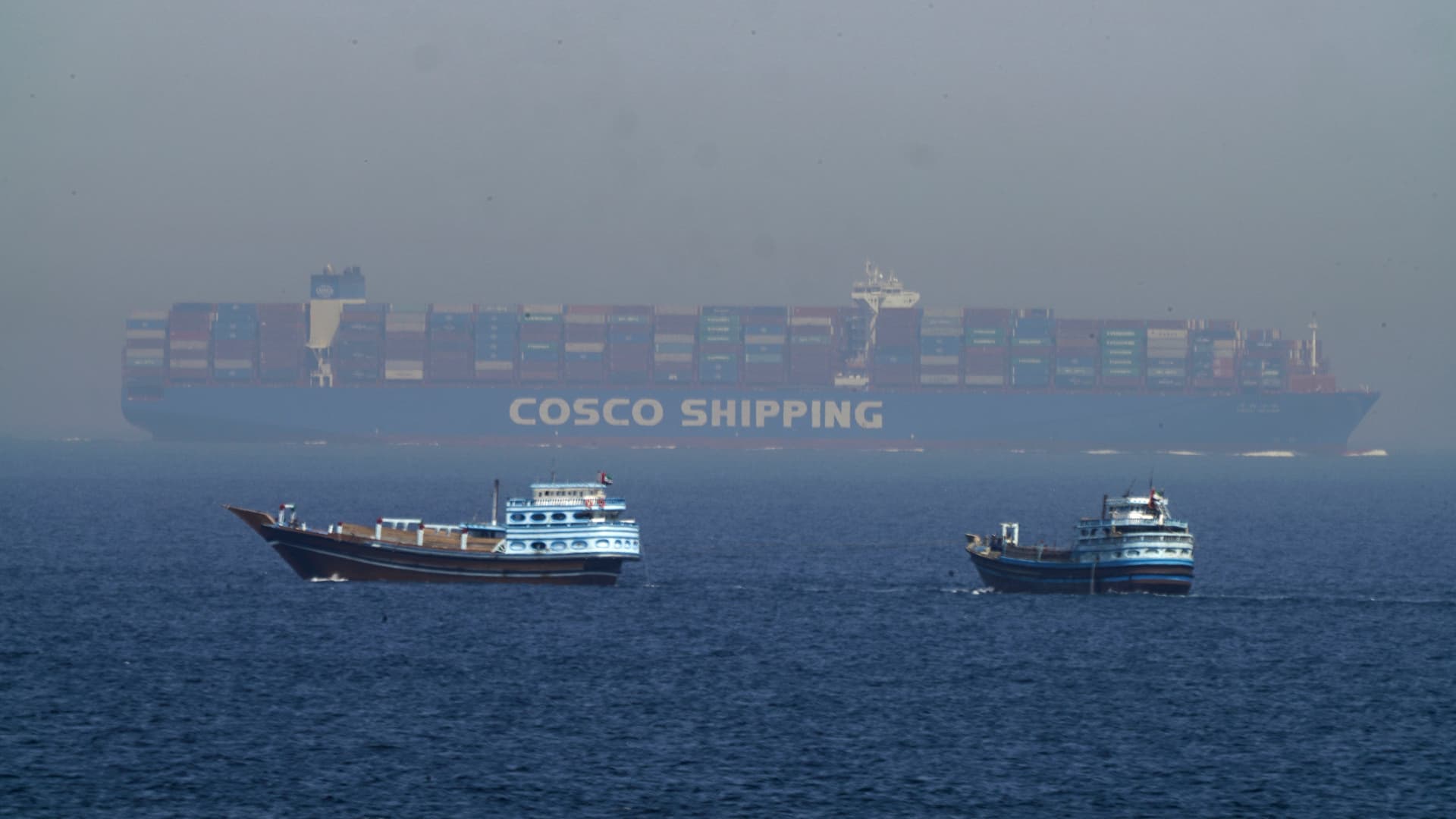
The Strait of Hormuz is one of the most important maritime passages in the world, through which approximately 20% of total global oil shipments pass. The region has seen increasing tensions in recent years, especially with the escalation of conflict between Iran and the United States, leading to heightened risks for shipping movements.
Historically, oil prices have been significantly affected by political events in the Middle East, where Iran is considered one of the largest oil producers in the world. As the conflict escalates, it has become clear that any closure of the Strait of Hormuz will have negative repercussions on the global economy.
Impact & Consequences
Cameron Johnson, a principal partner at Tidalwave Consulting, predicted that the ongoing crisis in the Strait of Hormuz would lead to competition among industries for oil-related products. He noted that the situation could result in shortages of products if the closure persists for an extended period, affecting many sectors, including automotive and healthcare.
He also added that rising oil prices would impact consumers' purchasing power worldwide, meaning that more money allocated for fuel would reduce spending on recreational products like pickleball. Wei emphasized that ordinary individuals are the most affected by rising oil prices, as their purchasing power is no longer what it used to be.
Regional Significance
Oil-producing Arab countries, such as Saudi Arabia and the United Arab Emirates, are in a position to benefit from rising oil prices. However, the continuation of tensions in the region could negatively affect economic stability in neighboring countries, creating additional challenges.
Ultimately, the question remains open regarding how these events will impact the global market and whether oil-producing countries will be able to stabilize prices under these volatile conditions.