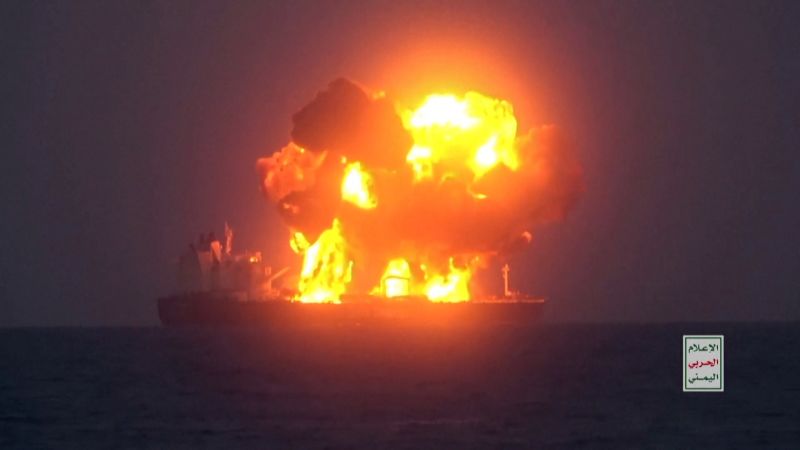
The transit of oil from Saudi Arabia to Asia via the Red Sea has become increasingly vulnerable following the Houthis' involvement in the Middle East conflict. This development raises concerns about the stability of global oil supplies, as the Red Sea is one of the vital routes for transporting crude oil to Asian markets.
Saudi Arabia is one of the largest oil producers in the world and plays a pivotal role in securing energy supplies for global markets. With rising tensions in the region, this route faces new challenges that could affect oil prices and market stability.
Details of the Situation
Concerns have grown that potential attacks from the Houthis, who control parts of Yemen, may target oil tankers in the Red Sea. Reports have indicated that the Houthis have already launched attacks on maritime targets, raising alarms about the safety of maritime transport in this strategic area.
In recent years, the region has witnessed an escalation in armed conflicts, impacting trade and transport movements. These events have led to increased insurance costs for ships, which may reflect on global oil prices.
Background & Context
Historically, the Red Sea has been considered a safe corridor for oil transport, but ongoing conflicts in the region, including the war in Yemen, have altered this reality. The Houthis, who receive support from Iran, are seeking to expand their influence in the area, complicating the security situation further.
Saudi Arabia and Iran are historical rivals, and their conflict extends into multiple domains, including politics and economics. This rivalry directly affects the stability of oil markets, as Saudi Arabia is one of the largest exporters while Iran seeks to boost its exports amid sanctions.
Impact & Consequences
If risks in the Red Sea persist, they could lead to a significant increase in oil prices, impacting the global economy. Many countries depend on Saudi oil, and any disruption in supplies could lead to unprecedented price hikes.
Moreover, trade relations between oil-producing and consuming countries may be affected, as nations might seek alternatives for oil transport. This could lead to changes in global energy strategies and increase reliance on alternative transport routes, such as through the Mediterranean Sea or via pipelines.
Regional Significance
Arab countries, especially those reliant on oil exports, find themselves in a sensitive position. Any escalation in conflict could affect the stability of these nations and increase internal tensions. Rising oil prices could also impact citizens' purchasing power, adding to economic pressures.
At the same time, some Arab countries may seek to enhance security cooperation among themselves to address common threats. This cooperation could involve intelligence sharing and strengthening military capabilities to protect maritime corridors.
The increasing risks in the Red Sea pose a significant challenge for the region and the world. The current situation requires a swift and effective response from the concerned countries to ensure the stability of oil supplies and protect economic interests.