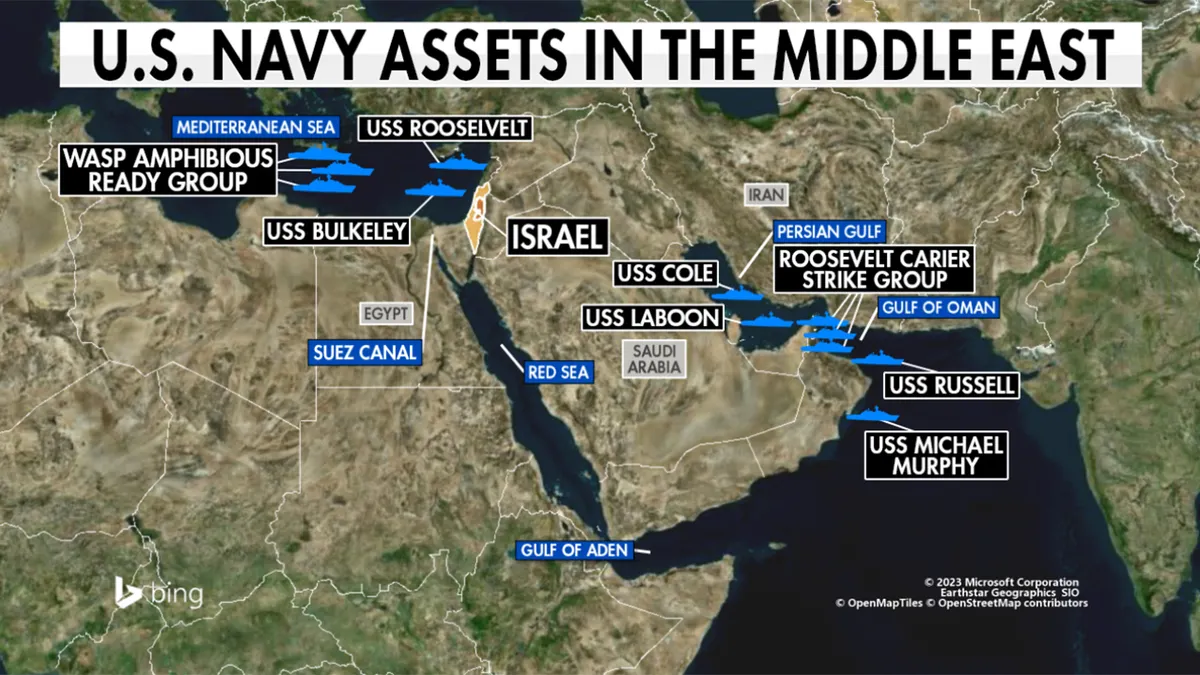
The number of US troops deployed in the Middle East has surpassed 50,000, coinciding with rising threats from the US administration regarding a possible ground attack on Iran. This move is part of Washington's strategy to bolster its military presence in the region amid escalating tensions with Tehran.
The United States aims to send a clear message to Iran through this military enhancement, indicating that any escalation on its part will be met with a strong military response. Military sources have confirmed that this deployment comes amid concerns over Iran's nuclear activities and its interference in the internal affairs of regional countries.
Details of the Deployment
According to military sources, the number of US troops in the Middle East has significantly increased in recent weeks, with additional units sent to Iraq and Syria. This military deployment occurs at a sensitive time, as Iranian military activities in the region are on the rise, including support for armed militias in Iraq and Syria.
There are also reports suggesting that the United States may be considering limited military operations against Iranian targets if Tehran continues to defy international sanctions. In this context, US officials have stated that military options remain on the table, and decisions will be made based on the evolving situation.
Background & Context
Historically, relations between the United States and Iran have been marked by increasing tensions since the Islamic Revolution in 1979. Since then, Washington has imposed strict economic sanctions on Tehran, exacerbating the economic and political situation in the country. In recent years, these tensions have escalated further, especially following the US withdrawal from the Iranian nuclear deal in 2018.
Iran is considered one of the main countries that the United States seeks to contain in the region, as Tehran supports numerous armed militias that threaten the stability of countries like Iraq, Syria, and Lebanon. This situation complicates the United States' ability to achieve its strategy in the Middle East without taking concrete military steps.
Impact & Consequences
This move is expected to escalate tensions in the region, as Iran may respond to any US attack with military operations against American interests or its allies. Additionally, this military presence could affect regional security, leading to more unrest and conflicts.
Furthermore, the increase in US military presence may polarize regional countries between supporters and opponents of US policy, complicating the political landscape in the Middle East. These developments could also impact oil prices and financial markets, as investors react to any news related to military tensions.
Regional Significance
Arab countries neighboring Iran, such as Iraq and Saudi Arabia, find themselves in a highly sensitive position. Any military escalation could directly affect the stability of these nations. There are also concerns that this situation could lead to increased Iranian interventions in the internal affairs of Arab countries, threatening regional security.
Ultimately, the question remains as to how Arab countries will respond to these developments and whether they will be able to balance their national interests with the pressures from major powers like the United States and Iran.