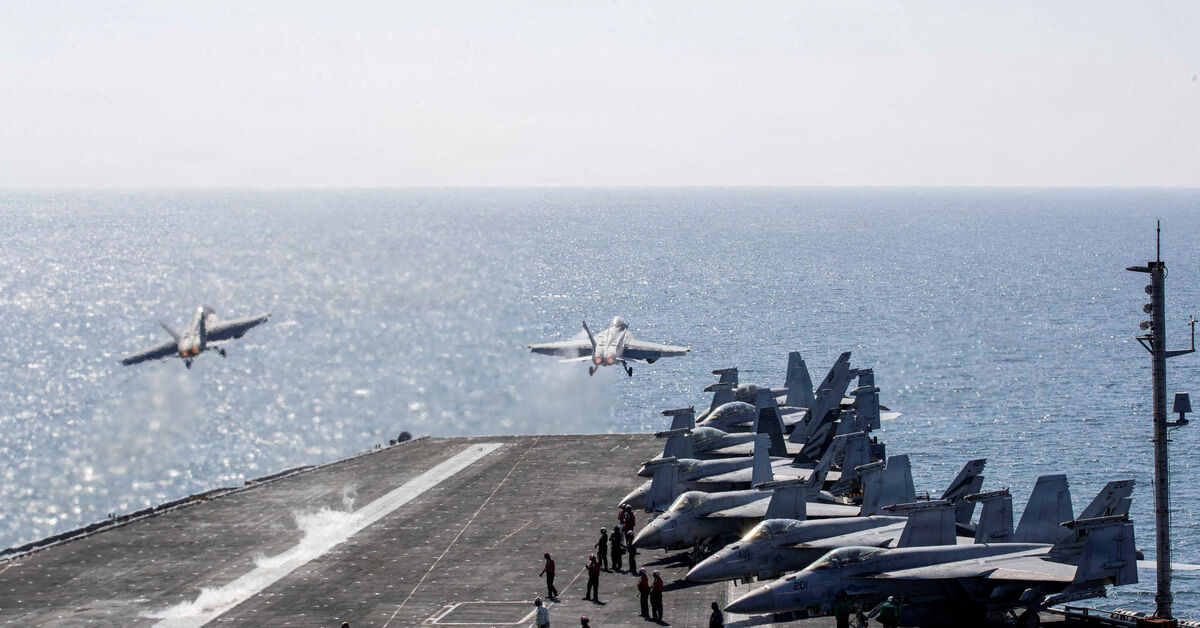
In a move reflecting escalating tensions in the region, the US Army's 82nd Airborne Division has started to arrive in the Middle East, with two American officials reporting that thousands of soldiers have already reached the area. This military reinforcement comes at a sensitive time as President Donald Trump weighs his military options amid rising tensions with Iran.
Initial reports published by Reuters on March 18 indicated that the Trump administration was contemplating the deployment of thousands of additional troops in the region, potentially opening the door to military options that include the possibility of deploying forces within Iranian territory. This move is part of a broader strategy to counter Iranian activities that the United States considers a threat to regional security.
Details of the Deployment
The 82nd Airborne Division is regarded as one of the elite military units in the US Army and has been deployed in various contexts around the world. The arrival of these forces in the Middle East underscores the United States' commitment to enhancing its military presence in the region, especially amid increasing tensions with Iran. This step could lead to heightened pressure on Tehran, which is already facing severe economic sanctions.
This move comes at a critical juncture, with fears of a potential military escalation between the United States and Iran on the rise. Many analysts believe that the presence of additional US troops could increase the likelihood of direct confrontation, which may adversely affect stability in the region as a whole.
Background & Context
Historically, US-Iranian relations have seen increasing tensions since the Islamic Revolution in Iran in 1979. Since then, the United States has adopted a policy of containing Iran, which has included imposing economic sanctions and supporting allies in the region to counter Iranian influence. In recent years, these tensions have notably escalated, particularly following the US withdrawal from the Iranian nuclear deal in 2018.
The current military escalation is part of the US response to increasing Iranian threats, including its support for militias in Iraq and Syria, as well as its nuclear program. These dynamics make it difficult to predict what may happen in the near future.
Impact & Consequences
The increase in US military presence in the Middle East could have significant implications for regional security. This step is likely to escalate tensions between the United States and Iran, which may negatively impact neighboring countries. Additionally, the presence of more US troops could provoke reactions from Iran and its allies in the region, potentially leading to escalated armed conflicts.
Moreover, these movements could affect global oil markets, as any military escalation in the region could lead to rising oil prices due to fears of supply disruptions. This situation could impact the global economy as a whole and increase pressures on oil-importing countries.
Regional Significance
For Arab countries, the increase in US military presence may signify enhanced American support for its allies in the region, such as Saudi Arabia and the United Arab Emirates. These countries may view this move as an opportunity to bolster their security strategies against Iranian threats.
However, military escalation could also exacerbate conditions in conflict areas such as Iraq and Syria, where military operations may increase and conflicts may intensify. Ultimately, the situation in the Middle East remains complex and requires effective diplomacy to avoid further escalation.