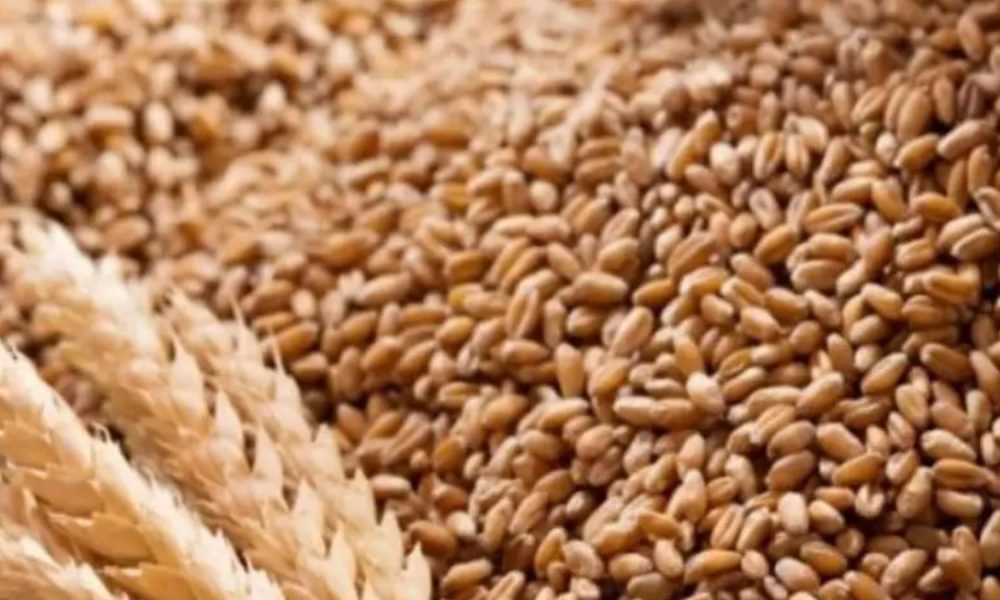
The Egyptian Ministry of Supply and Internal Trade has announced an increase in wheat supply prices to 2500 EGP per ardeb, as part of efforts to support farmers and enhance local production. This decision comes after a series of meetings that discussed the challenges farmers face under the current economic circumstances.
The government aims to improve the conditions of farmers, many of whom are suffering from rising production costs. The ministry has confirmed that this increase will encourage farmers to cultivate more land with wheat, thereby enhancing the country's self-sufficiency.
Details of the Announcement
This price increase follows a thorough study of both local and global market conditions, where wheat prices have seen a significant rise in international markets. The Minister of Supply clarified that this decision is part of a comprehensive plan to support the agricultural sector and achieve food security.
It was also emphasized that the government will work to provide all agricultural supplies to farmers at reasonable prices, contributing to increased productivity and improved crop quality. This decision is expected to help reduce the gap between supply and demand in the local market.
Background & Context
Historically, wheat is considered one of the strategic crops in Egypt, heavily relied upon in the national diet. In recent years, the country has faced several challenges related to agricultural production, prompting the government to take measures to improve the situation.
In previous years, there have been multiple attempts to increase local wheat production; however, economic and environmental challenges have hindered those efforts. Nevertheless, the current price increase may be a positive step towards achieving stability in this vital sector.
Impact & Consequences
This increase in wheat supply prices is expected to positively affect farmers, as it will increase their income and help them cope with rising costs. Improving farmers' conditions may lead to increased local production, thereby reducing reliance on imports.
On the other hand, this increase may raise concerns among consumers regarding the potential rise in bread and other food product prices. Therefore, the government must closely monitor the market to ensure that traders do not exploit this increase.
Regional Significance
Egypt is one of the largest consumers of wheat in the Arab region, and thus any changes in wheat supply policy may impact regional markets. Amid the economic crises faced by some Arab countries, this step could serve as a model for supporting farmers in those nations.
Furthermore, enhancing local wheat production could contribute to achieving food security in the region, reducing reliance on imports and strengthening economic stability.
The Ministry of Supply's decision to raise wheat supply prices is a significant step towards supporting farmers and improving local production. However, it requires careful monitoring to ensure that it does not negatively affect consumers.