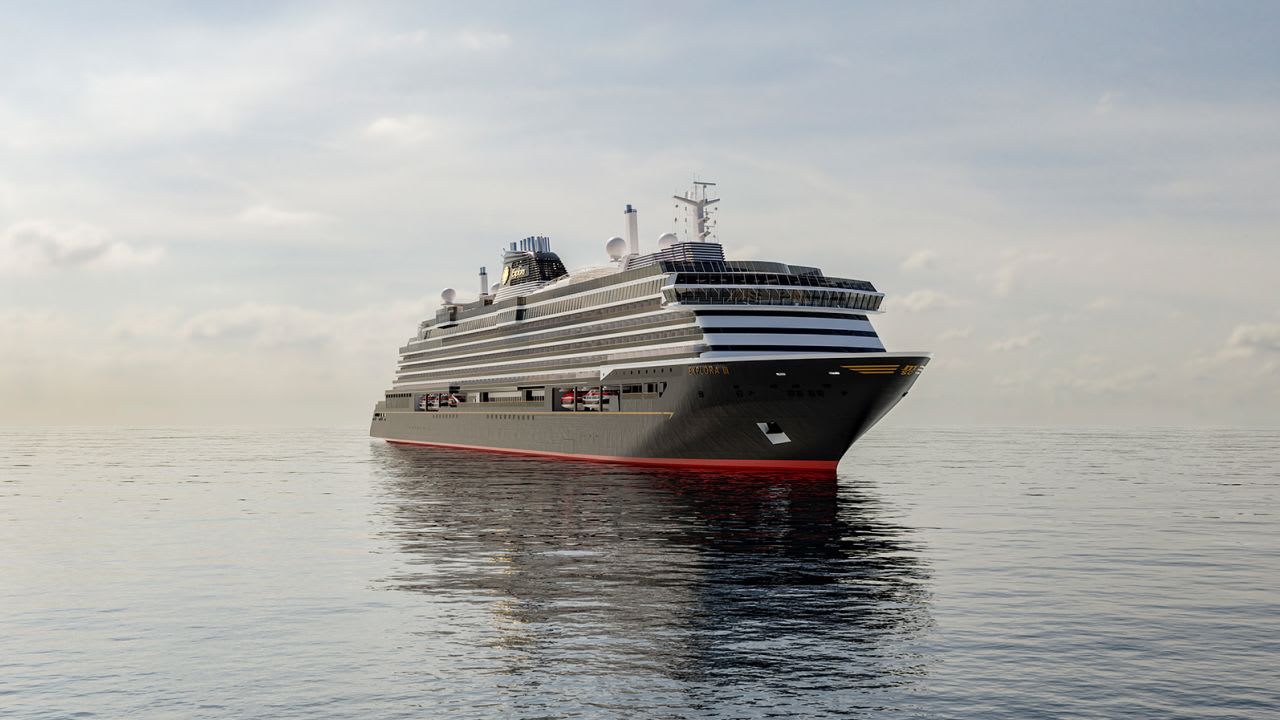
Two ships, one flying the flag of India, are transporting liquefied natural gas through the Strait of Hormuz, taking a route that closely skirts the Iranian coast, a region recognized as one of the most strategically significant points in the world.
This movement occurs against the backdrop of escalating regional tensions, which have recently intensified due to the strained relations between Iran and Western nations, particularly the United States.
Details of the Incident
The vessels, according to shipping tracking data, are following a course near Iranian waters, indicating the strategic and security significance of the Strait, regarded as a principal artery for the transport of oil and gas. The Strait of Hormuz is used for transporting around 20% of the world's oil supplies, and this trend is felt amid a potential increase in shipments from the Arabian Gulf to global markets.
This incident is part of larger movements in the global energy market, where several nations are competing for a prominent position in gas and oil supplies.
Background & Context
The Strait of Hormuz, located between Iran and Oman, has long been a hotspot for geopolitical tension, witnessing numerous crises and questions about navigation safety. Commercial and military vessels have faced many incidents and tensions in recent years stemming from the tensions between Washington and Tehran, some of which manifest in the ongoing dispute over Iran's nuclear program.
The gas ships currently passing through the strait reflect a balance of power, as India seeks to strengthen its position as a major importer of energy sources while international pressures continue on Iran.
Impact & Consequences
These transport operations through the Strait of Hormuz carry significant implications for gas and oil prices, as any changes in navigation patterns or security in the region greatly influence global prices. This could impact the energy policies of importing countries, including Arab states that heavily rely on their energy imports.
Furthermore, the continuity of oil flows through this strait could bolster the position of energy-producing countries in the face of upcoming global energy crises, leading traders and investors to consider alternative sources in the event of any unexpected fluctuations in the region.
Regional Significance
The Arab region is vital within the global energy framework, where gas and oil serve as a foundational pillar in Arab economies. Arab nations are keenly interested in developments within the Strait of Hormuz, as their economic struggles are directly linked to the impacts of any tensions in this vital strait.
The course of the Indian gas ships reflects multiple efforts to enhance energy investment and cooperation between Gulf nations and Asia, possibly opening new opportunities for regional collaboration in the energy sector. Some Arab countries are seeking to strengthen cooperation ties with India in areas of energy, trade, and politics, which could enhance stability in the region amid changing global economic circumstances.