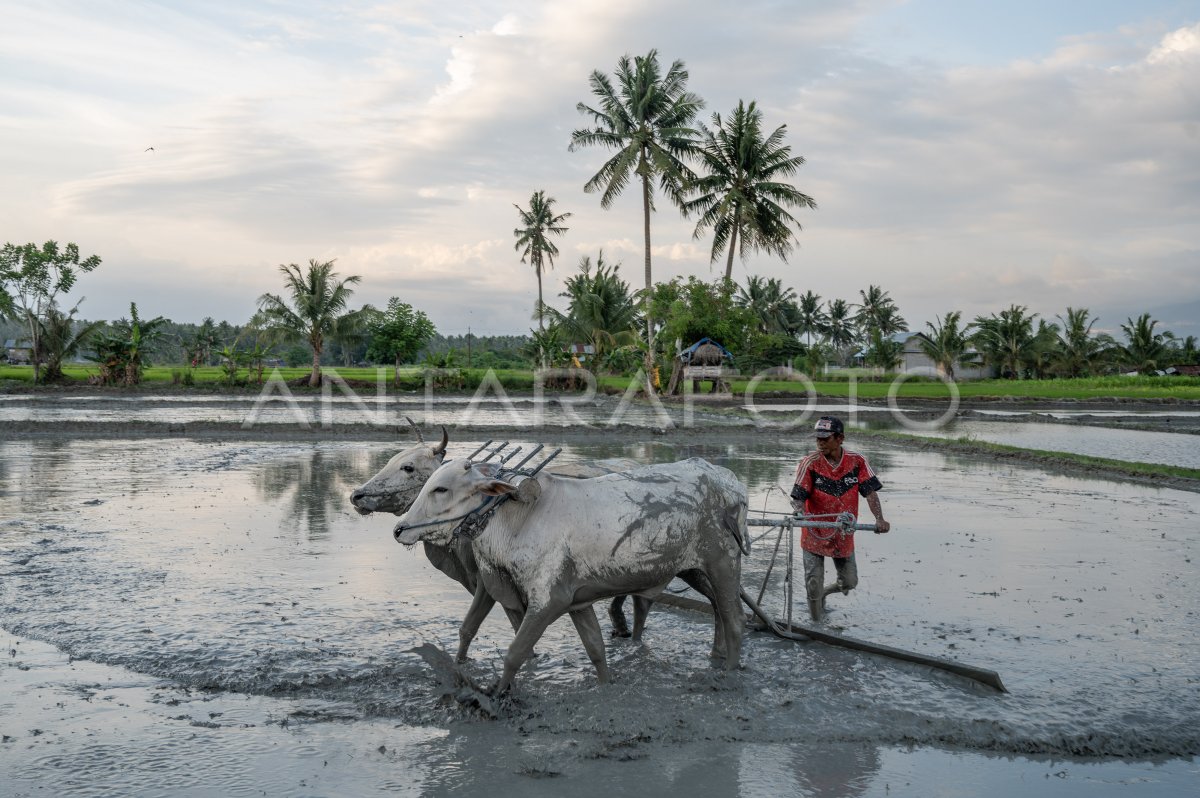
Indonesian Agriculture Minister Andi Amran Sulaiman announced that Indonesia has achieved a record surplus in rice production, reaching unprecedented levels. This achievement is part of the government's efforts to enhance food security and develop the agricultural sector in the country.
Sulaiman noted that the surplus in rice production will contribute to stabilizing food prices, positively impacting the lives of citizens. The minister also emphasized the importance of developing derived agricultural products, such as processed foods from rice, to enhance the added value to the local economy.
Details of the Achievement
According to reports, Indonesia has achieved a rice production surplus of approximately 3.5 million tons, representing a significant increase compared to previous years. This surplus reflects the ongoing efforts by the government to improve agricultural techniques and increase farm productivity.
Sulaiman indicated that the government will work to enhance training programs for farmers and provide them with technical support, which will help improve crop quality and increase production. This initiative is part of the government's vision to achieve self-sufficiency in food supplies.
Background & Context
Historically, Indonesia has heavily relied on rice imports to meet its food needs. However, new agricultural policies implemented in recent years have contributed to changing this situation. The Indonesian government has launched several initiatives to support farmers, including the provision of high-quality seeds and fertilizers.
Over the years, Indonesia has witnessed significant transformations in the agricultural sector, becoming one of the largest rice producers in the world. This success reflects the continuous efforts to improve agricultural infrastructure and enhance agricultural technology.
Impact & Consequences
Achieving a surplus in rice production has positive effects on the Indonesian economy. This surplus will help reduce reliance on imports, thereby enhancing economic stability and reducing price volatility. Additionally, the development of derived agricultural products will contribute to creating new job opportunities in the agricultural sector and related industries.
Moreover, this surplus may open new avenues for export, strengthening Indonesia's position in global markets. The government hopes that this achievement will attract foreign investments in the agricultural sector.
Regional Significance
Considering the food situation in the Arab region, Indonesia's experience can serve as a model to emulate. Many Arab countries face challenges in securing their food needs and could benefit from exchanging experiences with Indonesia in agriculture. Strengthening agricultural cooperation between Arab countries and Indonesia could contribute to improving food security in the region.
In conclusion, Indonesia's success in achieving a record surplus in rice production represents an important step towards enhancing food security and economic development, reflecting the significance of investing in the agricultural sector as a means to achieve economic sustainability.