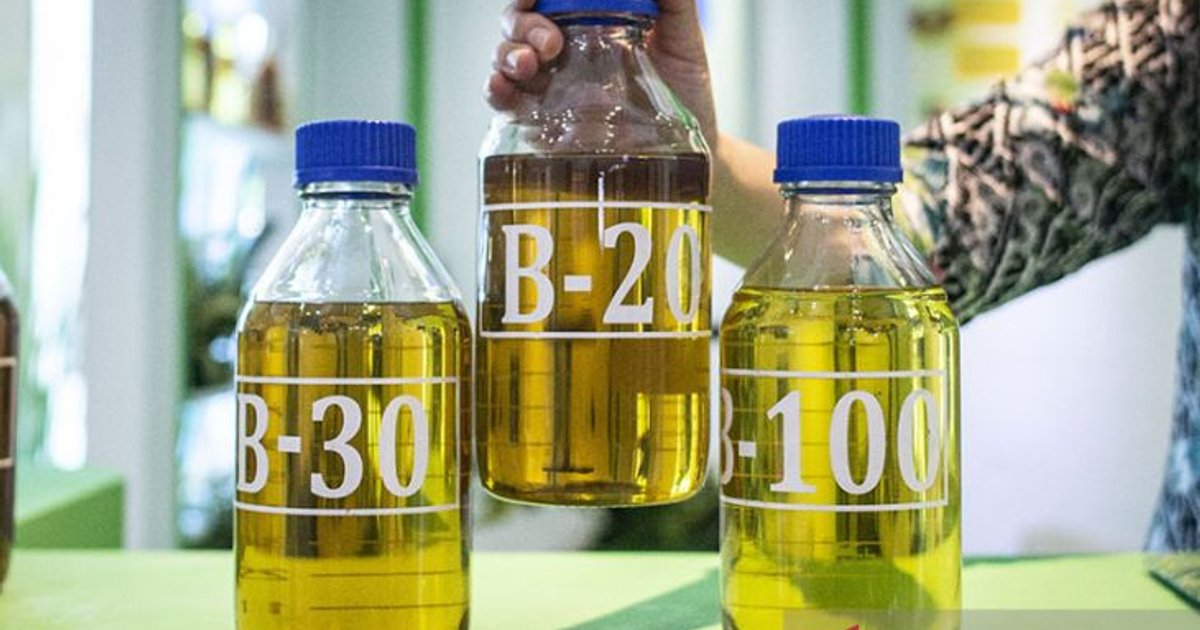
Indonesian Agriculture Minister Andi Amran Sulaiman announced the allocation of approximately 3.5 million tons of crude palm oil (CPO) to support the B50 biofuel program, which will commence on July 1, 2026. This initiative is part of the government's efforts to enhance energy security and reduce dependence on diesel imports, reflecting Indonesia's commitment to promoting sustainability in the energy sector.
During a press conference in Makassar, South Sulawesi, Sulaiman explained that this policy is part of the implementation of the B50 program, which aims to increase the use of sustainable energy based on agriculture. He emphasized that Indonesian President Prabowo Subianto has issued clear directives regarding this matter.
Details of the Initiative
Indonesia, which controls approximately 60% of the global palm oil market, seeks to balance export needs with domestic usage. Recently, Indonesian palm oil exports rose from 26 million tons to 32 million tons, reflecting an increase in national production. Of this amount, 3.5 million tons will be redirected to support the B50 program.
This production increase is attributed to rising global palm oil prices, which have encouraged farmers to enhance their production and take better care of their plantations. Sulaiman asserts that this move will not adversely affect export performance; rather, both aspects can develop simultaneously.
Background & Context
Indonesia is one of the largest producers of palm oil globally and has taken several steps to bolster this sector. In recent years, there have been increasing efforts to reduce dependence on fossil fuels by promoting the use of biofuels. The B50 program is part of this strategy, aiming to cut fossil fuel usage by 4 million kiloliters annually.
This policy also includes providing support to farmers by improving agricultural product prices, thereby enhancing the living standards of farmers and increasing economic activity in palm oil-producing regions.
Impact & Consequences
The B50 program is expected to have positive impacts on the Indonesian economy, contributing to a reduction in reliance on diesel imports and enhancing the country’s energy independence. Additionally, this step will assist the government in achieving its environmental sustainability goals.
The Indonesian government is collaborating with several ministries to ensure the effective implementation of this program, including the Ministry of Energy and Mineral Resources. The program is anticipated to yield dual benefits by enhancing energy security and increasing farmers' income.
Regional Significance
This initiative is significant for Arab countries seeking to enhance their energy sustainability. Indonesia can serve as a model for utilizing agricultural resources to produce energy, opening new avenues for Arab nations with substantial agricultural resources. These policies could also foster cooperation between Arab countries and Indonesia in sustainable energy sectors.
In conclusion, the B50 program represents a strategic step towards achieving energy security in Indonesia and reflects the government's commitment to enhancing sustainability in the energy sector. This program is expected to have positive impacts on the local economy and the living standards of farmers, thereby strengthening Indonesia's position in the global market.