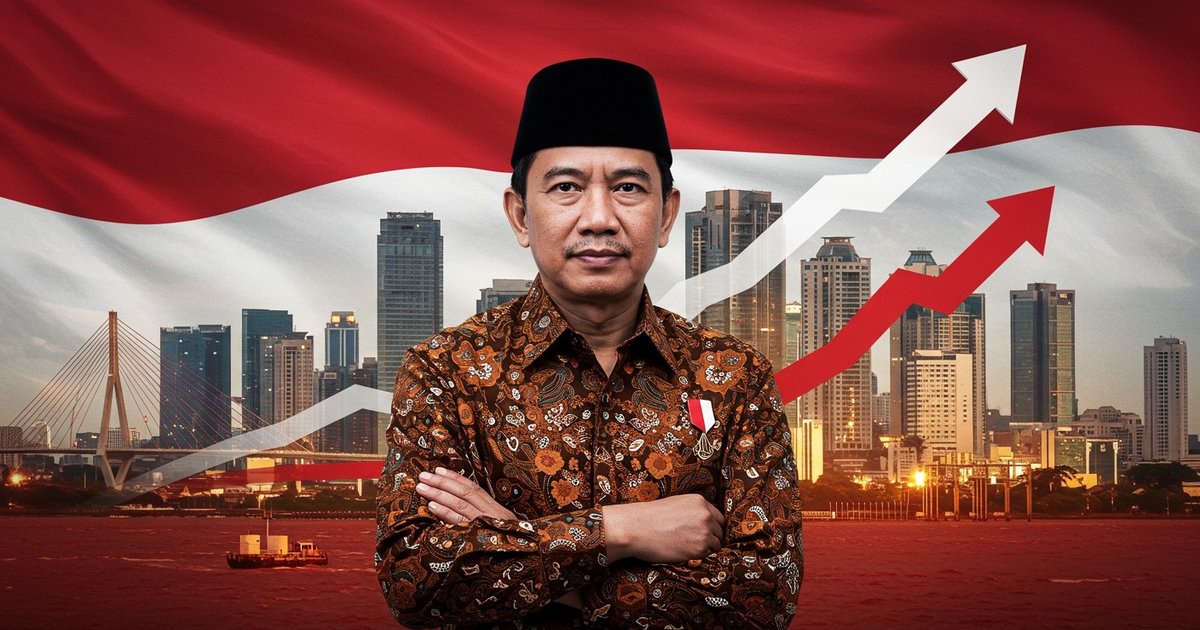
In a move reflecting Indonesia's commitment to broad economic reforms, President Joko Widodo stated during the Indonesia-Japan forum held in Tokyo that his country aims to transform its economic model from reliance on raw material exports to bolstering local manufacturing. This initiative is part of the Indonesian government's efforts to attract foreign investments and enhance international partnerships.
In his speech to Japanese business leaders, Widodo clarified that Indonesia aims to achieve genuine reforms that include improving natural resource management and strengthening the economy. He emphasized that the Indonesian people are looking for a clean and effective government, pointing out the importance of establishing the rule of law as part of these reforms.
Event Details
During the forum, Widodo noted that the economic transformation Indonesia seeks involves focusing on value-added processing (converting raw materials into finished products) and industrialization. He asserted that Indonesia cannot continue to rely solely on raw material exports but must invest in developing its local industries. He also stressed the need to protect vital minerals as strategic assets to ensure the well-being of future generations.
Widodo also addressed the importance of environmental preservation, urging the international community to support efforts to reforest damaged forests. He affirmed that protecting forests is not just a local responsibility but a global duty to maintain the health of the planet.
Background & Context
Historically, Indonesia has heavily relied on raw material exports, making it vulnerable to global market fluctuations. With increasing economic and environmental pressures, the Indonesian government has begun taking serious steps toward achieving sustainable development. These reforms come at a critical time as Indonesia seeks to enhance its position as an economic power in Southeast Asia.
As one of the largest producers of natural resources, Indonesia faces significant challenges in managing these resources sustainably. Therefore, the shift towards local manufacturing and reforestation represents part of the government's vision for achieving sustainable development.
Impact & Consequences
The reforms announced by Widodo are an important step towards strengthening the Indonesian economy, as they could lead to the creation of new job opportunities and an increase in foreign investments. Additionally, the focus on environmental protection reflects Indonesia's commitment to contributing to global efforts to combat climate change.
If Indonesia successfully implements these reforms, it could become a model for the region, potentially encouraging other countries to take similar steps towards sustainable development.
Regional Significance
Given the increasing economic ties between Indonesia and Arab countries, the economic reforms in Indonesia could open new avenues for cooperation between the two sides. Arab nations could benefit from Indonesia's experience in developing local industries and enhancing environmental sustainability.
In conclusion, the reforms announced by President Widodo represent a strategic step towards achieving sustainable development in Indonesia, reflecting the government's commitment to improving economic and environmental conditions in the country.