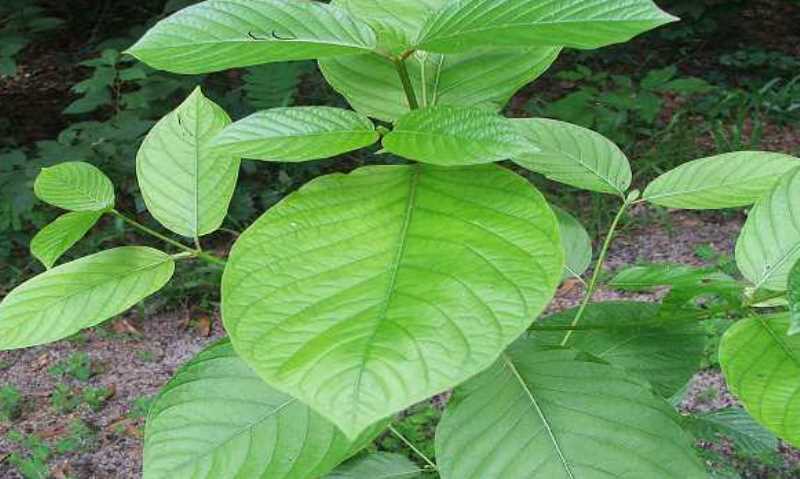
The government of Kutai Kartanegara (Pemkab Kukar) in Indonesia has taken new steps to boost the local economy through the export of kratom leaves, with a processing plant established in the Tenggarong area. This announcement comes at a time when the Indonesian economy is undergoing significant transformations aimed at supporting local communities and increasing job opportunities.
In a statement to the Indonesian news agency, Deputy Governor of Kutai Kartanegara, Rendy Selihin, confirmed that the region is rich in natural resources, with kratom plants growing abundantly along the Mahakam River. He noted that the government is seeking to attract investors to build kratom processing plants, which will contribute to increasing the economic value for local farmers.
Details of the Initiative
Kratom leaves are considered a local plant used for various medicinal purposes, including the treatment of anxiety and depression. Specific areas in Kutai Kartanegara, such as Kota Bangun and Muara Wis, have been identified as key centers for kratom cultivation. The government is encouraging farmers to improve production quality, especially following the issuance of a new regulation that allows for the official export of kratom.
The new regulation, which will come into effect on August 29, 2024, aims to regulate kratom trade and establish the necessary standards for its export. This means that Indonesia will become one of the few countries to regulate the export of this substance, enhancing its position in the global market.
Background & Context
Historically, Indonesia has heavily relied on exporting raw materials, but with increasing economic pressures, the government has begun exploring new ways to strengthen the local economy. Kratom is a plant that grows naturally in Indonesia and has been used by local populations for centuries in traditional medicine.
In recent years, global interest in kratom has been on the rise, prompting the government to organize this sector. These efforts have attracted both foreign and local investors, reflecting a shift in the country's economic development strategy.
Impact & Consequences
The export of kratom is expected to improve the living standards of local farmers, as it will allow them to obtain better prices for their products. Additionally, the establishment of kratom processing plants will create new job opportunities, further boosting the local economy.
However, the government must address challenges related to production quality, as improving quality is essential to ensure successful exports. There is also a need for training programs for farmers to ensure adherence to best agricultural practices.
Regional Significance
Although kratom is not a well-known product in the Arab world, Indonesia's experience in regulating agricultural product exports could serve as a model for Arab countries. Arab nations can benefit from this experience in developing their agricultural sectors and enhancing their exports.
In conclusion, the export of kratom represents an important step towards strengthening the local economy in Indonesia and reflects the government's new direction towards supporting farmers and improving production quality. The success of this initiative could open new avenues for economic cooperation between Indonesia and other countries, including Arab nations.