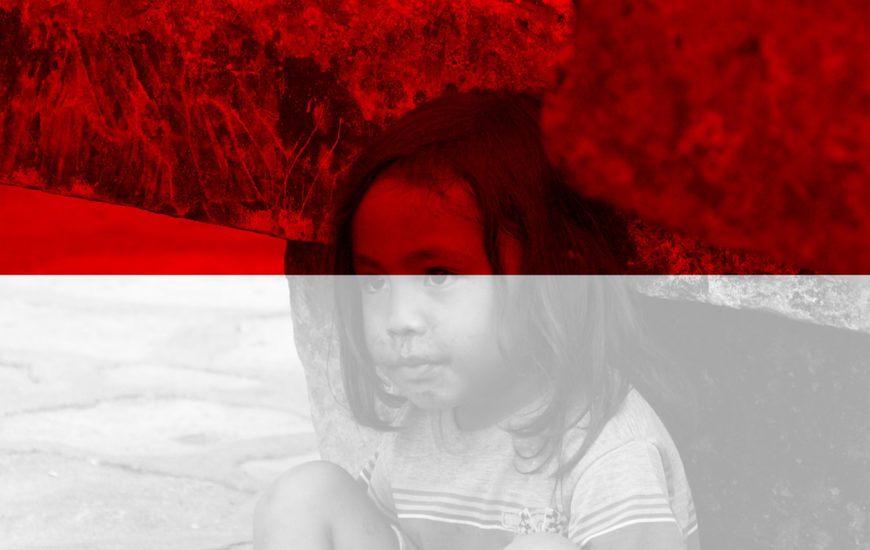
Indonesia has announced the classification of age groups for children under its child protection law in the digital space, defining ages from 3 to 18. This announcement was made by the Indonesian Pediatric Association (IDAI), which confirmed that this classification aligns with scientific standards related to child development.
In a special statement, Peberem Basarah Yanurasa, the president of the association, stated that this classification reflects a deep understanding of children's needs in the digital age, where the presence of technology in their daily lives cannot be ignored. He emphasized that this law aims to protect children from potential risks in the digital space.
Details of the Legislation
The child protection law includes specific age classifications, allowing children aged 3 to 6 years to access digital content designed specifically for them, while children aged 6 to 9 years can access more complex content. Children aged 10 to 12 years are permitted to access content that requires parental supervision, and teenagers aged 13 to 15 years can access medium-risk content.
For children aged 16 to 18, they can access high-risk content, including social media, but parental supervision is necessary. This law aims to ensure the safety of children and protect them from potential risks they may face in the digital space.
Background & Context
This move is part of the Indonesian government's efforts to protect children in an era where risks associated with technology are increasing. Studies have shown that excessive use of digital devices can negatively impact children's growth and their psychological and social development. Therefore, this law represents a response to these growing concerns.
Moreover, this law aligns with international recommendations from organizations such as the American Academy of Pediatrics (AAP) and the World Health Organization (WHO), which advocate for the necessity of protecting children in the digital space and establishing appropriate usage times.
Impact & Consequences
This law is expected to have a significant impact on how children use technology. It will help guide children towards using technology safely and responsibly, thereby enhancing their healthy growth and development. Additionally, this law may contribute to reducing risks associated with cyberbullying and inappropriate content.
The Indonesian government has also confirmed that it will monitor digital platforms to ensure compliance with these laws, reflecting the government's commitment to protecting children in the digital space.
Regional Significance
This step is also significant for the Arab region, where many Arab countries face similar challenges in protecting children from digital risks. Adopting similar policies could enhance children's safety in the digital world, highlighting the importance of regional cooperation in this area.
In conclusion, this law represents a positive step towards protecting children in Indonesia and reflects the growing awareness of the importance of healthy growth for children in the technology era.