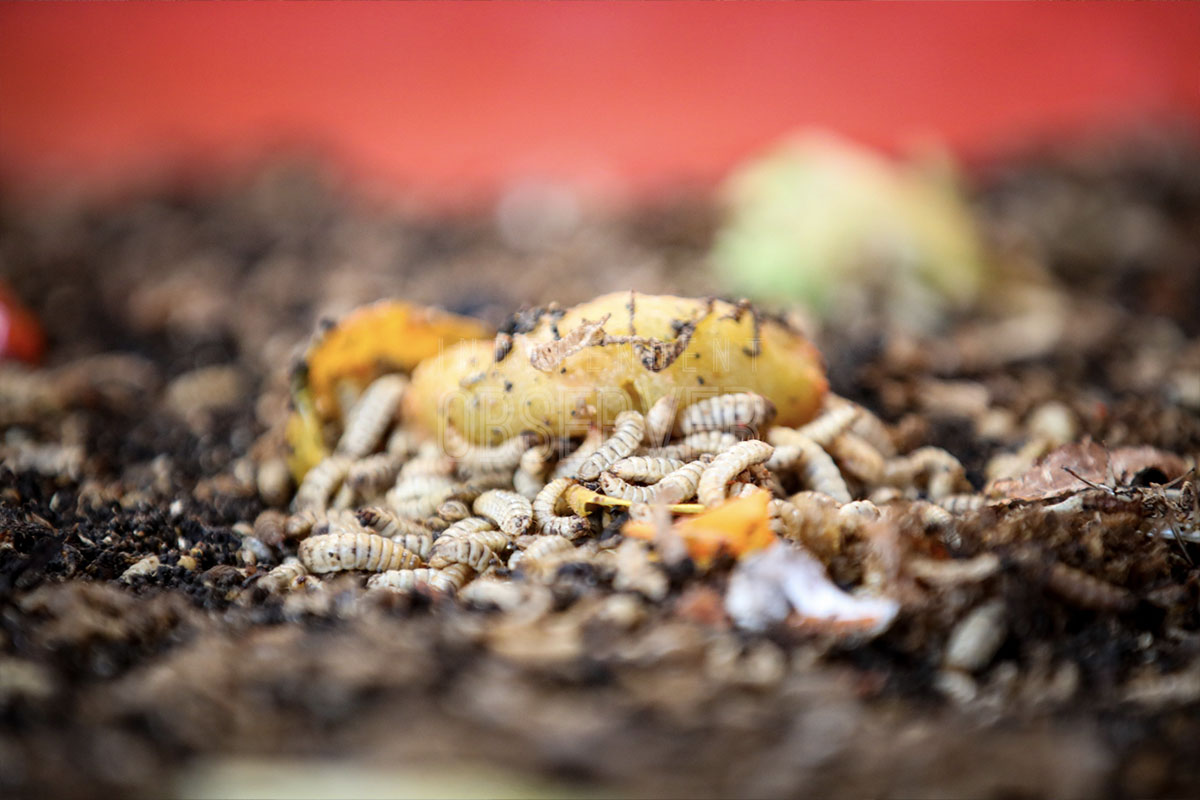
As part of its efforts to reduce waste, Swatan Belangan Pomong Suji (SPPG) in Sukoharjo, Indonesia, has begun utilizing worm farming technology to convert organic waste into added value. This initiative not only contributes to waste reduction but also enhances the local economy by creating new job opportunities.
This method is considered sustainable, allowing the community to benefit from waste, which is transformed into food for worms. These worms can later be used as animal feed or even as a source of nutrients. This innovation reflects the global trend towards a circular economy, which seeks to minimize waste and promote sustainability.
Event Details
Swatan Belangan Pomong Suji (SPPG) collects organic waste from its kitchen, including food scraps and vegetables, and then introduces it into the worm farming process. This process requires a suitable environment and specific temperature to ensure healthy worm growth. After a designated period, the worms are harvested and utilized for various purposes, creating a new economic cycle.
This initiative benefits from local community support, as workshops are organized to teach residents how to apply this technology in their homes. This type of education raises environmental awareness and encourages active participation in environmental conservation.
Background & Context
Indonesia is one of the largest waste-producing countries in the world, facing significant challenges in waste management. In recent years, the Indonesian government has begun taking serious steps towards improving waste management, including encouraging local innovations such as worm farming. These initiatives are part of global efforts to combat climate change and achieve sustainable development.
Historically, Indonesia has relied heavily on traditional waste management methods, exacerbating the problem. However, the shift towards more sustainable practices like worm farming represents a positive step towards improving the environmental situation.
Impact & Consequences
This initiative serves as a model for how to turn environmental challenges into economic opportunities. By reducing waste, local communities can enhance their economies and achieve sustainable economic benefits. Additionally, this initiative contributes to raising environmental awareness among future generations, bolstering efforts to preserve the environment.
Furthermore, the success of this initiative could encourage other countries to adopt similar methods, contributing to improved waste management on a global scale. Given the increasing environmental challenges, such solutions are essential for ensuring a sustainable future.
Regional Significance
In the Arab region, many countries face similar challenges in waste management. Arab nations could benefit from Indonesia's experience in worm farming as a means to convert waste into valuable resources. This initiative could open new avenues for developing innovative solutions to waste problems in Arab countries, contributing to sustainable development.
In conclusion, this initiative in Sukoharjo represents a model for how to address waste innovatively. By promoting a circular economy, communities can achieve both economic and environmental benefits simultaneously.