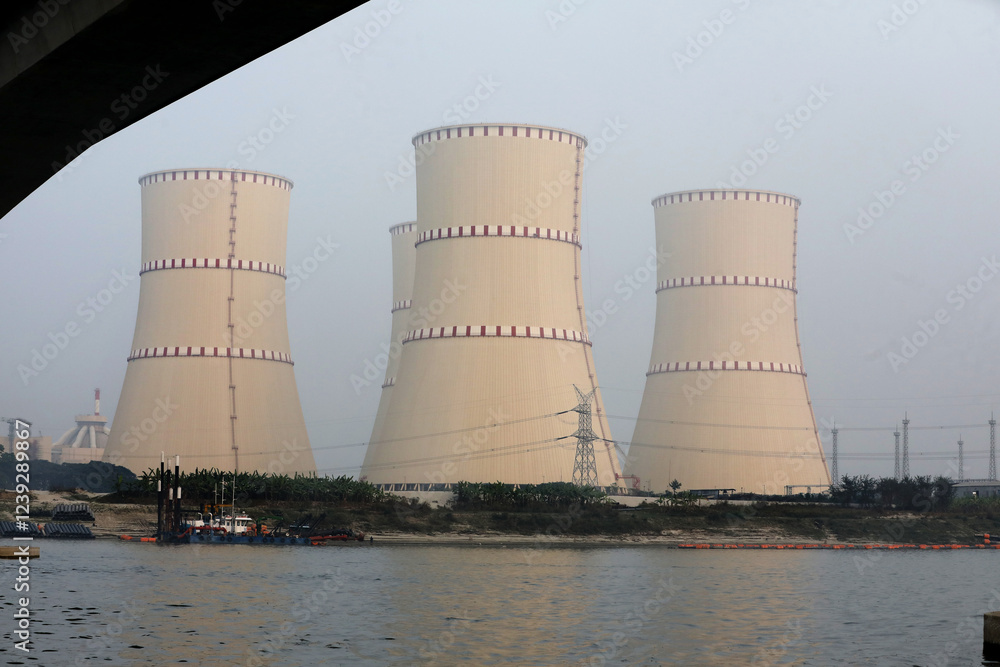
Russian company Rosatom, specializing in nuclear energy, initiated the process of filling nuclear fuel in the first unit of the Rooppur nuclear power plant in Bangladesh on Tuesday. This step marks the beginning of the main operational phase of the plant, which aims to enhance the country's capacity to produce clean energy.
The nuclear fuel filling ceremony was attended by Alexey Likhachev, the CEO of Rosatom, and Fakir Mahbub Anam, the Minister of Science and Technology in Bangladesh, who symbolically granted permission to commence the fuel filling process in the reactor. The operation involves inserting 163 fuel units into the reactor core, paving the way for increased monitoring before gradually ramping up production capacity.
Event Details
The Rooppur nuclear power plant is the first of its kind in Bangladesh, featuring two VVER-1200 reactor units with a total capacity of 2400 megawatts. The construction contract was signed on December 25, 2015, and the plant is located approximately 99 miles from the capital, Dhaka. This facility is expected to significantly contribute to strengthening Bangladesh's electricity grid.
Likhachev expressed his happiness at Bangladesh joining the ranks of countries utilizing nuclear energy for peaceful purposes, noting that the Rooppur plant will be a cornerstone of the nation's energy system. He also emphasized the importance of this project in enhancing relations with international partners.
Background & Context
Historically, Bangladesh has heavily relied on traditional energy sources, leading to challenges in meeting the increasing energy demand. In recent years, the government has begun exploring alternative energy options, including nuclear power, as part of its strategy for sustainable development. The International Atomic Energy Agency (IAEA) has supported Bangladesh's nuclear energy program since its inception, ensuring that the plant is built to the highest safety standards.
This initiative is part of a broader vision for Bangladesh to reduce its dependence on fossil fuels and achieve sustainable development goals, reflecting the government's commitment to improving the quality of life for its citizens.
Impact & Consequences
The commissioning of the Rooppur nuclear power plant is expected to have positive effects on the Bangladeshi economy. The plant will help provide the necessary energy to support industrial and commercial growth, enhancing the country's ability to attract foreign investments. Additionally, the use of nuclear energy will contribute to reducing carbon emissions, yielding significant environmental benefits.
Furthermore, the collaboration between Bangladesh and Russia on this project reflects the growing relations between the two countries, potentially opening new avenues for cooperation in other fields, such as education and technology.
Regional Significance
Bangladesh's experience with nuclear energy serves as a model for Arab countries seeking to diversify their energy sources. With the increasing energy demand in the region, nuclear power could be part of sustainable solutions. Moreover, international cooperation in this field could contribute to enhancing energy security in the region.
In conclusion, the Rooppur nuclear power plant represents a significant step towards a more sustainable future for Bangladesh and reflects the global trend towards the safe and effective use of nuclear energy.