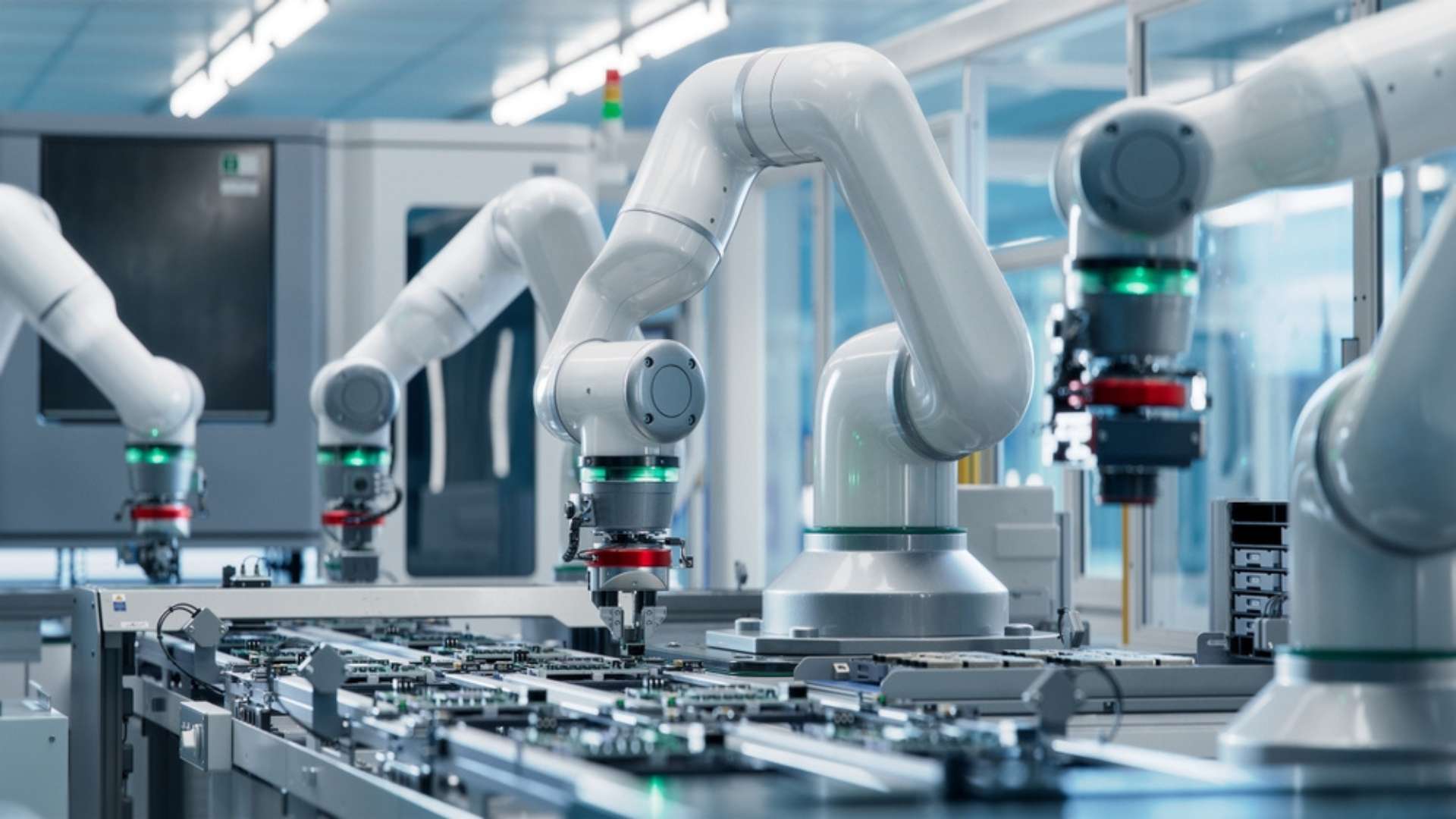
Indonesia is currently entering a critical phase in the digital transformation of its manufacturing sector, as the country seeks to enhance its competitiveness in the global market. This transformation is part of the 'Making Indonesia 4.0' program, which aims to modernize production systems and enhance value addition. According to Philip Tang, Vice President of Epicor Asia, the manufacturing sector remains one of the main drivers of the Indonesian economy and plays a strategic role in the country's ambitions to become one of the largest economies in the world by 2030.
Tang points out that the Indonesian industry is currently at a significant turning point, transitioning from a cost-based manufacturing model to a smart manufacturing model that focuses on value addition. He expects that there are three main trends that will shape the future of the industry: the use of artificial intelligence in decision-making, the adoption of cloud technologies to increase operational flexibility, and the use of data to enhance business resilience.
Event Details
Tang clarified that artificial intelligence, cloud computing, and data are no longer futuristic concepts but have become fundamentals in modern manufacturing operations. However, the digital transformation process still faces several challenges, including the state of data in companies, which remains fragmented and not ideally integrated. Many companies possess large amounts of data, but it is distributed across multiple systems, making it difficult to leverage effectively for decision-making.
Furthermore, companies face challenges in coordinating human aspects, business processes, and technology to ensure that digital transformation has a real impact on company performance. According to Epicor's research, companies leading the digital transformation are those that do not merely adopt new technologies but also build a strong digital foundation and equip human resources capable of leveraging it.
Background & Context
Historically, the manufacturing sector in Indonesia has seen significant growth, being one of the pillars of the national economy. However, global challenges such as increasing competition and rapid technological changes require Indonesian companies to adopt new strategies. Digital transformation is an urgent necessity to meet these challenges, as it can contribute to improving efficiency and increasing productivity.
Through the 'Making Indonesia 4.0' program, Indonesia aims to enhance innovation and develop workforce skills, helping to achieve sustainable development goals. This program reflects the Indonesian government's commitment to boosting the digital economy and developing the necessary infrastructure to support this transformation.
Impact & Consequences
The digital transformation can have a significant impact on the ability of Indonesian companies to compete in global markets. Companies that can turn data into actionable insights will enjoy a competitive advantage, as they can make faster and more accurate decisions. Additionally, advancements in technologies such as artificial intelligence will lead to improved processes and increased efficiency.
Tang also anticipates that the Enterprise Resource Planning (ERP) system will evolve in the coming years, as companies transition from traditional ERP systems to more flexible and adaptable platforms. These modern systems will include greater integration with artificial intelligence and cloud technologies, enhancing operational efficiency and supporting business sustainability.
Regional Significance
Indonesia's experience in digital transformation in the manufacturing sector serves as a model that Arab countries can benefit from. With increasing economic challenges, Arab nations can enhance their competitiveness by adopting similar digital strategies. Digital transformation can contribute to improving productivity and increasing innovation, thereby boosting economic growth in the region.
In conclusion, the digital transformation in the Indonesian manufacturing sector is a necessary step to face future challenges. Companies that build a strong digital foundation and leverage modern technologies will be better prepared to confront global competition.