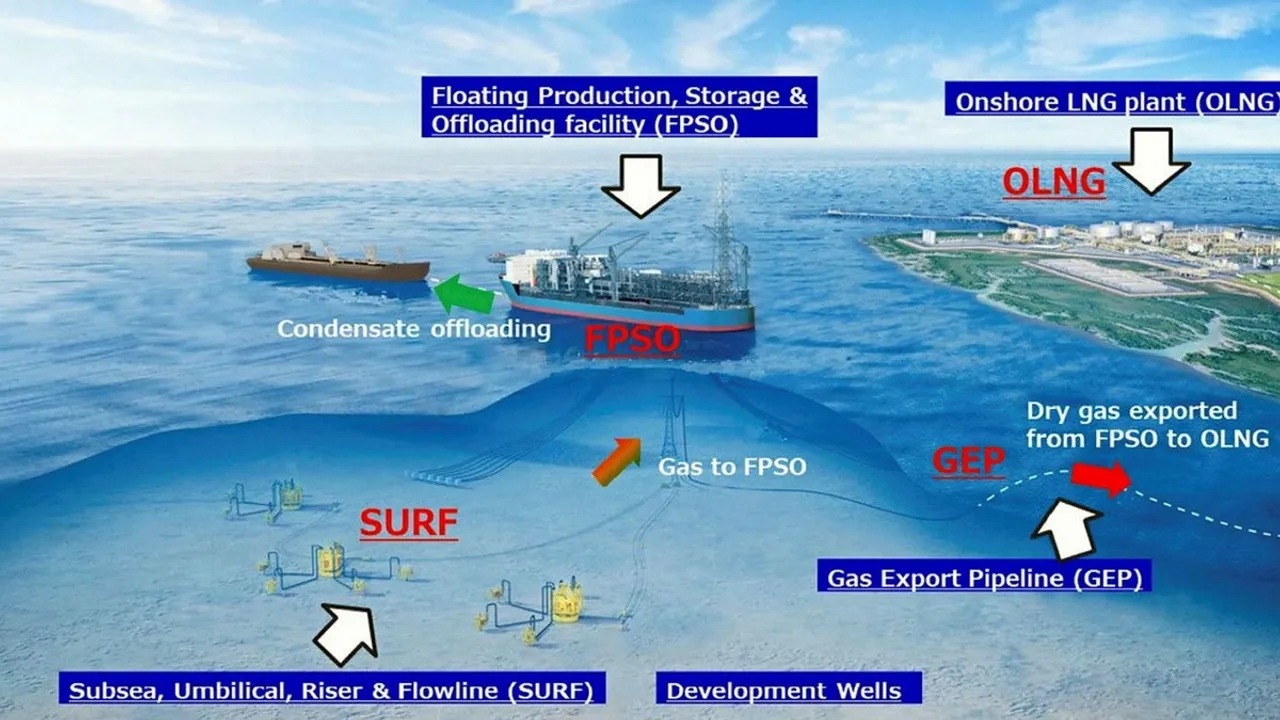
Indonesia and Japan have reached an agreement to expedite the development of the Blok Masela gas project in Maluku, amid rising tensions between the United States and Iran. This announcement was made during the official visit of Indonesian President Joko Widodo to Japan, where several strategic issues between the two countries were discussed.
The head of the special working unit for the oil and gas sector in Indonesia, Diego Sisiwanto, stated that all parties involved have agreed to accelerate the development of the project, noting that discussions regarding the project's progress are proceeding well and yielding positive results. He emphasized that cooperation in this field is an important step to strengthen relations between Indonesia and Japan.
Details of the Agreement
This agreement comes at a sensitive time, as geopolitical tensions in the region are escalating, particularly between the United States and Iran. Sisiwanto pointed out that the development of the Blok Masela gas project is part of Indonesia's efforts to enhance national energy security. He also added that cooperation with Japan in this area could contribute to achieving energy sustainability in Indonesia.
During the visit, Sisiwanto was accompanied by the Indonesian Minister of Energy and Mineral Resources, Bahriel Lahadalia, who stressed the importance of enhancing cooperation in the energy sector. He explained that this collaboration could open new avenues for investment and strengthen Indonesia's capacity to meet its energy needs.
Background & Context
Historically, Indonesia has been one of the largest producers of natural gas in the world, but economic and political challenges have affected its ability to effectively exploit these resources. The Blok Masela project, located in the waters of Maluku, is one of the vital projects that could enhance Indonesia's capacity to achieve energy self-sufficiency.
In recent years, Indonesia has witnessed significant changes in its energy policies, as the government seeks to attract foreign investments and strengthen partnerships with other countries. Cooperation with Japan, which is considered one of the largest consumers of natural gas, could have a significant impact on the future of energy in Indonesia.
Impact & Consequences
Accelerating the development of the Blok Masela gas project could have positive effects on the Indonesian economy, as it may provide new job opportunities and enhance foreign investments. Additionally, this project could contribute to improving economic relations between Indonesia and Japan, potentially leading to further cooperation in other areas.
On the geopolitical front, this agreement may strengthen Indonesia's position in the region, especially amid the increasing tensions between the United States and Iran. Indonesia could become a strategic partner in the energy sector, enhancing its role in regional politics.
Regional Significance
The Middle East is considered one of the most important oil and gas-producing regions, and any changes in energy policies in major countries like Indonesia could affect global markets. The cooperation between Indonesia and Japan in the energy sector could open new avenues for collaboration between Arab countries and Indonesia, particularly in investment and technology.
In conclusion, this agreement represents an important step toward enhancing regional and international cooperation in the energy sector, reflecting the new trends of countries toward achieving energy sustainability.