Indonesia has announced the establishment of the Southeast Asia Fertilizer Association (SEAFA) in the Southeast Asian region during the Asian Fertilizer Conference 2026 held in Nusa Dua, Bali. This initiative aims to enhance cooperation among member countries and ensure the sustainability of fertilizer supplies in the region, especially in light of current global challenges.
During the conference, the Executive Director of Pupuk Indonesia, Rahmad Pribadi, confirmed that this initiative resulted from discussions with representatives from Brunei and Malaysia, leading to a mutual agreement to establish the association. A founding document was signed in the presence of approximately 200 participants from 30 countries, reflecting the significance of this event for regional cooperation.
Event Details
The association was founded by three countries: Indonesia, Brunei, and Malaysia, with the possibility of other countries joining in the future. Rahmad noted that this association represents an important step towards enhancing food security, as reliance on a single company in this field is insufficient; regional and international cooperation is required.
For his part, the Executive Director of Pupuk Brunei, Harry Kiskey, emphasized the importance of this association as a platform for collaboration among member countries, stressing the need for the voices of the industry in the ASEAN region to be heard, especially given the challenges faced by this industry in terms of production and sustainability.
Background & Context
This initiative comes at a critical time, as global fertilizer supplies have been affected by conflicts in the Middle East, leading to reduced access to the Strait of Hormuz, which is considered one of the main routes for transporting approximately 30% of global fertilizers. Therefore, establishing an association like SEAFA could contribute to enhancing food security in the region.
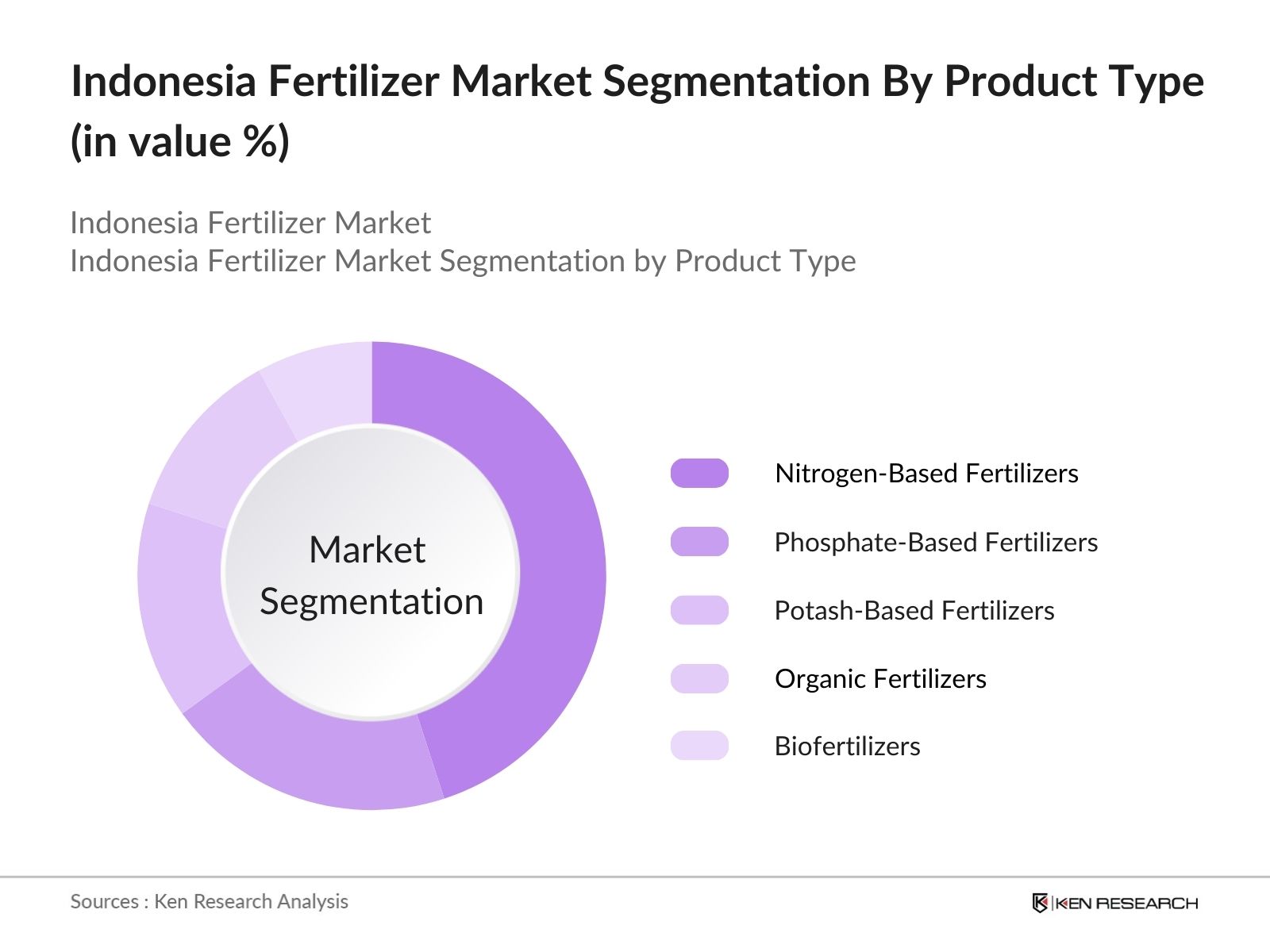
Indonesia is one of the largest producers of fertilizers in the world, with an annual production capacity of 14.5 million tons, including 9.4 million tons of nitrogen fertilizers. The country also produces other types of fertilizers such as phosphate and potassium, further enhancing its role as a regional hub in this sector.
Impact & Consequences
The establishment of SEAFA is considered a strategic step to address the challenges facing the fertilizer industry in the region. The association is expected to improve coordination among member countries and facilitate the exchange of knowledge and experiences, thereby enhancing production capacity and reducing reliance on imports.
Moreover, this association may help develop sustainable strategies to address climate change and environmental challenges, thereby enhancing member countries' ability to adapt to changing conditions.
Regional Significance
The Middle East and North Africa are regions that heavily rely on fertilizer imports. Therefore, cooperation among Asian countries in this field could positively impact food security in Arab countries, especially given the challenges these countries face in securing food supplies.
In conclusion, the establishment of SEAFA reflects the importance of regional cooperation in addressing global challenges and is a significant step towards achieving food security in Southeast Asia, thereby enhancing opportunities for future collaboration with Arab countries.