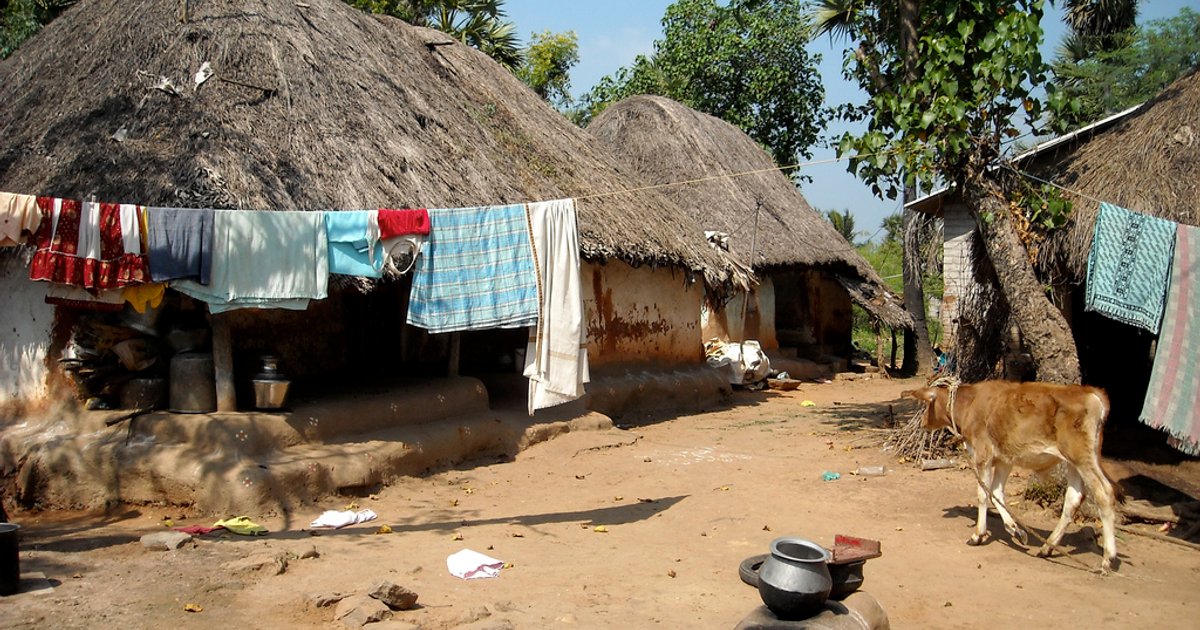
The Indonesian Ministry of Population and Family Development, known as BKKBN, has announced the launch of the 'Return to Village' program, which aims to enhance economic development in rural areas. This program is part of the government's efforts to improve living standards in villages by encouraging returnees from cities to invest in local projects.
In a statement, the Deputy Minister of BKKBN, Bonifasius Prastia Ikhtiar, confirmed that this program could be enhanced by providing financial incentives to returning migrants, encouraging them to settle in their original villages and start their own projects. He explained that this step will help build a strong economic base in villages by utilizing local resources.
Program Details and Objectives
The 'Return to Village' program includes the development of local economic areas based on available potentials, such as precision agriculture, integrated fishing, eco-tourism, and the creative economy. The program aims to provide a conducive environment for investors by offering tax facilities and flexible procedures for obtaining necessary licenses.
Bonifasius also highlighted the importance of expanding vocational training programs and certifications for local labor, as community training centers can help meet local market needs. Providing training and employment opportunities for youth in villages is considered a crucial step in retaining local competencies and enhancing their competitiveness.
Historical Context and Background
Historically, Indonesia has witnessed waves of migration from villages to cities, leading to the depopulation of rural areas. However, returning to villages has become an urgent necessity in light of the economic and social challenges facing the country. Enhancing development in villages can contribute to achieving economic balance between urban and rural areas.
This initiative is part of the Indonesian government's strategy to leverage the 'demographic opportunity,' as these policies are expected to transform villages into centers of economic growth, rather than merely sources of labor.
Expected Impact and Consequences
The 'Return to Village' program is expected to improve living standards in rural areas by creating new job opportunities and enhancing local investments. Additionally, this program may contribute to reducing the economic gap between urban and rural areas, thereby promoting social and economic stability.
Moreover, strengthening the local economy by supporting small and medium enterprises can contribute to achieving sustainable development, reflecting the importance of sustainability in economic policies.
Relevance to the Arab Region
Indonesia's experience in promoting rural development is an important case that Arab countries can benefit from, especially those facing internal migration issues and rural depopulation. Arab countries can draw inspiration from this initiative to develop similar programs aimed at enhancing economic development in rural areas, contributing to improving living standards and reducing the economic gap.
In conclusion, the 'Return to Village' program in Indonesia demonstrates how well-considered economic policies can make a real difference in people's lives, emphasizing the importance of focusing on sustainable development worldwide.