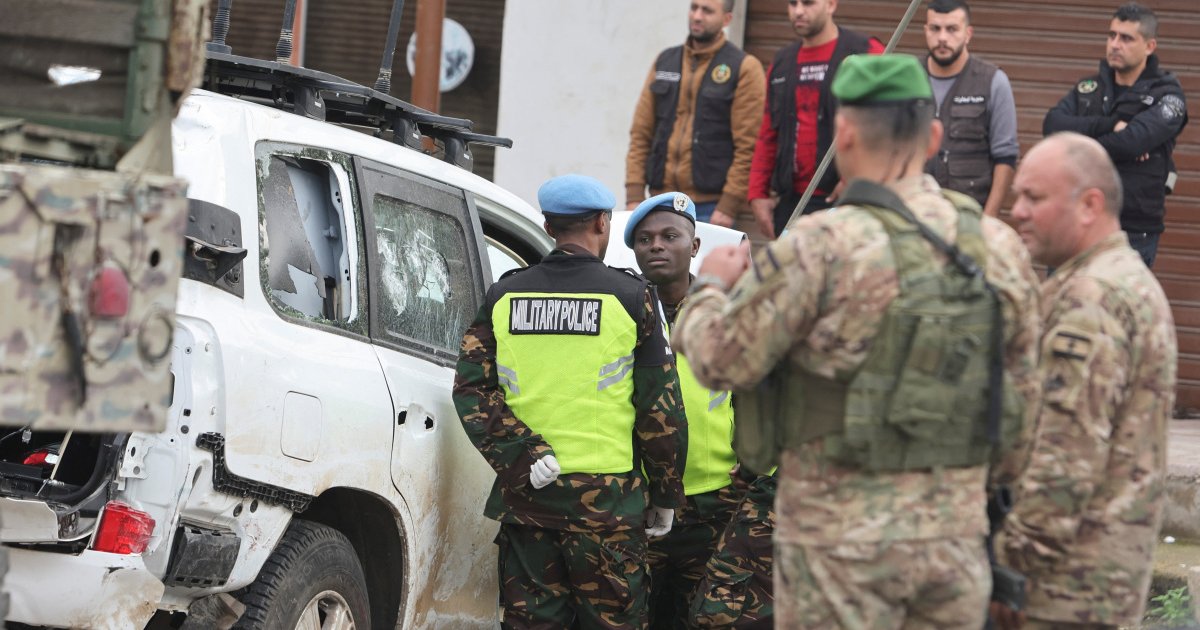
The Indonesian Democratic Party announced the loss of three Indonesian soldiers during a United Nations peacekeeping mission in Lebanon, emphasizing that this event represents a significant loss for the nation. The incident occurred on March 29 and 30 due to escalating attacks in the region, where the soldiers were martyred as a result of explosions and shelling.
The lost soldiers are Farizal Romadon, Zulmi Aditya, and Ikhwan, and this incident has sparked widespread reactions in Indonesia, where many consider it a national loss.
Details of the Incident
In a statement, Agus Harimurti Yudhoyono, the head of the Democratic Party, confirmed that the incident is not just a loss for the Indonesian army, but a national sorrow that reflects the sacrifices of soldiers in the pursuit of global peace. Yudhoyono, who was part of the first Indonesian battalion in peacekeeping forces in 2006, pointed out the significant risks faced by these forces in conflict areas.
The party also condemned the attacks targeting UN forces, stressing that they are a blatant violation of international humanitarian law and cannot be tolerated under any circumstances. Herzaki Mahendra Putra, the party's spokesperson, indicated that the attack was carried out by Israeli forces, which has heightened tensions in the region.
Background & Context
Historically, Indonesia has been an active participant in international peacekeeping missions, having engaged in numerous operations under the UN umbrella. These participations have demonstrated Indonesia's commitment to contributing to global security and peace. However, the increasing attacks on peacekeeping forces raise concerns about the safety of Indonesian soldiers in conflict zones.
The United Nations Interim Force in Lebanon (UNIFIL) is one of the longest-standing peacekeeping missions, established in 1978. Since then, these forces have faced numerous challenges, including repeated attacks from armed groups, making the protection of soldiers critically important.
Impact & Consequences
The loss of Indonesian soldiers in Lebanon may raise questions about the effectiveness of peacekeeping missions and their ability to protect their personnel. This incident could also lead to increased calls for enhancing security measures and tactics used to protect soldiers in conflict areas.
Furthermore, this incident may affect relations between Indonesia and Israel, as recent accusations have pointed to Israel as responsible for the attacks. This is likely to escalate political tensions in the region.
Regional Significance
The events in Lebanon are part of a broader landscape of conflicts in the Middle East, where regional and international interests intersect. The loss of Indonesian soldiers highlights the dangers faced by peacekeeping forces in the region and also reflects the challenges countries face in achieving peace and stability.
Ultimately, the international community must take concrete steps to ensure the safety of peacekeeping forces and work to enhance protection mechanisms and cooperation among UN member states.