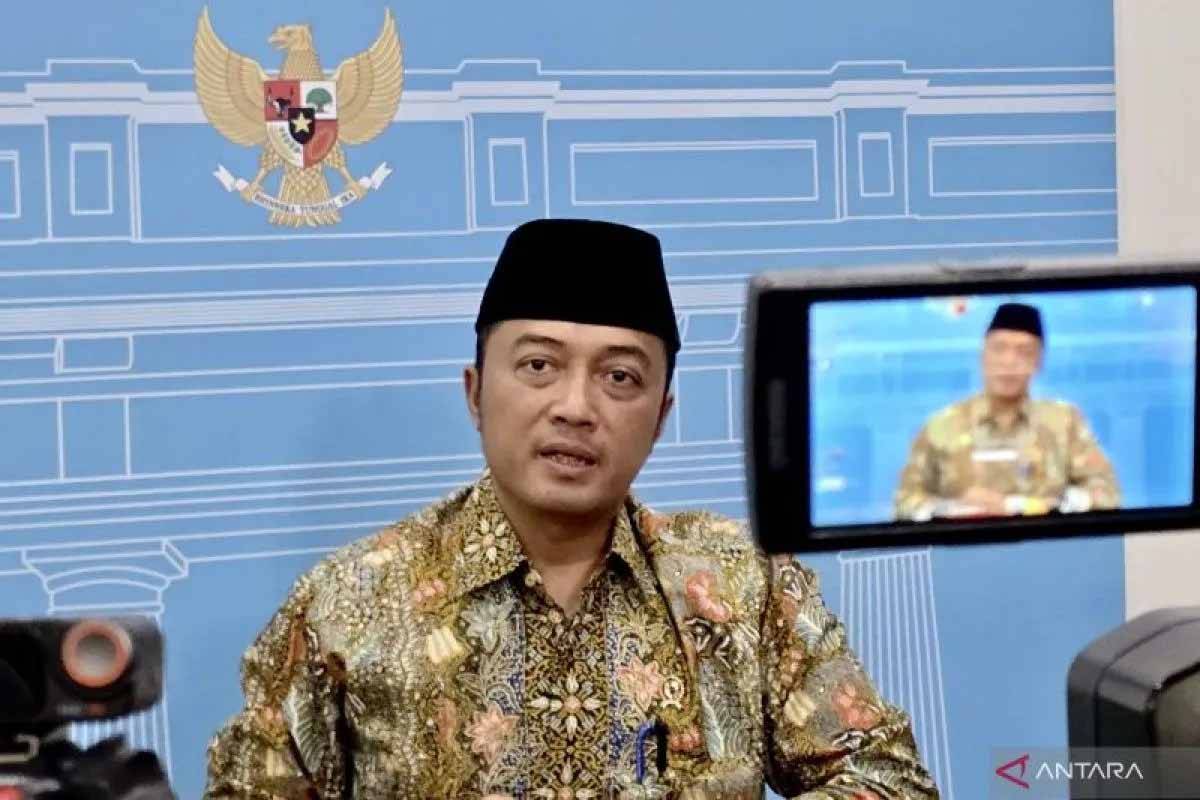
Indonesian State Secretary Prasetyo Hadi confirmed that there are no current plans for government restructuring or salary cuts for ministers and parliament members. This statement was made during a press conference held at the Presidential Palace in Jakarta, where Hadi clarified that these topics have not been discussed so far.
Hadi noted that the government's performance is evaluated periodically as part of the governmental work mechanism, but he emphasized that this evaluation does not necessarily imply changes in ministerial positions. "Not every evaluation leads to changes in positions," Hadi stated, reflecting the current stability of the government.
Details of the Announcement
In additional remarks, Hadi explained that the government continuously monitors the performance of its ministers to ensure that the set goals are achieved. He confirmed that evaluations are conducted daily, reflecting the government's commitment to transparency and accountability.
Hadi also affirmed that Indonesian President Prabowo Subianto has not made any decisions regarding government restructuring in the near future. "There are no plans currently," Hadi added, sending a clear message about the stability of the current government.
Background & Context
These statements come at a sensitive time for Indonesia, as President Subianto faces multiple economic and social challenges. Since taking office, there has been significant interest from the media and citizens regarding how the government is managing current crises.
Historically, Indonesia has seen numerous ministerial changes, with previous governments adopting restructuring policies as a means to improve performance. However, it appears that the current government is seeking to maintain its stability at this stage.
Impact & Consequences
These statements may affect public confidence in the government, as citizens look for tangible results from ministers. Given the economic challenges, it may be necessary for the government to take bolder steps to ensure performance improvement.
Furthermore, governmental stability can have a positive impact on foreign investments, as investors seek a stable political environment before making their decisions.
Regional Significance
Indonesia is considered one of the largest Muslim countries in the world, and any changes in its government policies could affect relations with Arab countries. Amid global economic challenges, there may be opportunities for cooperation between Indonesia and Arab nations in areas such as trade and investment.
In conclusion, all eyes remain on the Indonesian government to see how it will address current challenges and whether it will take new steps to enhance governmental performance.