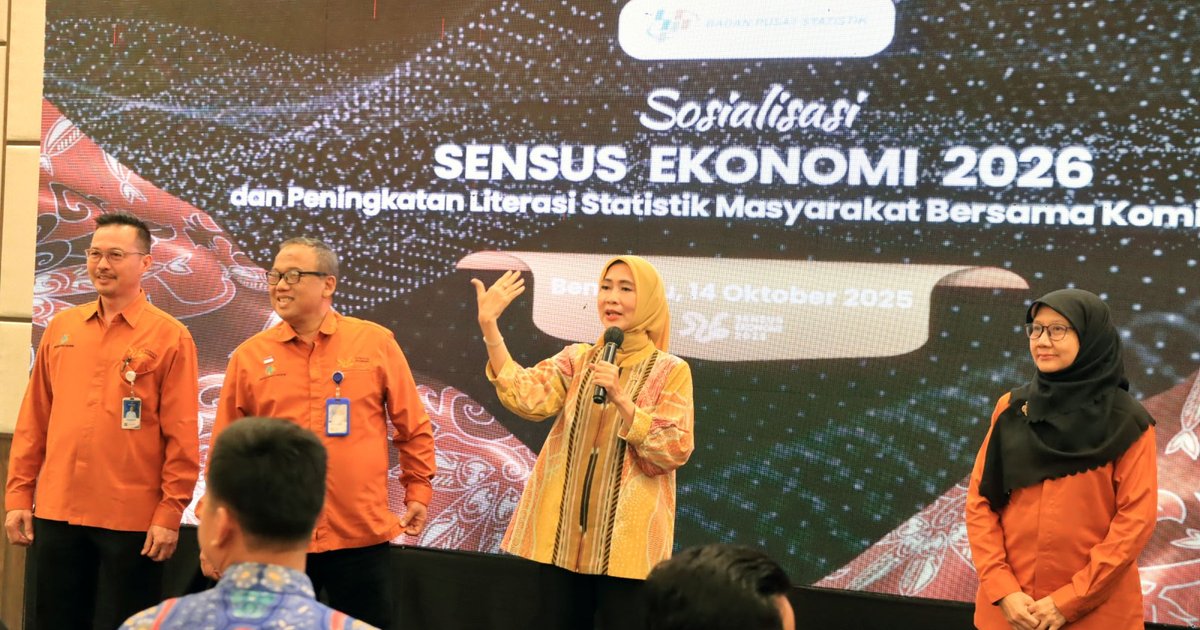
The Indonesian Central Statistics Agency (BPS) has revealed its plan to hire 116,000 employees to conduct the 2026 Economic Census, which is considered one of the major projects for collecting economic data in Indonesia. This census is anticipated to be held in 2026 and aims to provide accurate information regarding economic activities in the country.
This initiative is part of the Indonesian government's efforts to enhance economic planning and guide public policies based on reliable data. The economic census is a vital tool for understanding market changes and growth trends, which aids in making strategic decisions that support sustainable development.
Event Details
The Central Statistics Agency is striving to ensure the success of this census by employing a large number of trained staff who will be responsible for collecting data from various economic sectors. This includes visiting businesses and factories, as well as gathering information from households about their economic activities.
Training for the new employees is expected to commence later this year, where they will receive detailed instructions on how to collect and analyze data. The agency will also utilize modern technologies to ensure data accuracy and speed of collection, reflecting the technological advancements that Indonesia is witnessing in this field.
Background & Context
Historically, Indonesia has relied on economic data to attract foreign investments and boost economic growth. Data from previous censuses have demonstrated the importance of accurate information in guiding economic policies and setting development priorities. In recent years, Indonesia has experienced significant growth in various sectors, increasing the need for precise data that reflects this growth.
This step is part of the Indonesian government's vision to enhance transparency and efficiency in economic management. Additionally, the data resulting from the census will assist in improving urban planning and directing investments in infrastructure.
Impact & Consequences
The success of the 2026 Economic Census could have wide-ranging effects on the Indonesian economy. With accurate data, the government can improve economic policies, contributing to enhanced growth and job creation. Furthermore, the information generated will aid businesses in making informed investment decisions, thereby strengthening the business environment in the country.
Moreover, this data could help improve the living standards of citizens by directing investments to the most needed sectors, promoting sustainable development, and reducing economic disparities.
Regional Significance
This project serves as a model for Arab countries seeking to enhance the accuracy of their economic data. Given the economic challenges faced by many Arab nations, Indonesian experiences could be beneficial in improving data collection and analysis. Furthermore, strengthening cooperation between Arab countries and Indonesia in this field could facilitate knowledge and expertise exchange.
In conclusion, the 2026 Economic Census in Indonesia underscores the importance of accurate data in promoting economic development. The success of this project could inspire other countries in the Arab region to bolster their efforts in data collection and analysis, contributing to sustainable development.