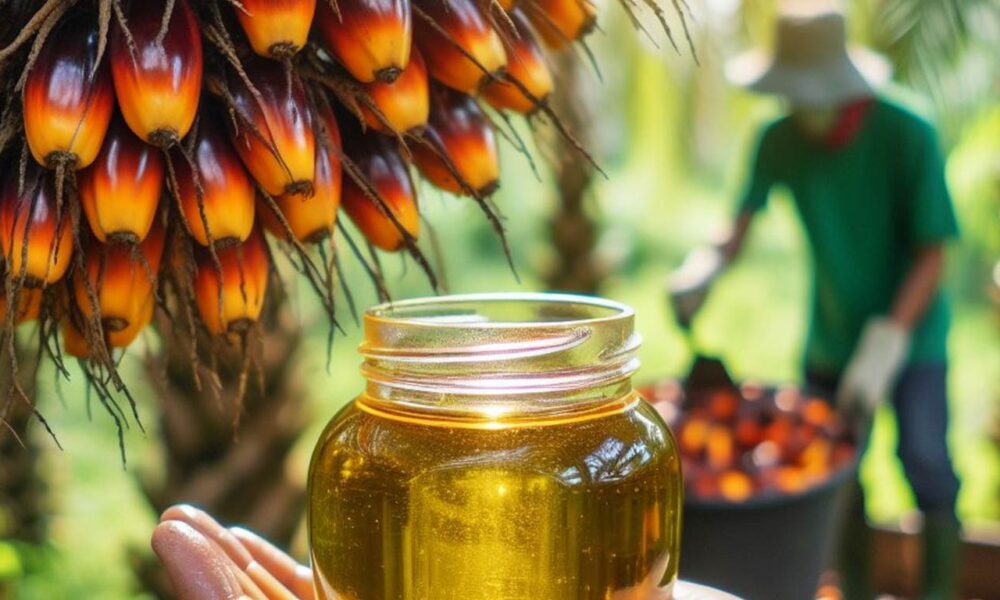
Indonesian Agriculture Minister Andi Amran Sulaiman announced the country's readiness to supply 5.3 million tons of crude palm oil to support the implementation of the B50 project, which aims to enhance biofuel usage in the country. This announcement is part of the Indonesian government's efforts to promote environmental sustainability and reduce dependence on fossil fuels.
The B50 project is an initiative aimed at blending 50% of palm oil with traditional fuel, contributing to reduced carbon emissions and promoting the use of renewable energy. Palm oil is considered one of the main sources of biofuel in Indonesia, which is the largest producer of palm oil in the world.
Event Details
During a press conference, Sulaiman confirmed that the government is working to accelerate the implementation of the B50 project, noting that providing 5.3 million tons of palm oil is a significant step towards achieving sustainability goals. He also explained that this project will help create new job opportunities in the agricultural sector and boost the local economy.
Indonesia is one of the leading countries in palm oil production, significantly contributing to the global economy. This announcement comes at a time when the country is witnessing an increase in demand for biofuels, reflecting the global trend towards renewable energy sources.
Background & Context
Historically, Indonesia has experienced significant growth in the palm oil industry, becoming one of the largest producers and exporters globally. This industry has improved the living standards of many farmers, but it has also faced criticism for its environmental impact. Therefore, the government seeks to balance economic development with environmental preservation.
In recent years, international pressures have increased on Indonesia to adopt sustainable agricultural practices, prompting the government to take serious steps towards promoting biofuel usage. The B50 project is part of these efforts, aiming to reduce carbon emissions and enhance the use of renewable energy.
Impact & Consequences
The B50 project is expected to contribute to environmental sustainability in Indonesia, helping to reduce reliance on fossil fuels. Additionally, the increased use of palm oil as a biofuel may improve air quality and reduce greenhouse gas emissions.
Moreover, this project could open new investment opportunities in the renewable energy sector, enhancing Indonesia's position as a key player in the biofuel industry. Improving sustainable agricultural practices may also lead to increased agricultural productivity and better income for farmers.
Regional Significance
The B50 project serves as a model for Arab countries seeking to enhance renewable energy usage. With the growing demand for alternative energy sources, Arab nations can benefit from Indonesia's experiences in developing similar projects. Strengthening cooperation between Arab countries and Indonesia in this field could contribute to achieving global sustainability goals.
In conclusion, the B50 project represents an important step towards achieving sustainable development in Indonesia and reflects the global trend towards utilizing renewable energy sources. This project is expected to have a positive impact on the local economy and the environment, making it a model for other countries to follow.