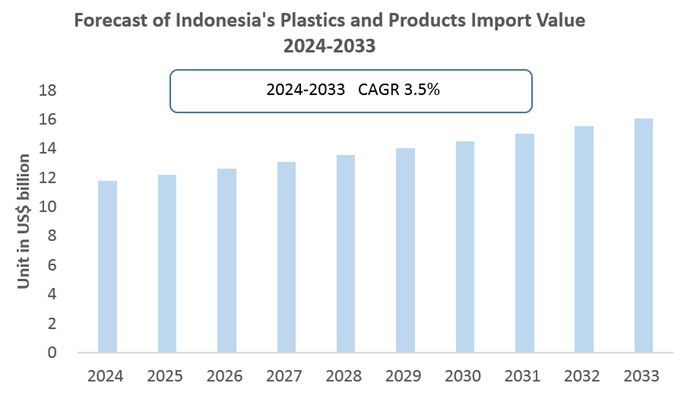
The Indonesian government has announced its efforts to import raw materials for plastics from African and American countries, in light of the notable increase in plastic prices within the country. This decision is part of the government's efforts to address the economic challenges facing Indonesia, which have been significantly impacted by disruptions in global supply chains.
Recently, plastic prices in Indonesia have seen a significant rise, affecting many industries that rely on this material. Officials have indicated that the search for new sources of raw materials is a strategic step to ensure the stability of the local market.
Details of the Initiative
The Indonesian government aims to diversify its sources of raw materials, specifically targeting African and American countries as alternative suppliers. Indonesian Trade Minister, Budi, stated that this step aims to reduce dependence on traditional plastic-exporting countries, such as China, which has also experienced price increases.
The minister added that the government is working to strengthen trade relations with African countries, which possess rich natural resources that could help meet Indonesia's plastic material needs. This is part of a comprehensive plan to boost the national economy and achieve self-sufficiency in certain vital sectors.
Background & Context
Historically, Indonesia has heavily relied on importing raw materials from countries like China and Malaysia. However, changes in the global market, including rising shipping costs and disruptions caused by the COVID-19 pandemic, have led to a reevaluation of these strategies. Research has shown that Indonesia needs new strategies to ensure the sustainability of its plastic industry.
Indonesia is considered one of the largest plastic markets in Southeast Asia, with this industry significantly contributing to the national economy. However, the challenges facing this industry require innovative and swift solutions.
Impact & Consequences
This decision is expected to have a significant impact on the local market, potentially leading to price stabilization and improved competitiveness for local industries. Additionally, strengthening trade relations with Africa and America may open new avenues for economic cooperation, contributing to an overall improvement in Indonesia's economic situation.
Moreover, this trend towards diversifying raw material sources may encourage other countries in the region to take similar steps, enhancing regional cooperation and reducing dependence on specific sources.
Regional Significance
In light of global economic challenges, Indonesia's experience in seeking new sources of raw materials serves as an important lesson for Arab countries. Arab nations, which possess rich natural resources, could benefit from enhancing their trade relations with countries like Indonesia, contributing to sustainable development.
Furthermore, cooperation between Arab countries and Indonesia in the fields of industry and trade could help enhance food and economic security in the region, reflecting the importance of building strategic partnerships amid global challenges.