Ahmad Rizal Ramadhan, the Director General of the Indonesian Bulog Company, announced the enhancement of the company's strategies to combat potential drought resulting from the El Niño phenomenon, as part of its efforts to ensure food supply stability in the country. This statement was made during his remarks at the Wonokromo market in Surabaya, where he noted that forecasts indicate a likelihood of prolonged drought in the middle of this year.
Ramadhan explained that the company has already begun taking proactive steps to face these challenges, through intensive coordination with the Indonesian Ministry of Agriculture, led by the Minister of Agriculture, to ensure the stability of national agricultural production. He added that meetings with the ministry have resulted in plans to address the risks associated with El Niño.
Details of the Initiative
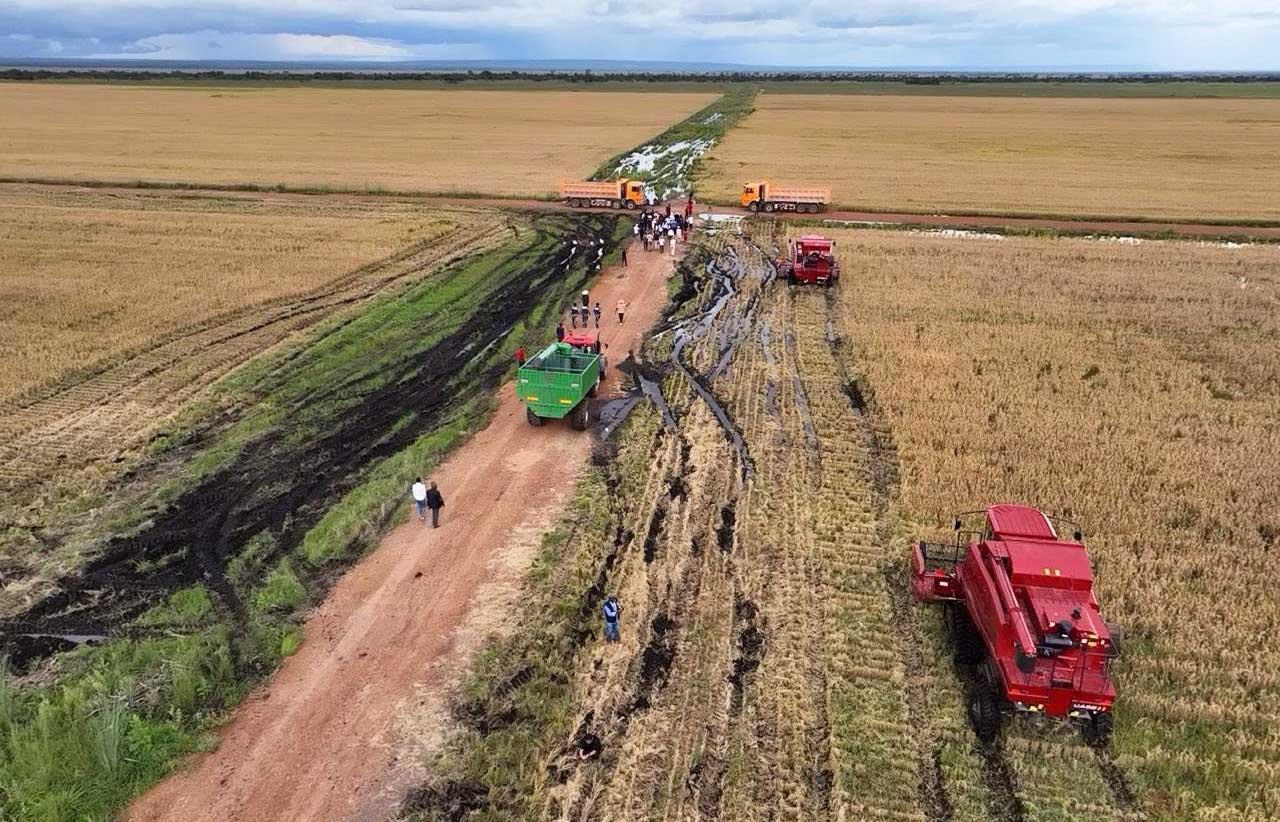
As part of these efforts, several practical steps have been taken, including enhancing the agricultural pumping system and providing more agricultural machinery and equipment to ensure production continuity. Ramadhan confirmed that these measures aim to maintain production levels and even increase them in some cases.
He pointed out that the impact of the El Niño phenomenon is not necessarily negative, as this period coincides with the peak rice harvest season in many regions. He explained that dry conditions could lead to improved crop quality, making farmers more optimistic.
Background & Context
The El Niño phenomenon is one of the climatic phenomena that affect weather patterns in many countries, including Indonesia. Historically, the country has experienced negative impacts from this phenomenon, leading to prolonged droughts at times, which adversely affected agricultural production.
As a major agricultural nation, Indonesia seeks to strengthen its strategies to tackle these climatic challenges, especially in light of global climate changes affecting weather patterns. Through cooperation with the Ministry of Agriculture, the government hopes to mitigate the risks associated with El Niño.
Impact & Consequences
The Indonesian government anticipates that these strategies will lead to improved stability in food supplies within the country, contributing to enhanced food security. Data has shown that the company has made significant progress in absorbing local production, with purchase rates exceeding 35% of the set target.
Ramadhan also noted that the current rice stock has reached record levels, amounting to 4.4 million tons, the highest level since Indonesia's independence. Officials hope to increase the stock to 5 million tons as the harvest season approaches in the coming months.
Regional Significance
Indonesia is one of the largest rice producers in the world, and any negative impacts on its production could affect rice prices in global markets, including Arab markets. In the event of a production shortfall, prices may rise, impacting food security in Arab countries that rely on rice imports.
Therefore, the strategies adopted by Indonesia to confront the El Niño phenomenon could be of significant importance to Arab countries, as they may contribute to stabilizing food prices in the region.