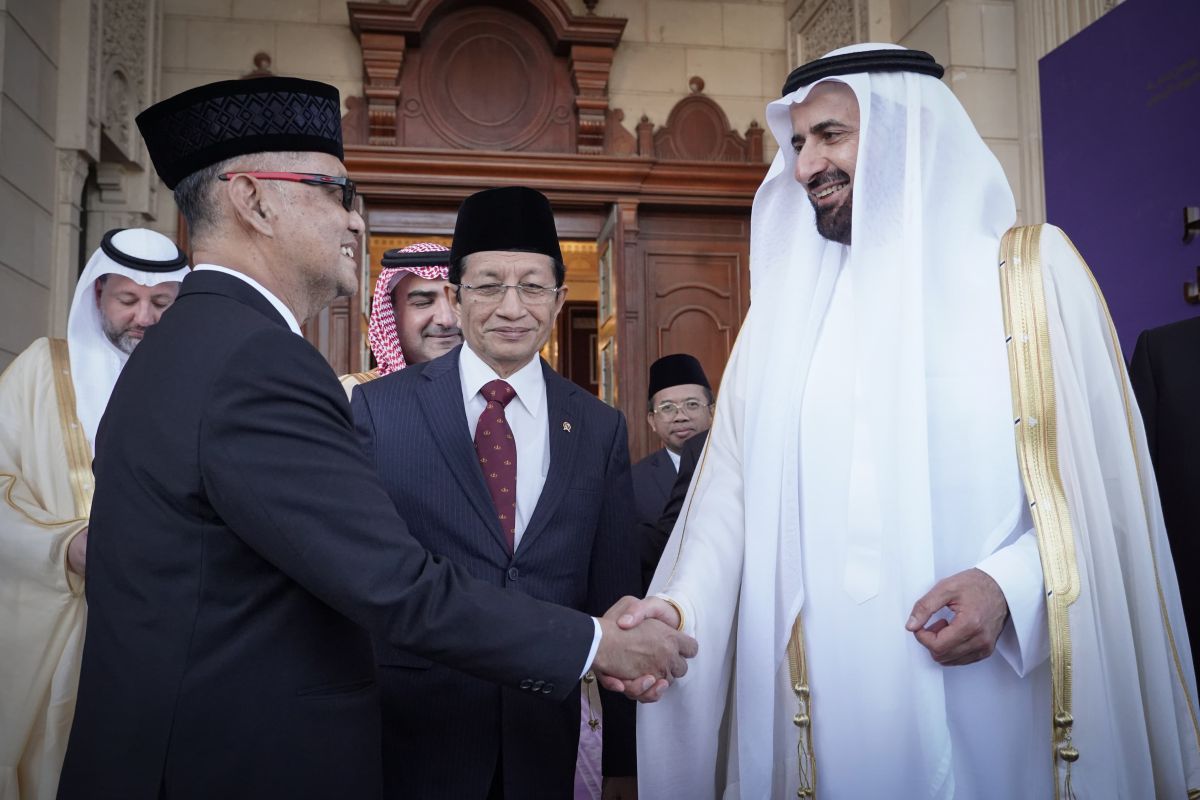
In an effort to alleviate financial burdens on Indonesian pilgrims, President Joko Widodo announced that any increase in Hajj costs will not be passed on to them. This statement was made during a meeting with the Religious Affairs Committee in the Indonesian Parliament, where the Minister of Hajj and Umrah, Yaqut Cholil Qoumas, confirmed that the government aims to keep Hajj costs at reasonable levels despite global economic challenges.
While fuel prices are experiencing a notable increase, President Widodo affirmed that the government will work to reduce Hajj costs by 2 million Indonesian Rupiah, despite the anticipated rise in fuel prices. This decision reflects the government's commitment to easing the financial burdens on pilgrims, especially in light of the difficult economic conditions facing the world.
Details of the Announcement
During the meeting, the Minister of Hajj and Umrah explained that the rise in global fuel prices, particularly oil, could significantly impact Hajj costs. He noted that the cost of air travel for pilgrims could reach approximately 33.5 million Indonesian Rupiah per pilgrim, necessitating effective measures to ensure the sustainability of Hajj in the coming years.
The minister also emphasized the need to improve efficiency and coordination among relevant authorities to alleviate financial burdens, indicating that the government will seek innovative solutions to address current challenges.
Background & Context
Historically, Indonesia faces significant challenges in organizing Hajj, as it is the largest Muslim-majority country by population. With the increasing number of pilgrims each year, the pressure on the government to provide necessary services for them intensifies. In recent years, Hajj costs have seen notable increases due to several factors, including fluctuations in global fuel prices and transportation costs.
This move by the Indonesian government is part of its ongoing efforts to ensure that all citizens can perform Hajj without financial constraints. The past years have also seen criticism from pilgrims regarding rising costs, prompting the government to take swift action.
Impact & Consequences
This decision is expected to have a positive impact on Indonesian pilgrims, as it will help reduce their financial burdens. It also reflects the government's commitment to providing necessary support to its citizens amid global economic crises.
However, the biggest challenge remains how to manage costs in changing circumstances. This requires the government to continue seeking innovative solutions to ensure the sustainability of Hajj in the future.
Regional Significance
Indonesia is one of the largest sending countries of pilgrims to Saudi Arabia, and thus any changes in Hajj costs directly affect relations between Islamic countries. This step may also encourage other nations to take similar actions to alleviate burdens on their citizens.
In conclusion, this decision represents a positive step towards enhancing the ability of Indonesian pilgrims to perform their rituals without additional financial pressures, reflecting the government's commitment to supporting its citizens in all circumstances.