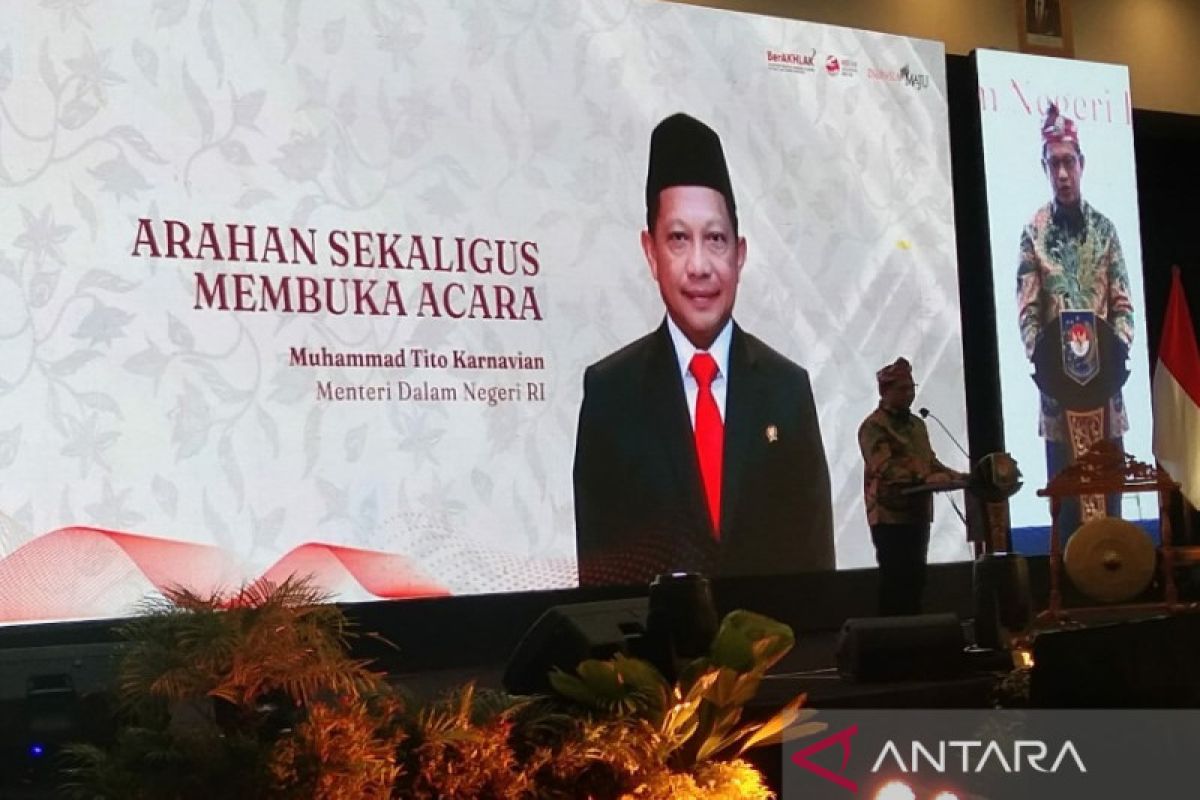
Indonesian Interior Minister Tito Karnavian explained during a working meeting with the Indonesian parliamentary committee that his absence from five previous meetings was due to other commitments, including managing the situation following the natural disasters that struck the country. He emphasized that he had to focus on his duties in supporting government efforts to deal with the impacts of the floods and landslides that occurred in North Sumatra.
During the meeting held at the parliamentary complex in Jakarta, Tito elaborated that his schedule was busy, as he had to attend other official events related to President Prabowo Subianto's visit, in addition to other crisis management tasks.
Details of the Event
Tito discussed how he received invitations to the meetings from parliament, noting that these invitations are often sent late, hindering his ability to arrange his attendance. He confirmed that he was sometimes in remote areas, making it difficult for him to travel to attend the meetings.
Despite his absence, Tito delegated his deputy ministers to attend the meetings on his behalf, affirming that he had asked three deputy ministers to participate in the meetings with the internal affairs committee, reflecting his commitment to maintaining communication with parliament.
Background & Context
Indonesia is one of the countries facing significant challenges due to natural disasters, frequently experiencing floods and landslides due to its geographical location. In late November 2025, areas in North Sumatra were hit by devastating floods, necessitating urgent government intervention.
Historically, Indonesia has suffered from the impacts of natural disasters, prompting the government to adopt new strategies for crisis management. Special units such as the Rehabilitation and Reconstruction Task Force have been established to effectively address these challenges.
Impact & Consequences
The absence of the Interior Minister from meetings with parliament may raise questions about the government's effectiveness in handling crises. However, his commitment to attending other important events reflects the importance of coordination among various government entities in crisis management.
On the other hand, this absence could affect the relationship between the government and parliament, as effective communication between the two is essential for ensuring successful policy implementation. This may lead to calls for greater transparency in crisis management.
Regional Significance
Indonesia's experience in dealing with natural disasters serves as an important lesson for Arab countries facing similar challenges, such as floods and storms. Arab nations can benefit from Indonesia's strategies in crisis management and coordination among government entities.
In conclusion, effective communication between the government and parliament remains vital for ensuring a swift and effective response to crises, thereby enhancing trust between citizens and their governments.